2-WEEK ITINERARY
Arrival: TOKYO | Departure: OKAKA
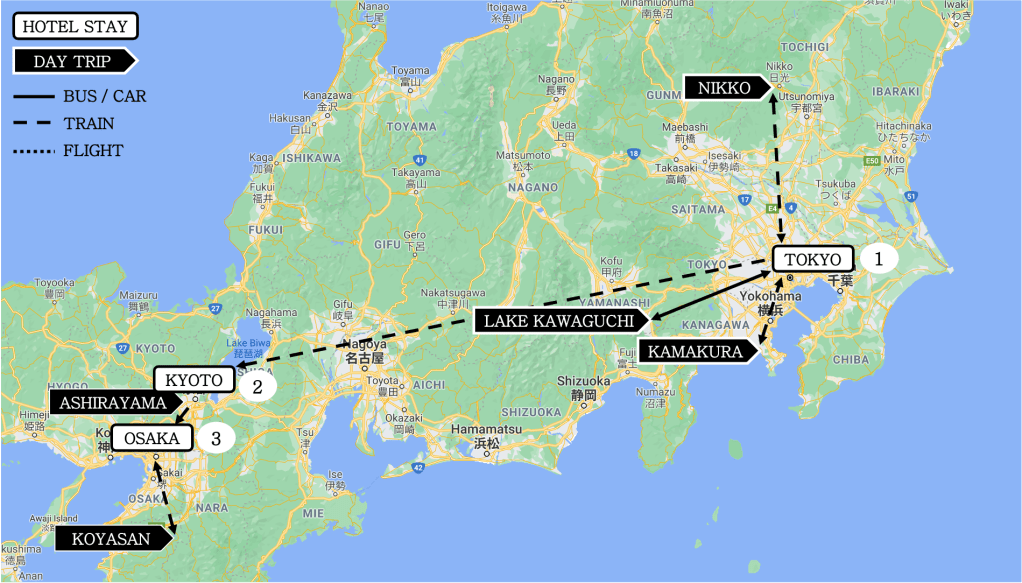
7 days – Tokyo and around
3 days – Kyoto and around
4 days – Osaka and around
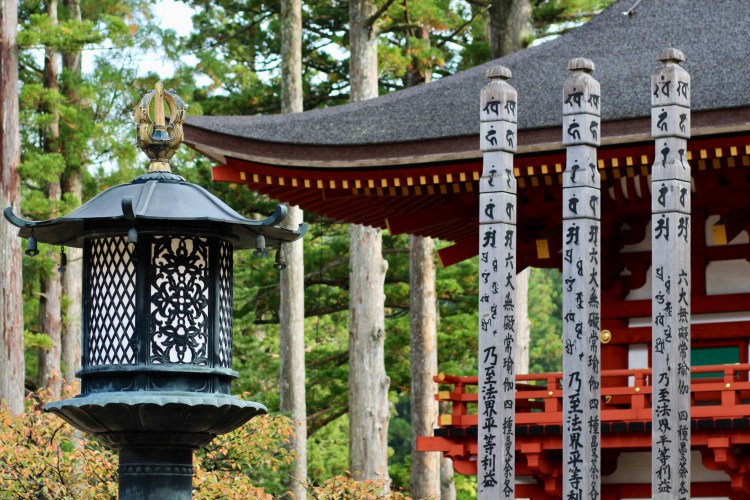
Welcome to our travel article on Japan, you will find a selection of the most memorable places we have visited during our 2-week travel in October 2018.
When to visit: the most popular time to visit Japan is the cherry blossom season (end of March) and the autumn foliage season (mid-November). For fewer crowds, April-May and September-October are great and have pleasant weather.
Land in Tokyo, leave from Osaka: if you can, fly in and out from different cities, for example Tokyo and Osaka. We saved quite some travelling time and money by not having to go back to Tokyo and not needing the expensive JR train pass.
Travelling with small bags: we recommend travelling with small bags, such as a small suitcase and a backpack (like we did). Hotel rooms in Japan are very small, especially in Tokyo: it will be difficult to open your big suitcase, never mind two.
Hotels with free cancellation: due to the unpredictable natural events that can occur in Japan, it’s strongly advised to book hotels with free cancellation. We had to change some hotels that got affected by a typhoon on our first night.
Walking and cycling: we mostly walk when exploring a new city. It’s a nice way to exercise and get an impression of the local life (tip: bring comfortable shoes!). We cycled in Kyoto and around the lake Kawaguchi, but not in the busy Tokyo. Public transports were clean, on time and easy to find.
7 DAYS
TOKYO AND AROUND
We stayed 7 nights in Tokyo and made some day trips from there. Every day, we alternated between a visit of Tokyo and a day trip in the country side. With Tokyo visits, we enjoyed a slower rhythm and spent minimal time in transportation. With day trips, we got to discover beautiful temples and nature sites, and loved the contrast with the buzzing and modern Tokyo.
Tokyo day visit
TOKYO
ASAKUSA
Senso-ji Temple
Tokyo National Museum
Tokyo Skytree Tower
SENSO-JI TEMPLE
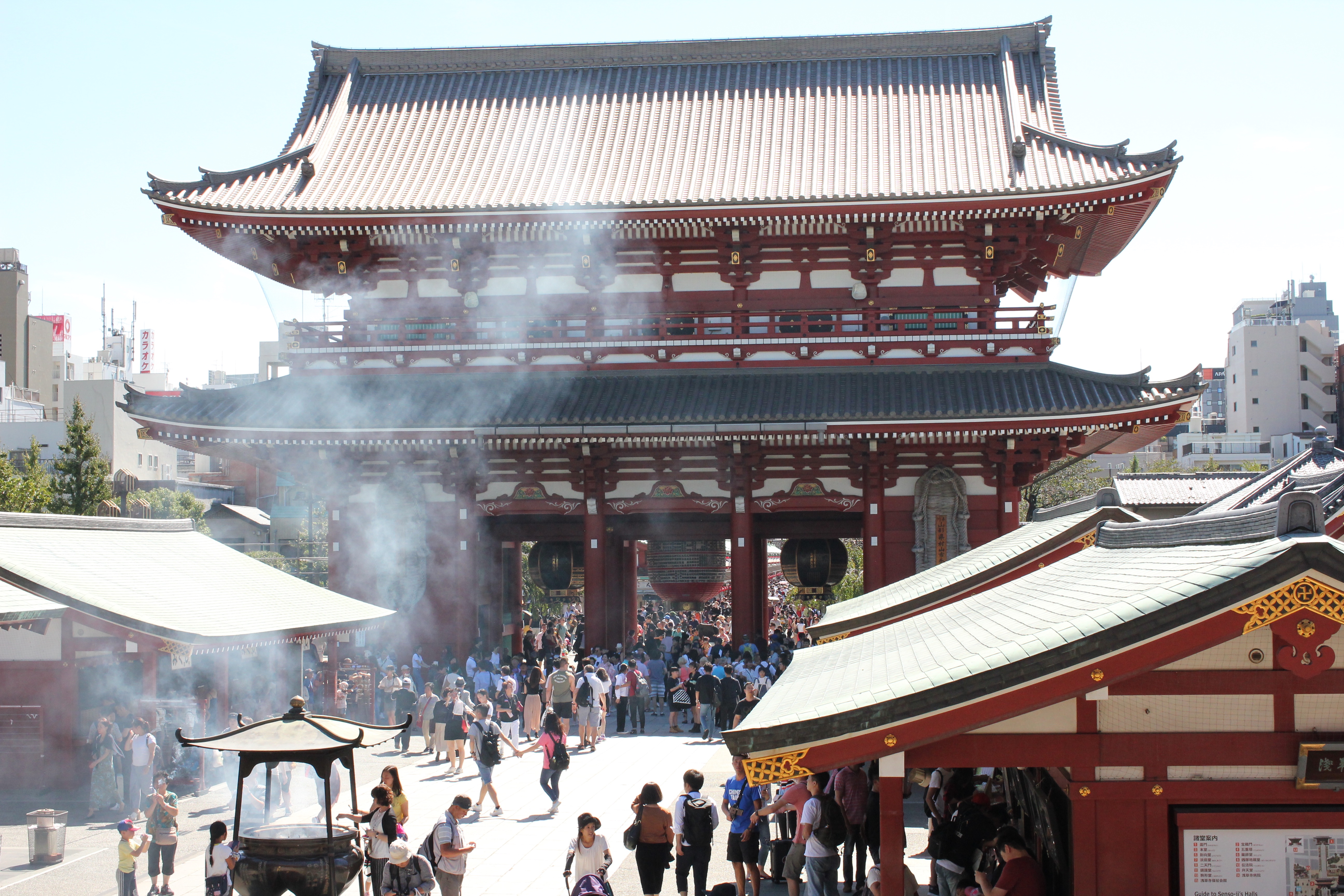
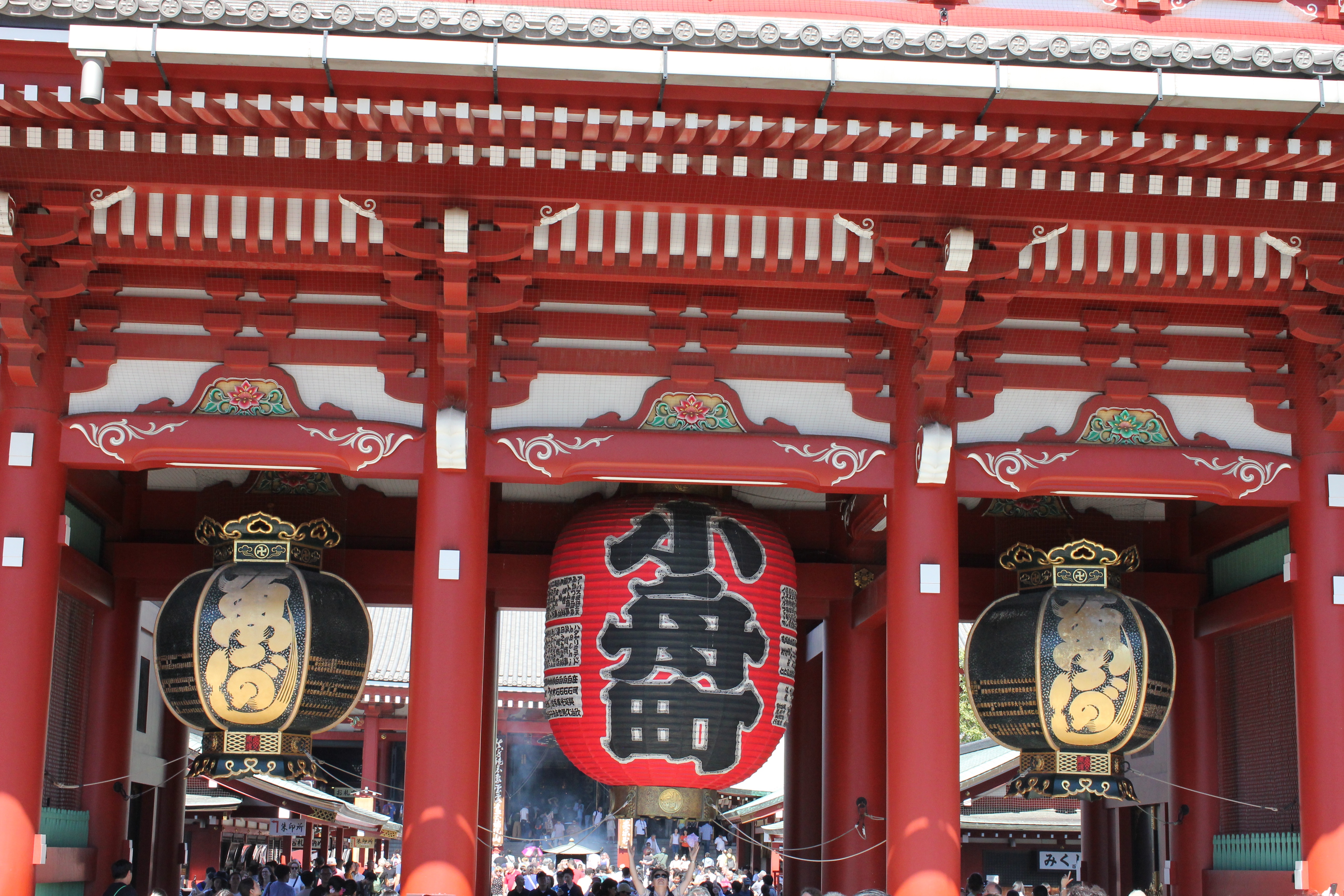
We took the metro to Asakusa Station to visit Sensō-ji, Tokyo’s oldest Buddhist temple (645 AD). It is the most widely visited spiritual site in the world with over 30 million visitors annually. Its beauty makes a visit definitely worthwhile (more information on Japan Guide – Senso ji)
After visiting Senso-ji, we walked to Kurameo retro district where we discover local arts and crafts shops. We had a delicious coffee and cake at « Coffee Nova ».
TIP: try to visit this temple at opening time to avoid the crowds. We visited it at lunch time and it was quite busy.
TOKYO NATIONAL MUSEUM
Tokyo National Museum is located in the Uneo Park, 30 minutes by foot from Senso-Ji. It’s the oldest and biggest museum of Japan, with an impressive collection of Japanese art. More information on Japan Guide – Tokyo National Museum.
TOKYO SKY STREE TOWER
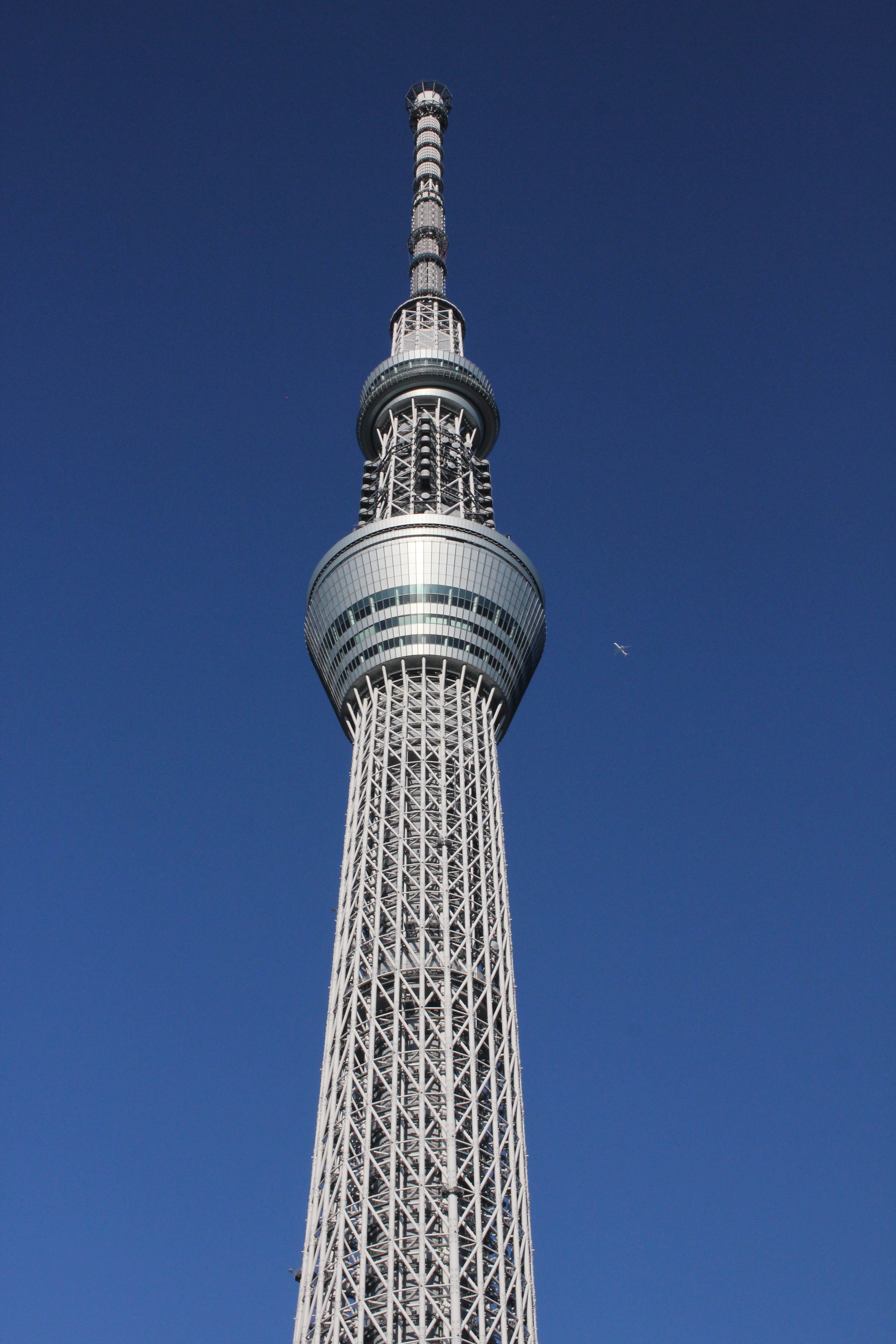
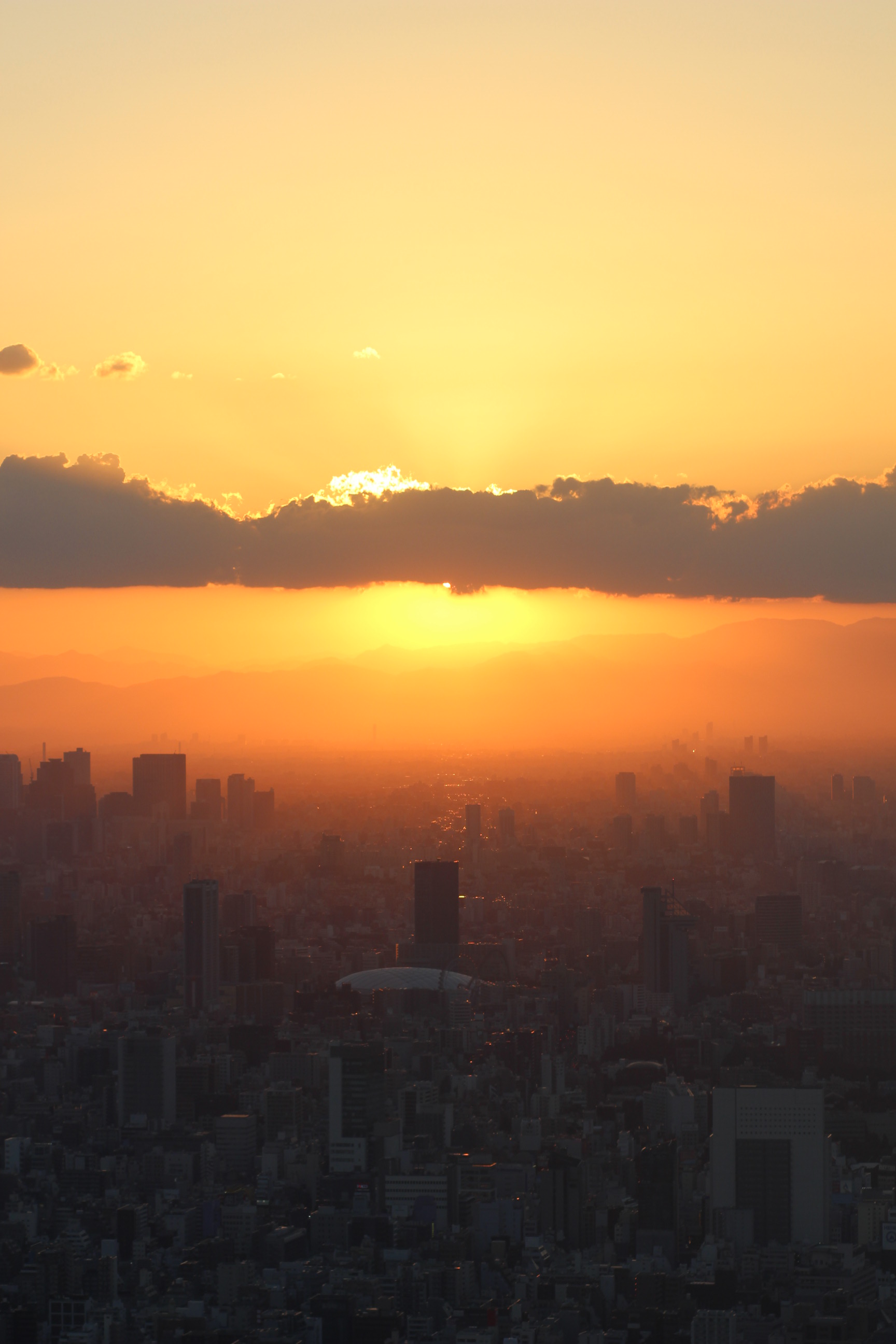
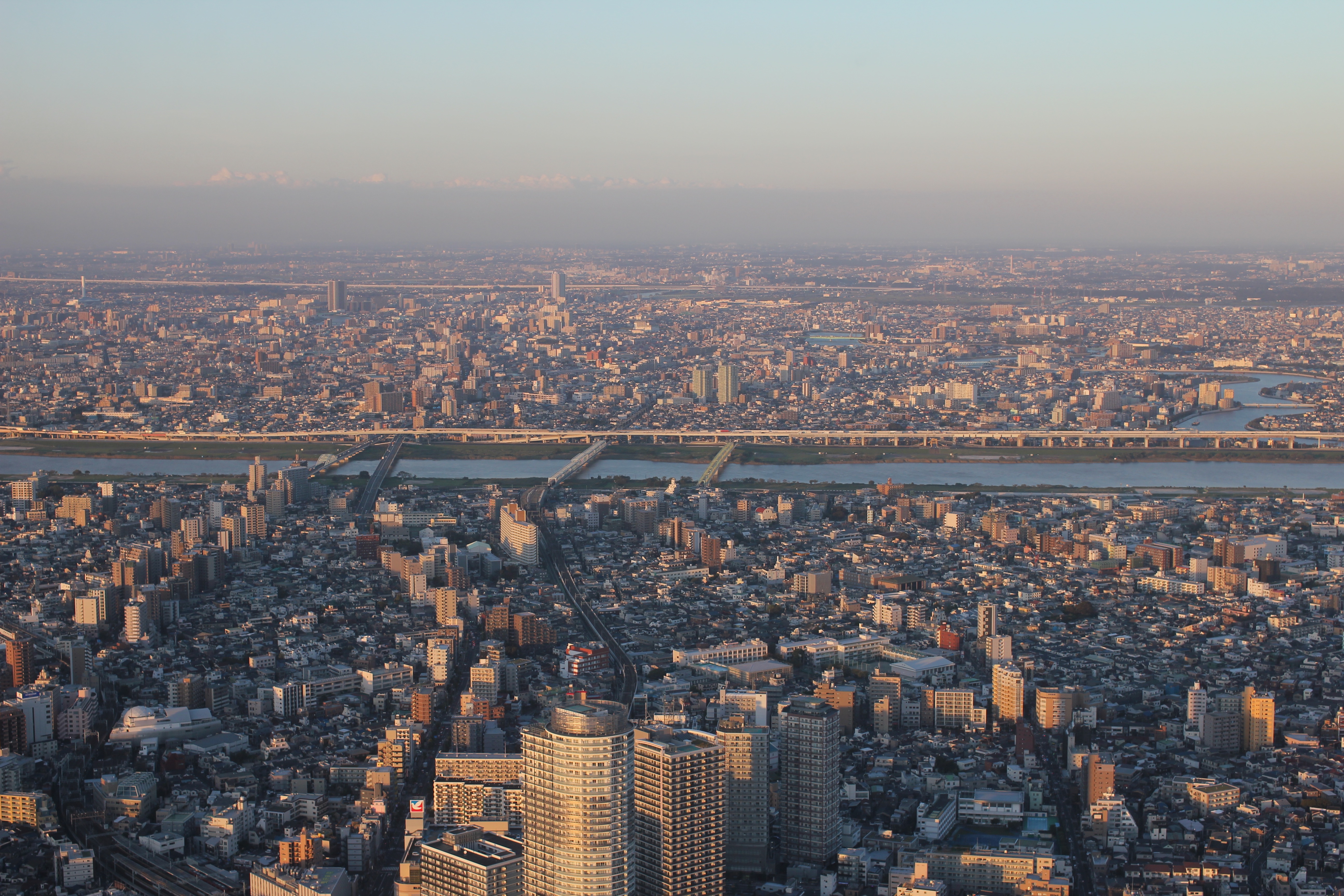
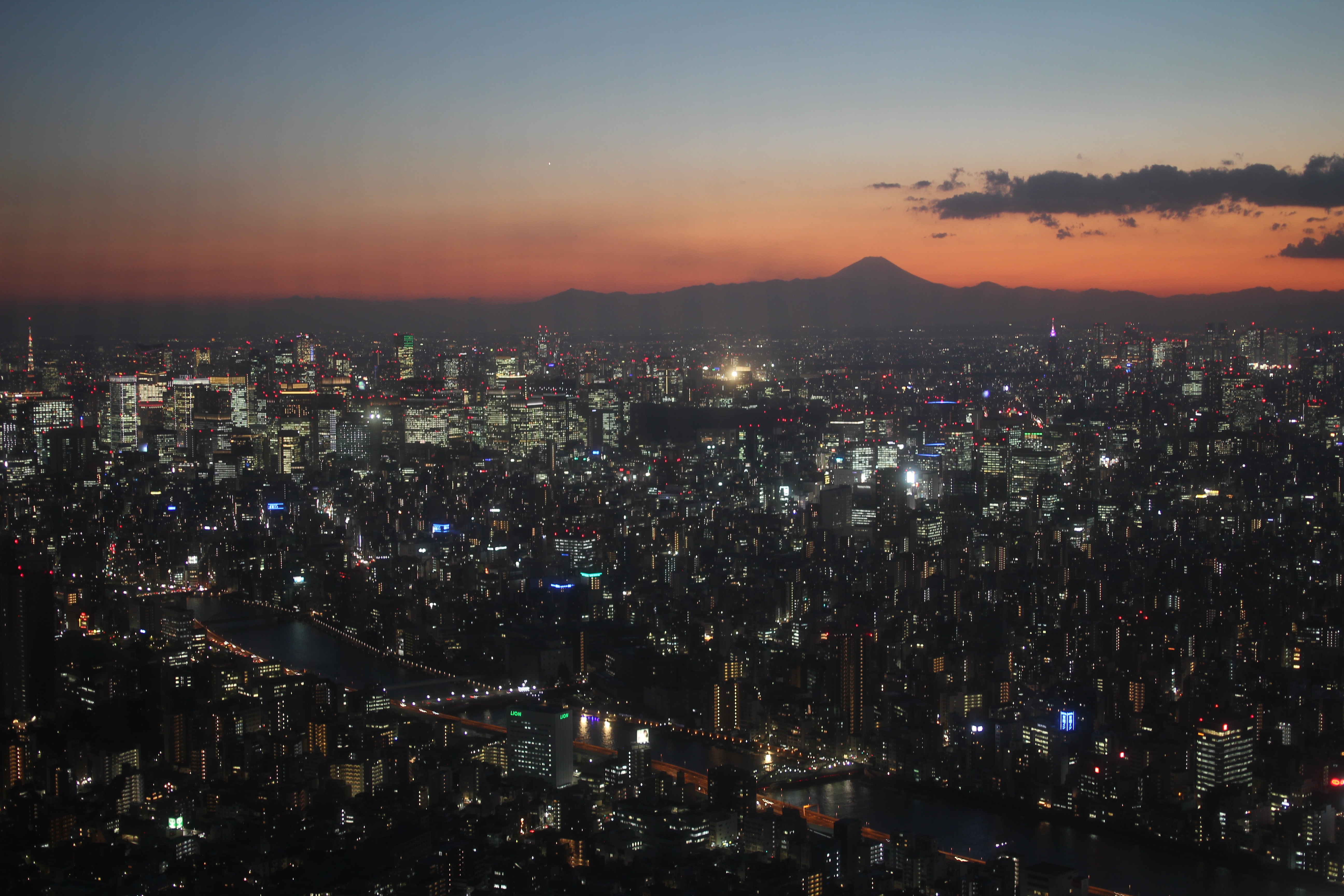
Tokyo Skytree is around 45 minutes by foot from Tokyo National Museum, or 27 minutes by public transportation (including 17 minutes by foot). When we arrive in a new city, we like to start our visit from the highest view point and get a first impression from above.
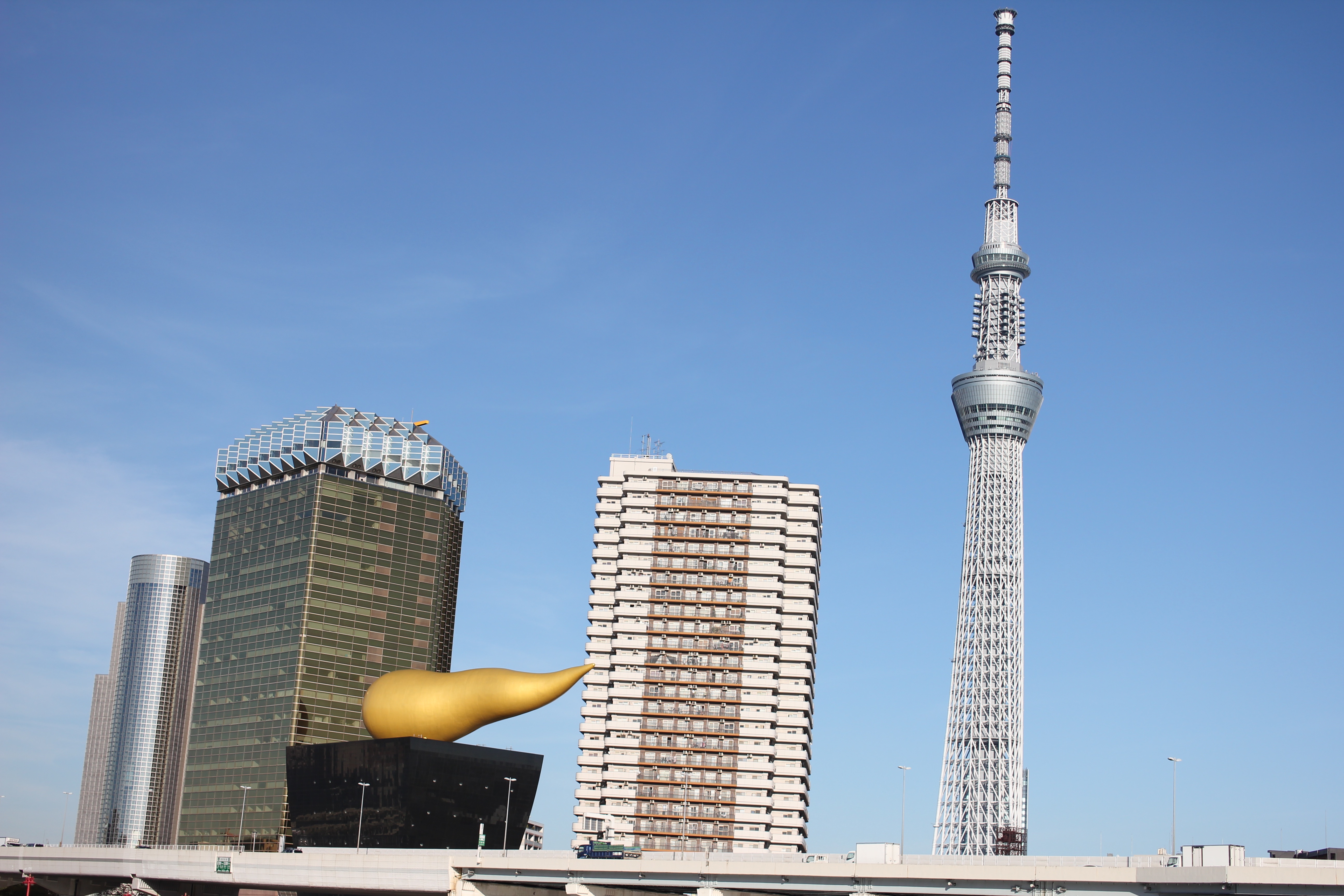
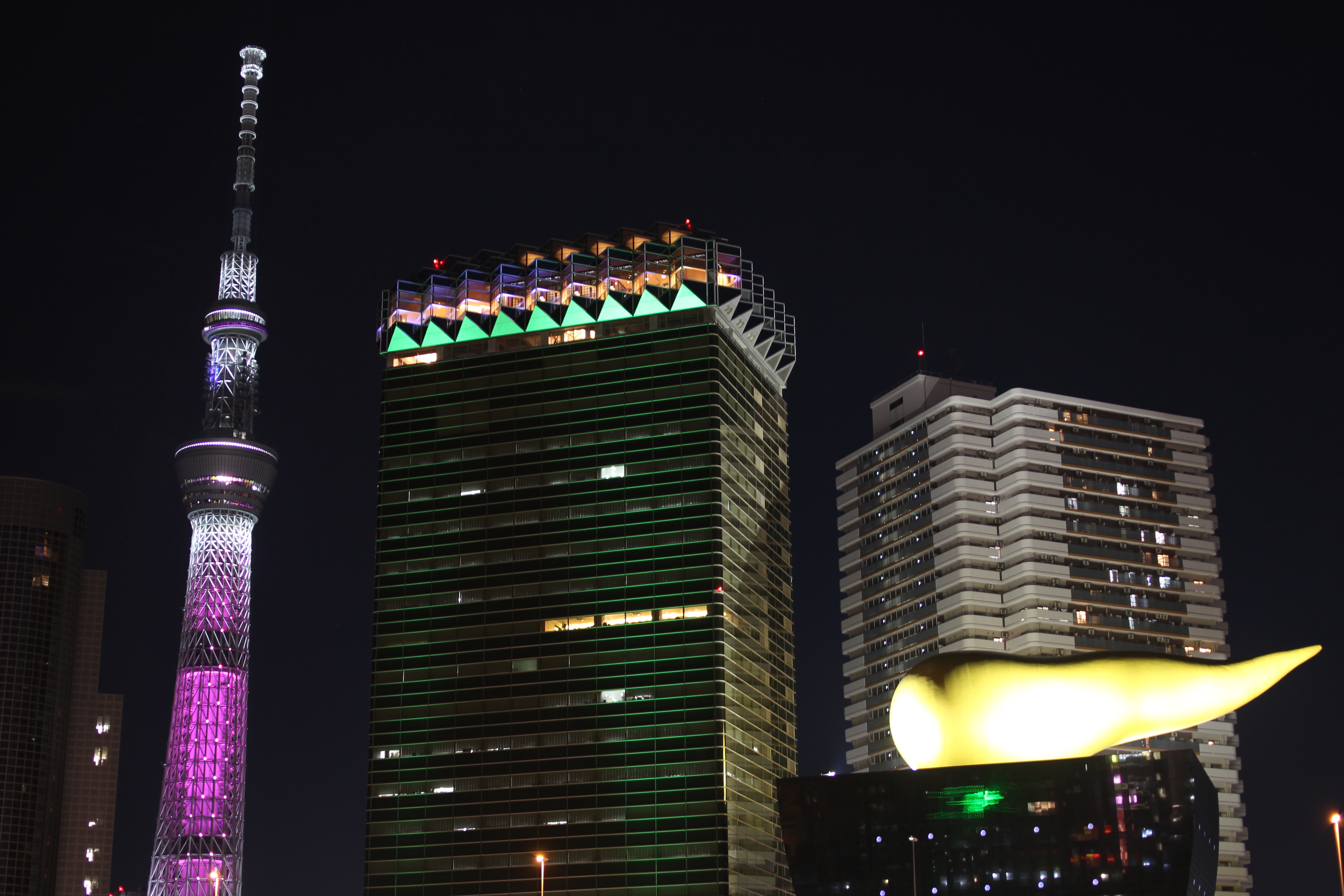
Tokyo Skytree is the world’s tallest tower, with an impressive height reaching 634 meters. It has a 360 glass observation deck where you can enjoy incredible views of Tokyo. With clear skies, you can even spot Mount Fuji in the background. More information on Japan Guide – Tokyo Skytree.
TIP: try to arrive at the tower 1 hour before sunset (it can take time to get to the top if you have queues for the ticket counter and the elevators).



Day trip from Tokyo
KAMAKURA
Kōtoku-in Temple
Hōkoku-ji Temple
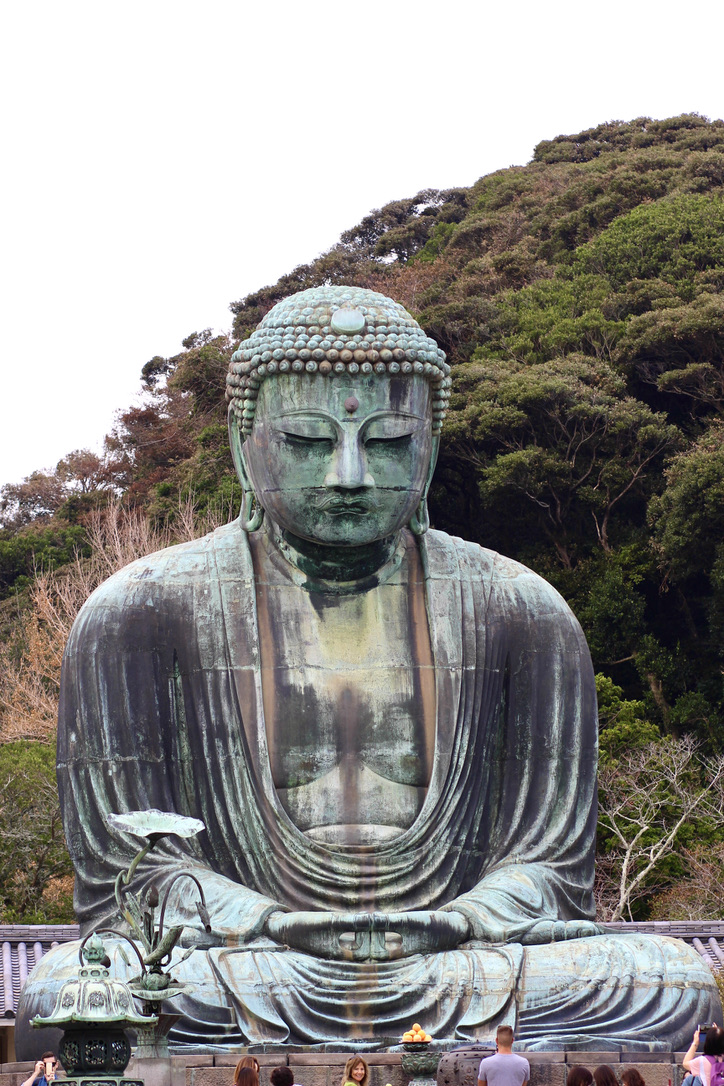
KOTOKU-IN TEMPLE
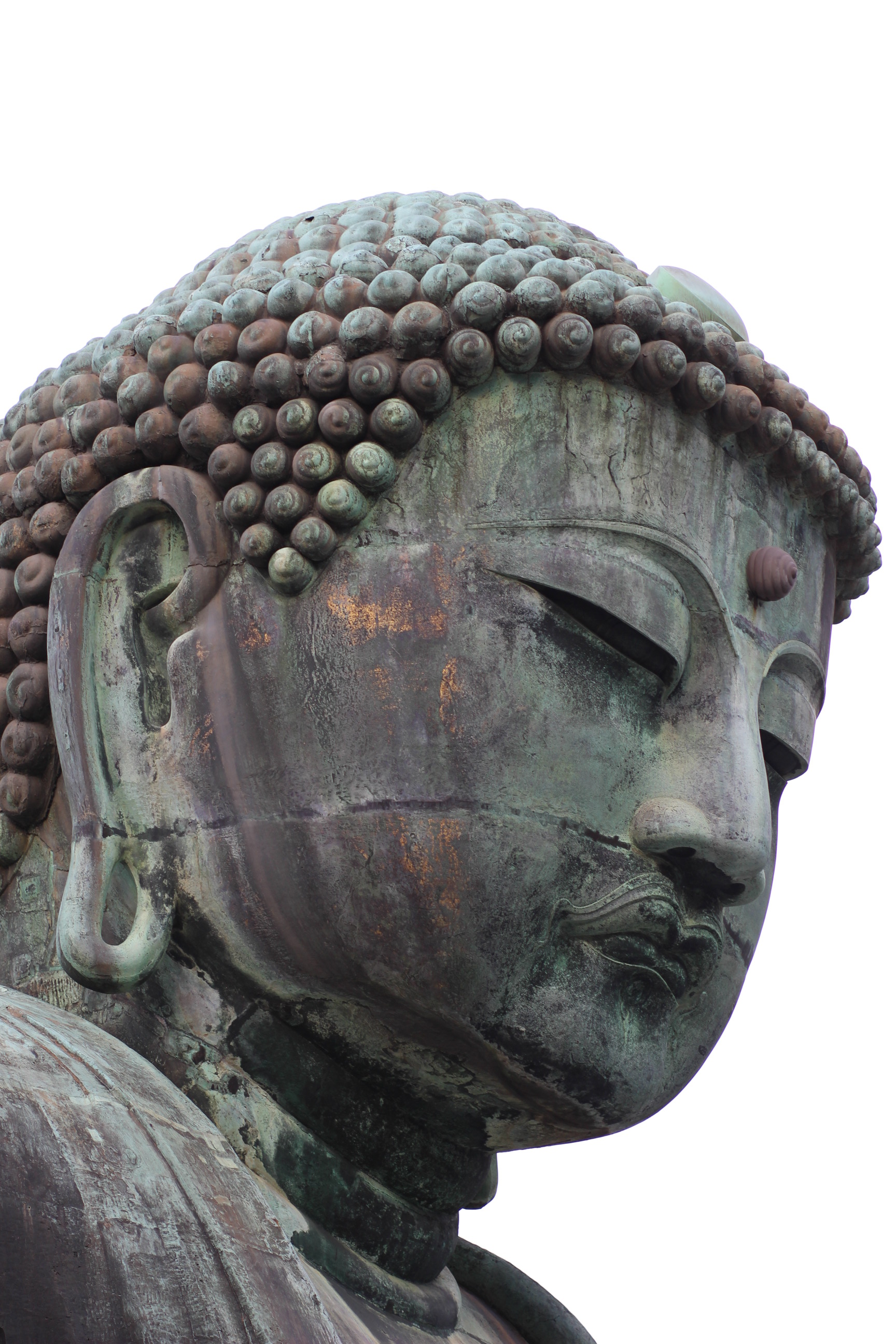
We took the train from Tokyo to Kamakura Station (around 55 mins with the Yokosuka Line) and walked around 20-25 mins to the Kōtoku-in Buddhist temple (it’s also possible to take a bus to get there in 8 minutes).
This temple has a giant bronzed Buddha statue named Kamakura Daitbutsu Buddha (« The Great Buddha of Kamakura »). It dates back from the 13th century and has an impressive height of 11.4 meters (more information on Japan Guide – Kamakura)
HOKOKU-JI TEMPLE
We then walked around 45-50 minutes towards the Hōkoku-ji Temple, our next stop. You can also take 2 buses with a switch at Kamakura station to get there in 30 minutes.
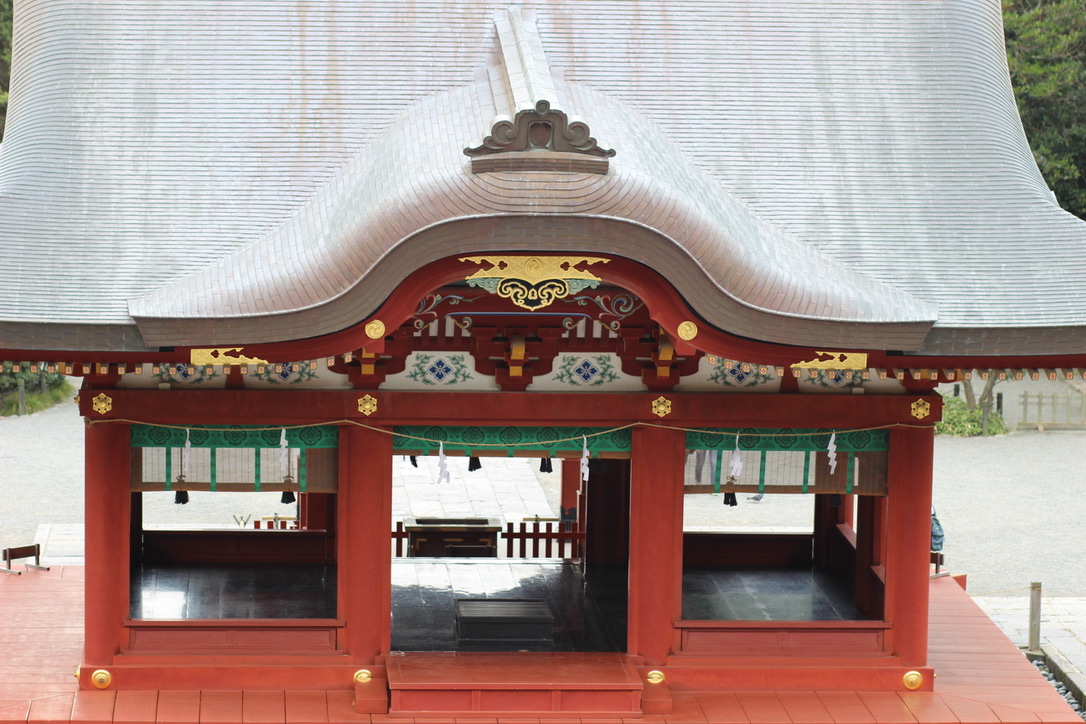
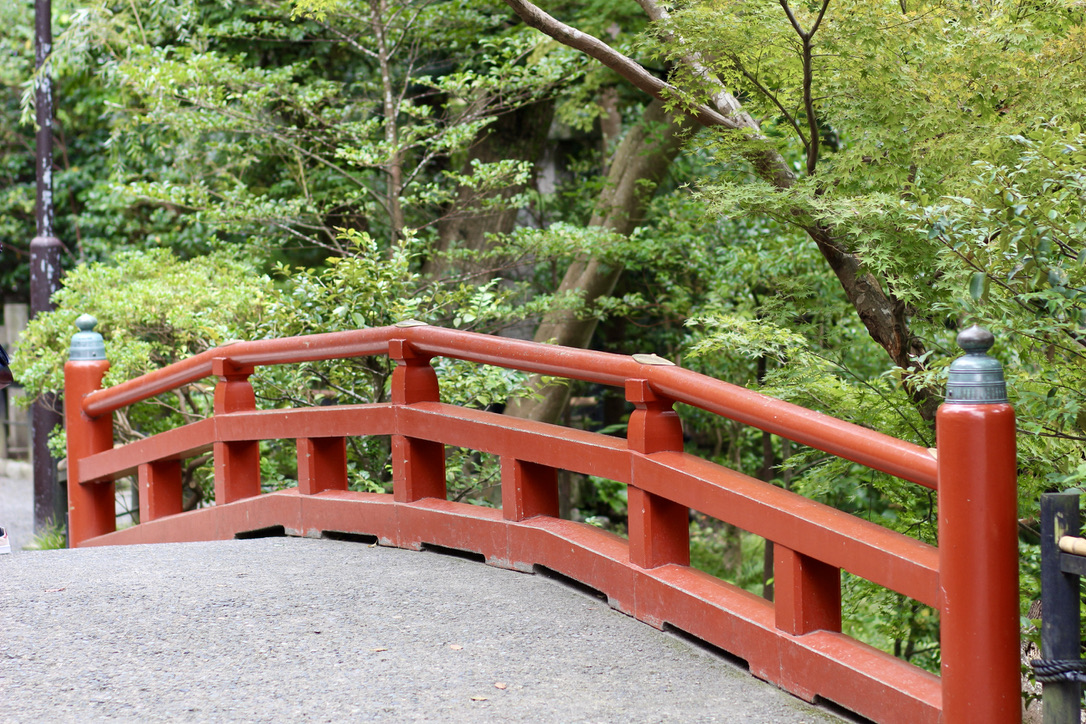
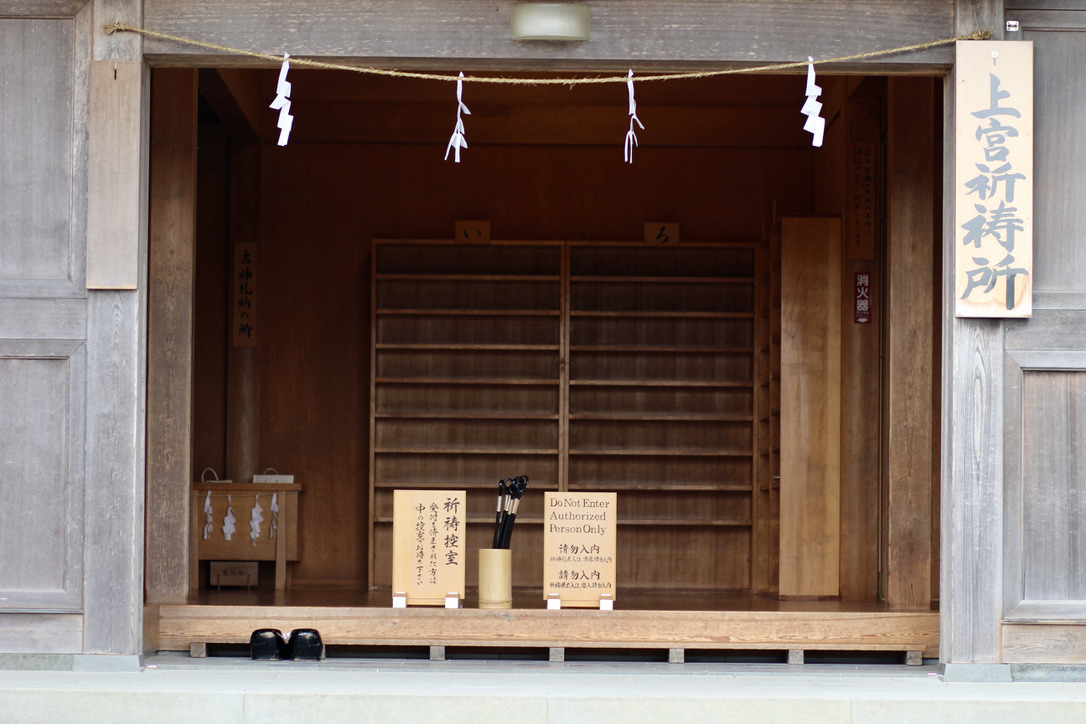
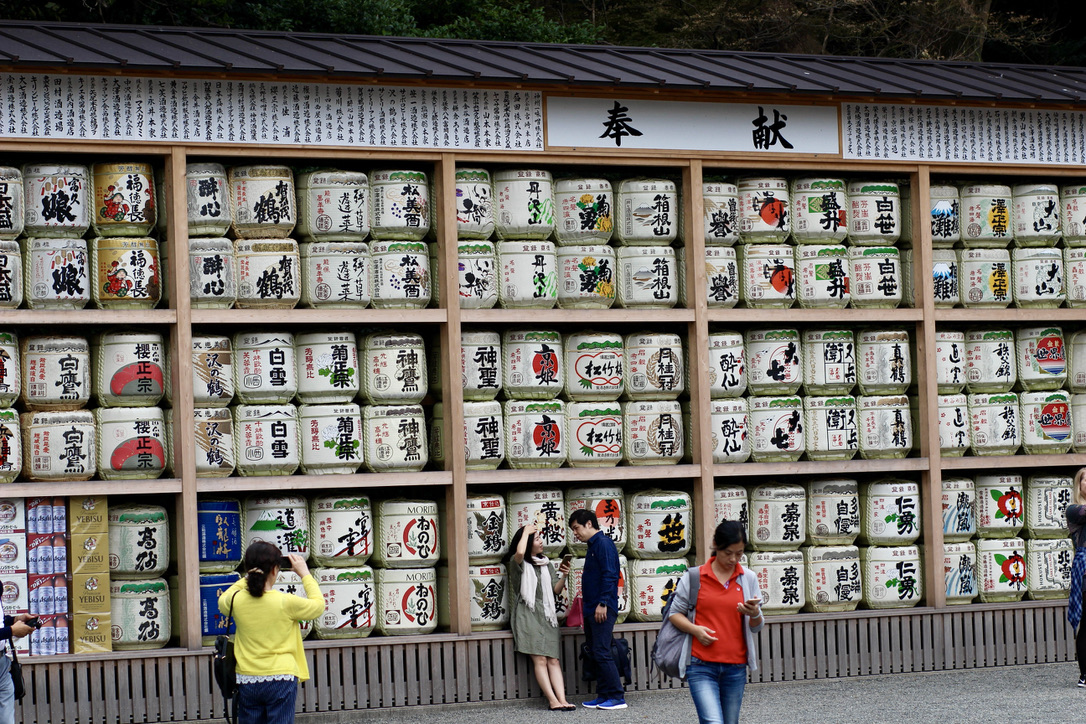
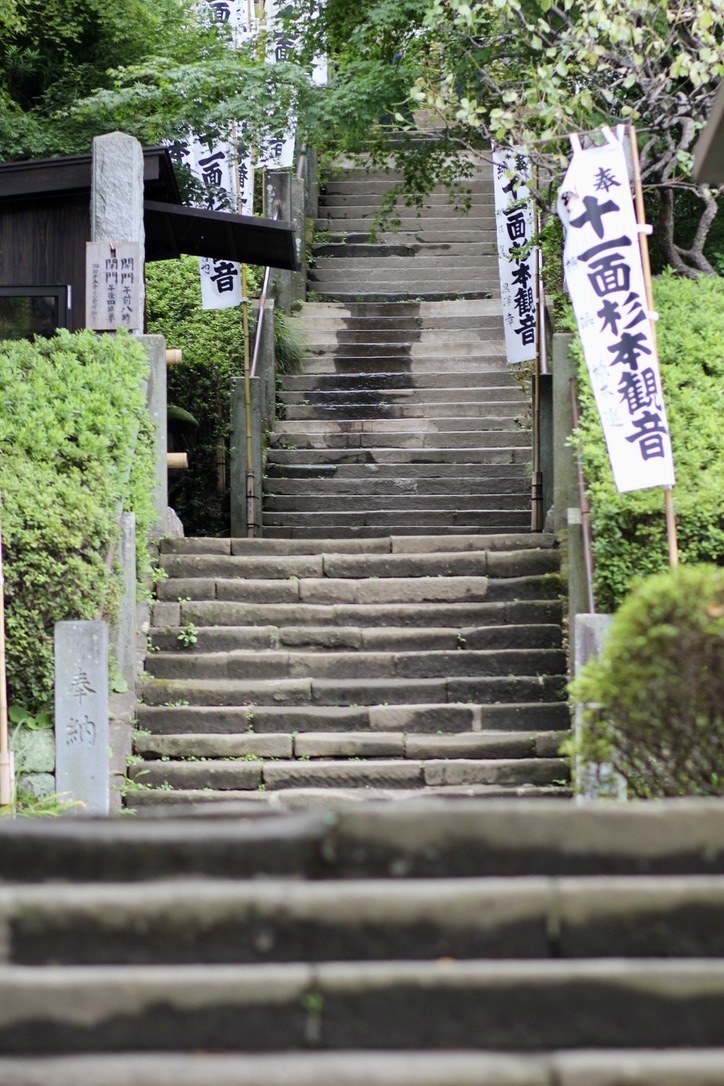
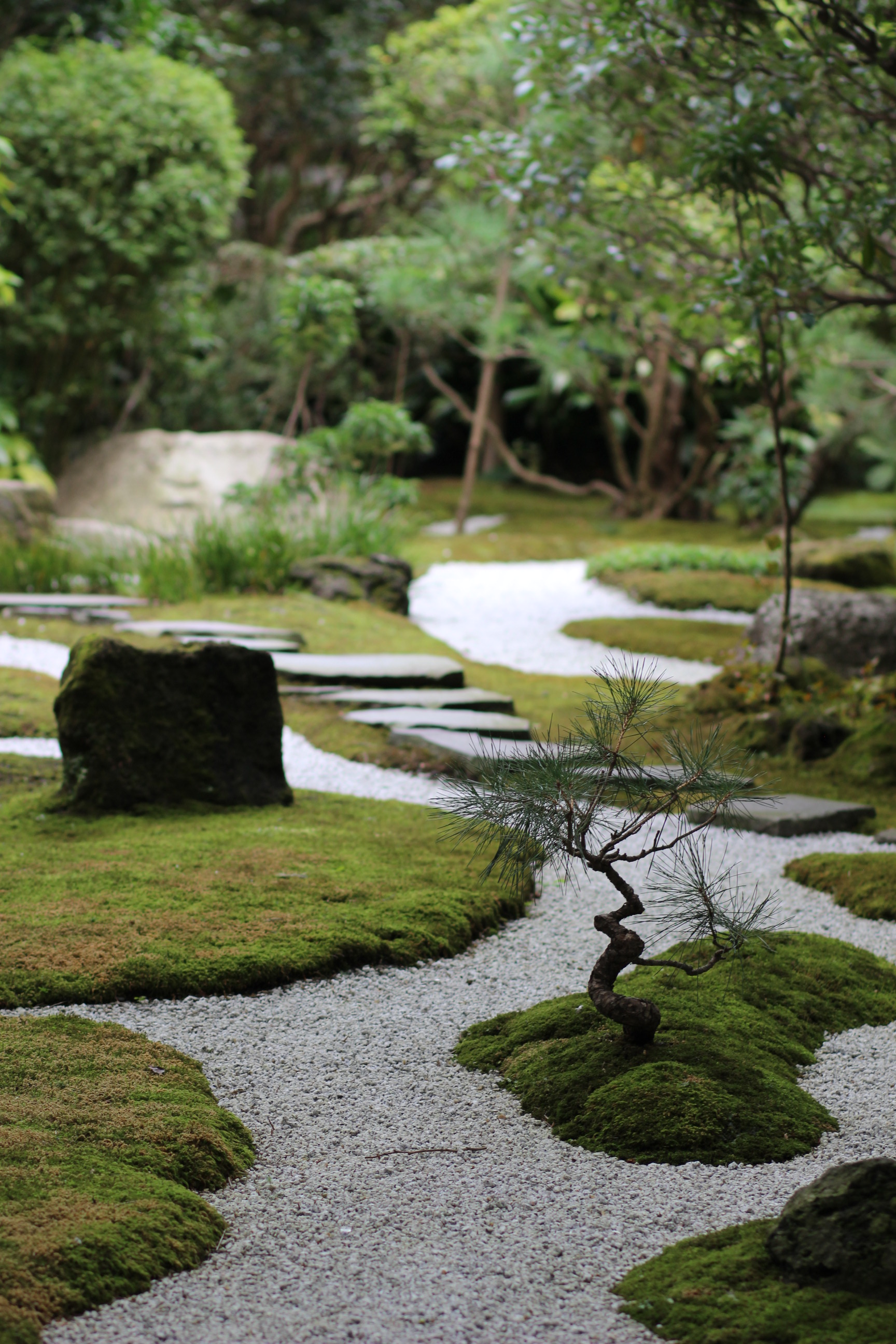
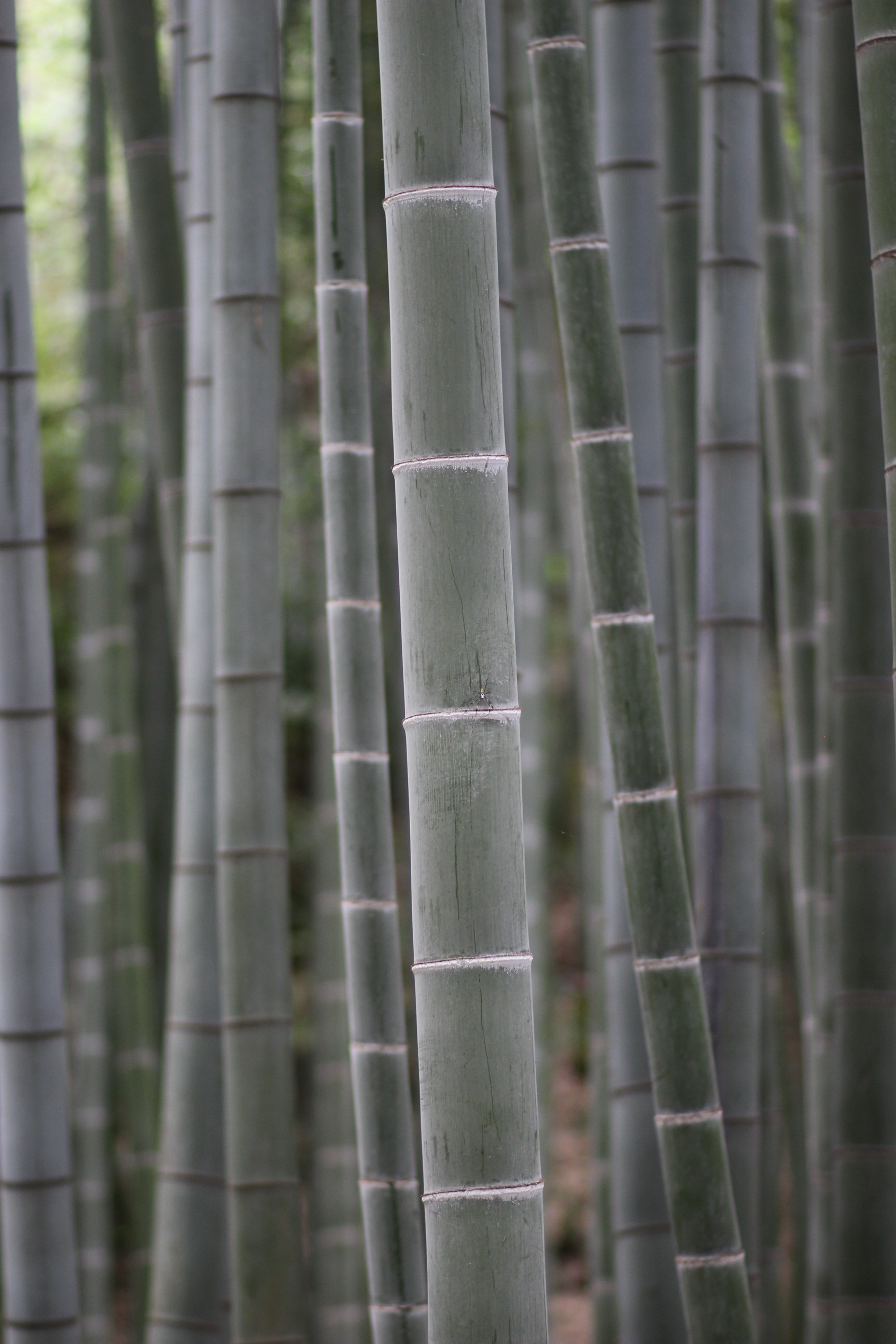
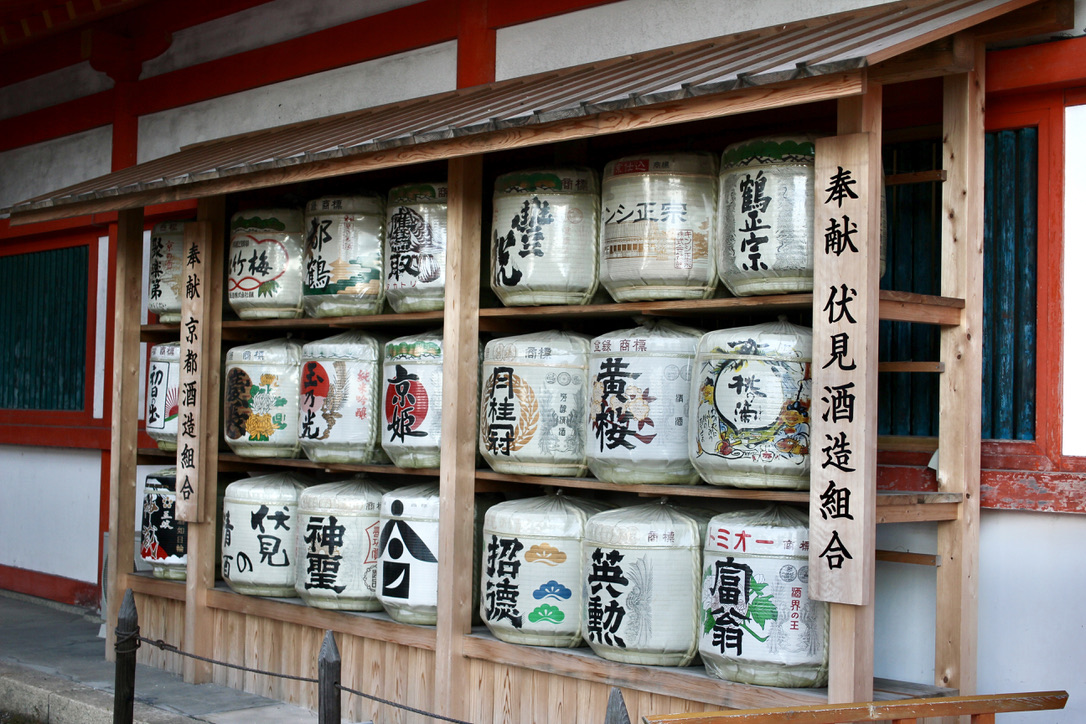
This site is full of wonderful discoveries: pretty ponds and red bridges, funny-shaped trees, a big wall of sake barrels, gorgeous gardens mixing stones, sand and moss, long ancient stairs and an intimate bamboo grove with a tea house. We loved the zen atmosphere of that place. There were no crowds so we could enjoy its beauty in a soothing silence.
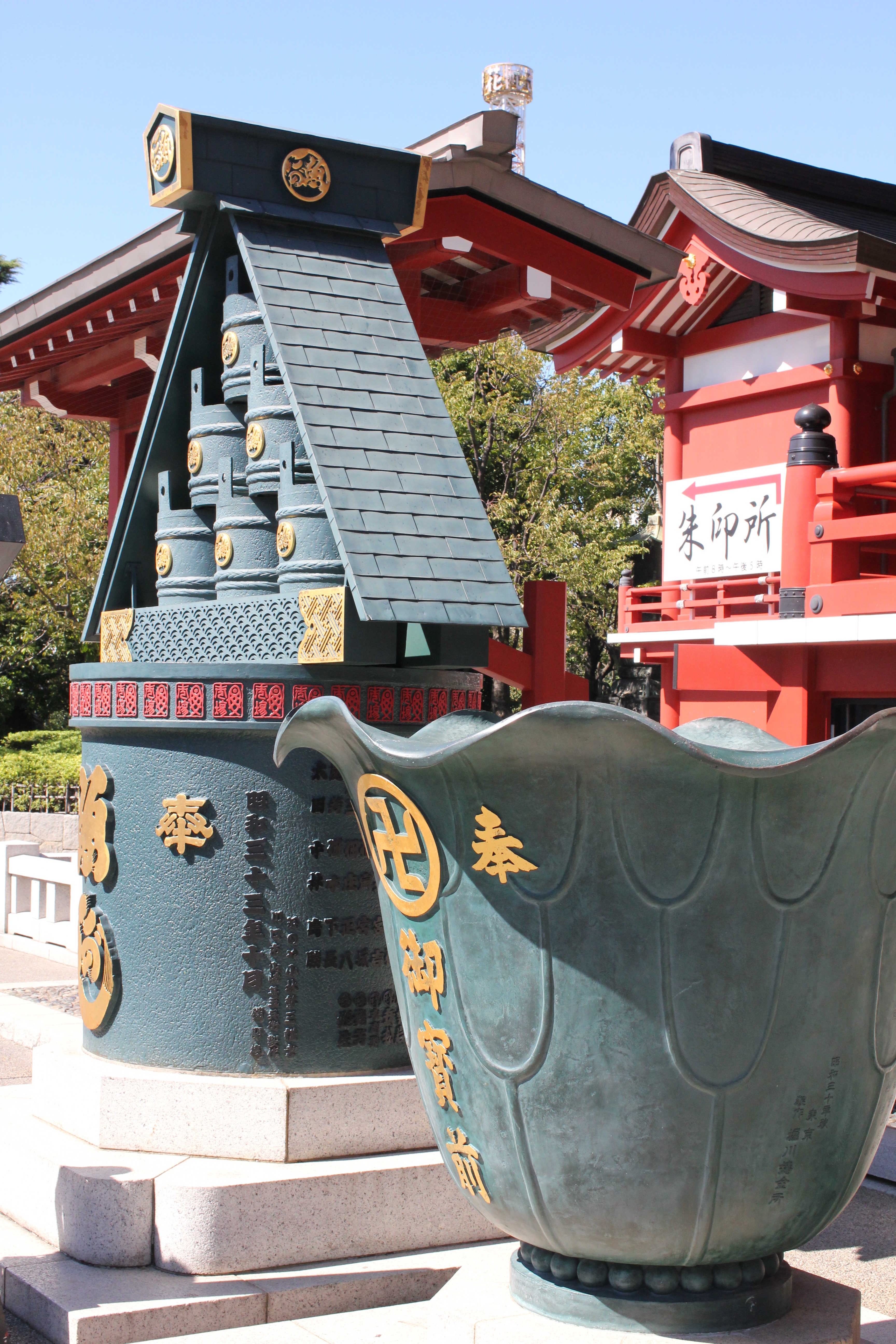
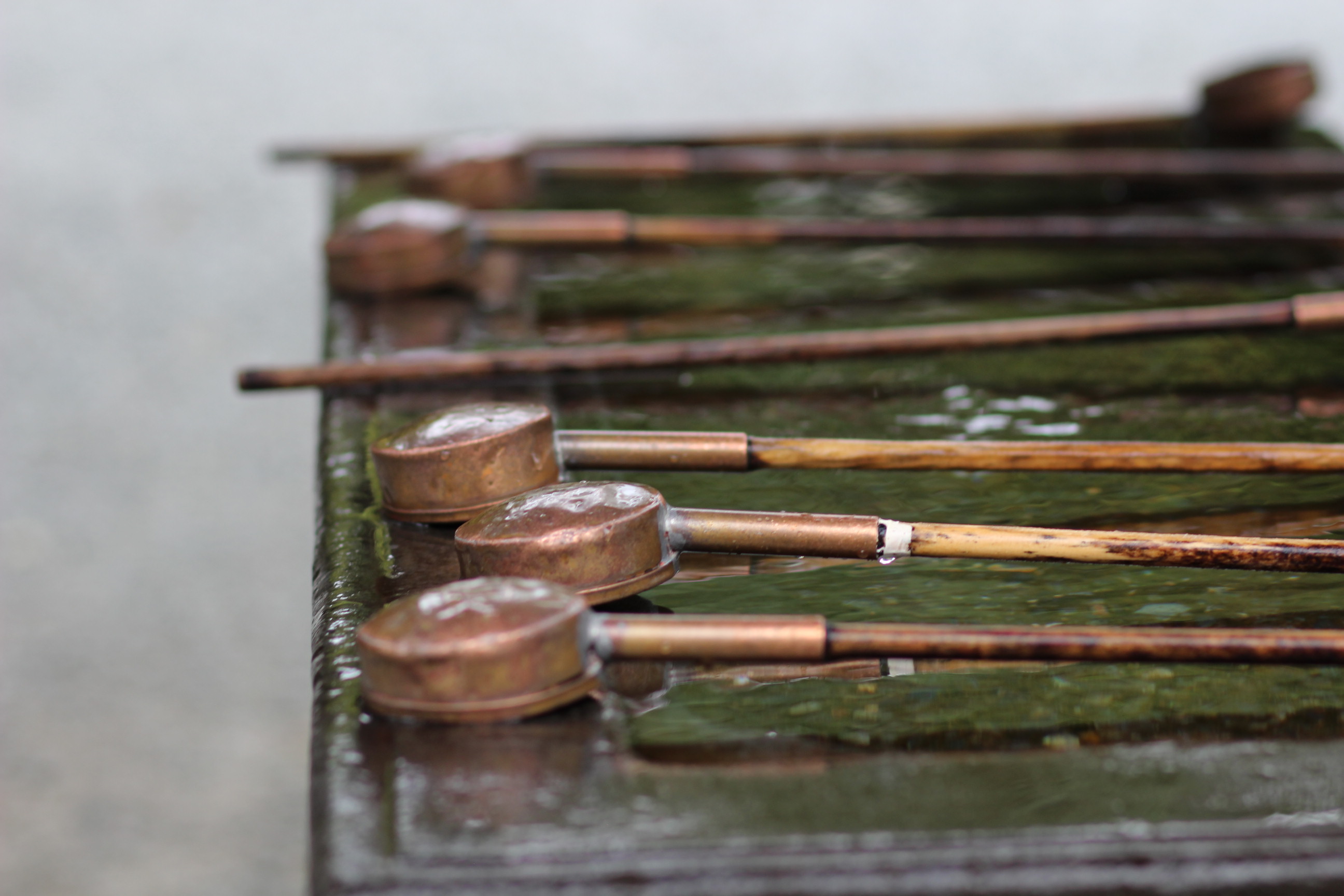
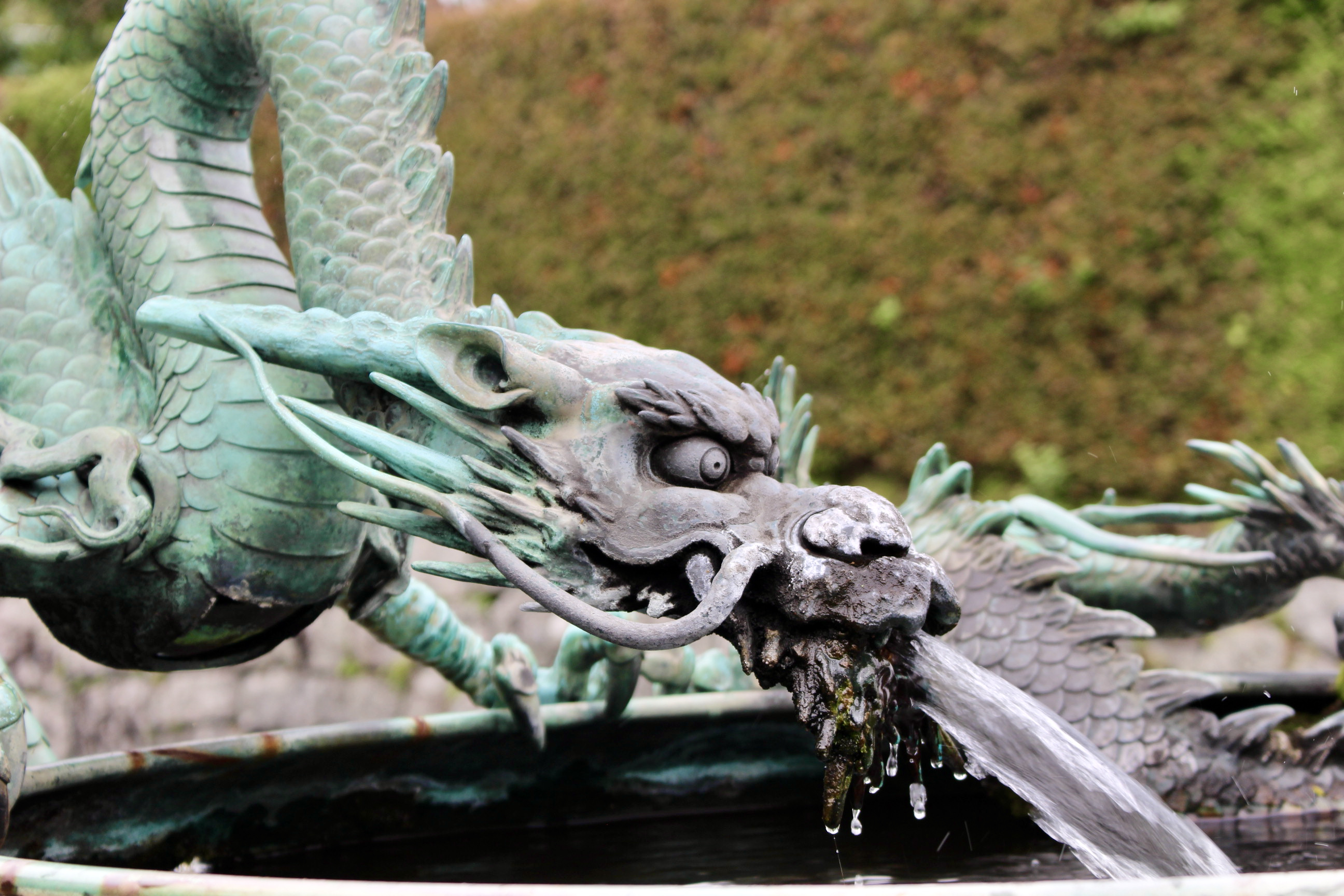
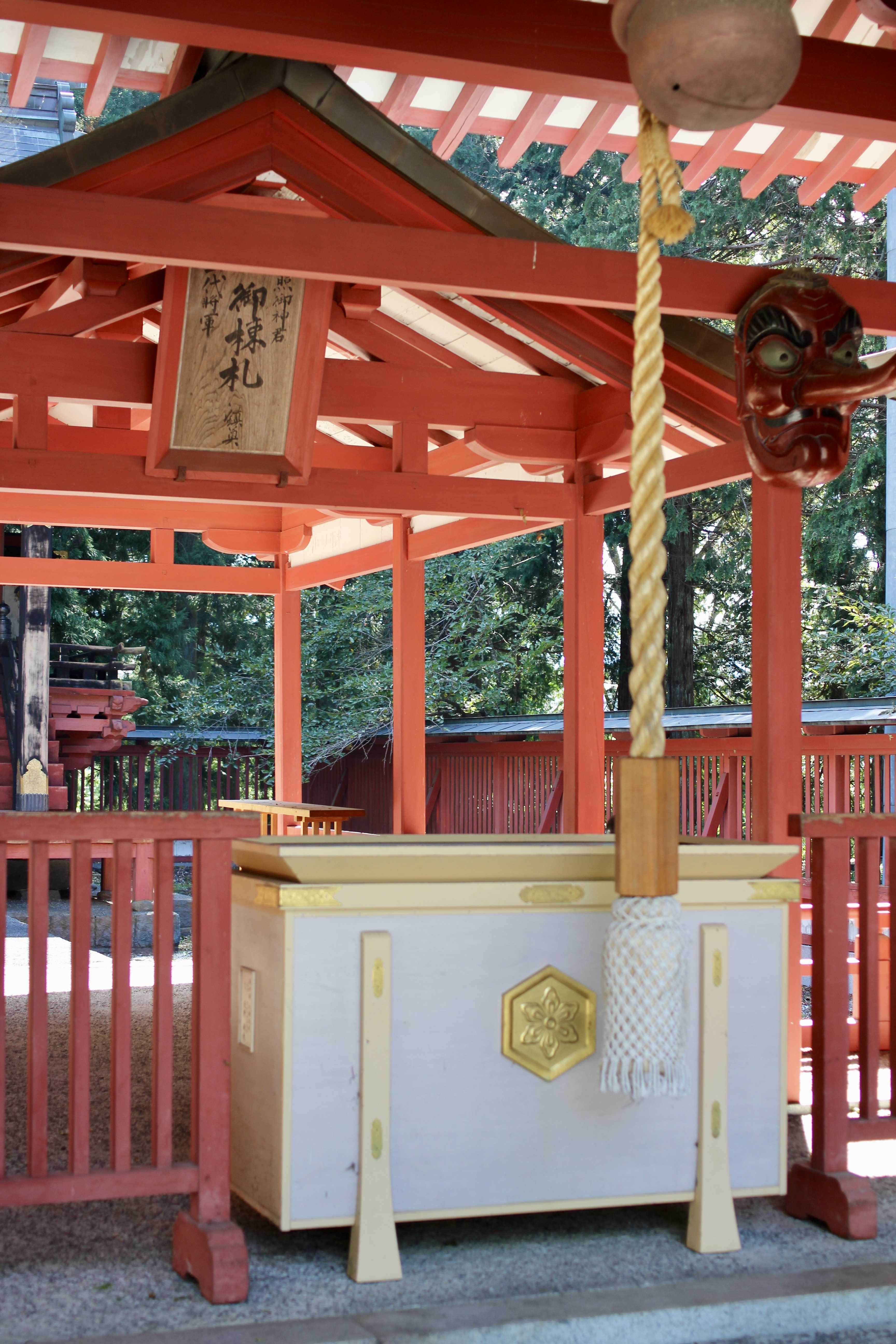
NB. The big metal spoons that you can see in the pictures are used by locals for purification rituals (more information on how to visit temples and shrines from the Japan Guide).
TIP: try a cup of Matcha tea, a delicious Japanese green tea, in the tea house of the bamboo grove for a peaceful break.

Tokyo day visit
TOKYO
SHINJUKU
Shinjuku Gyoen Park
Shinjuku District
SHINJUKU GYOEN PARK
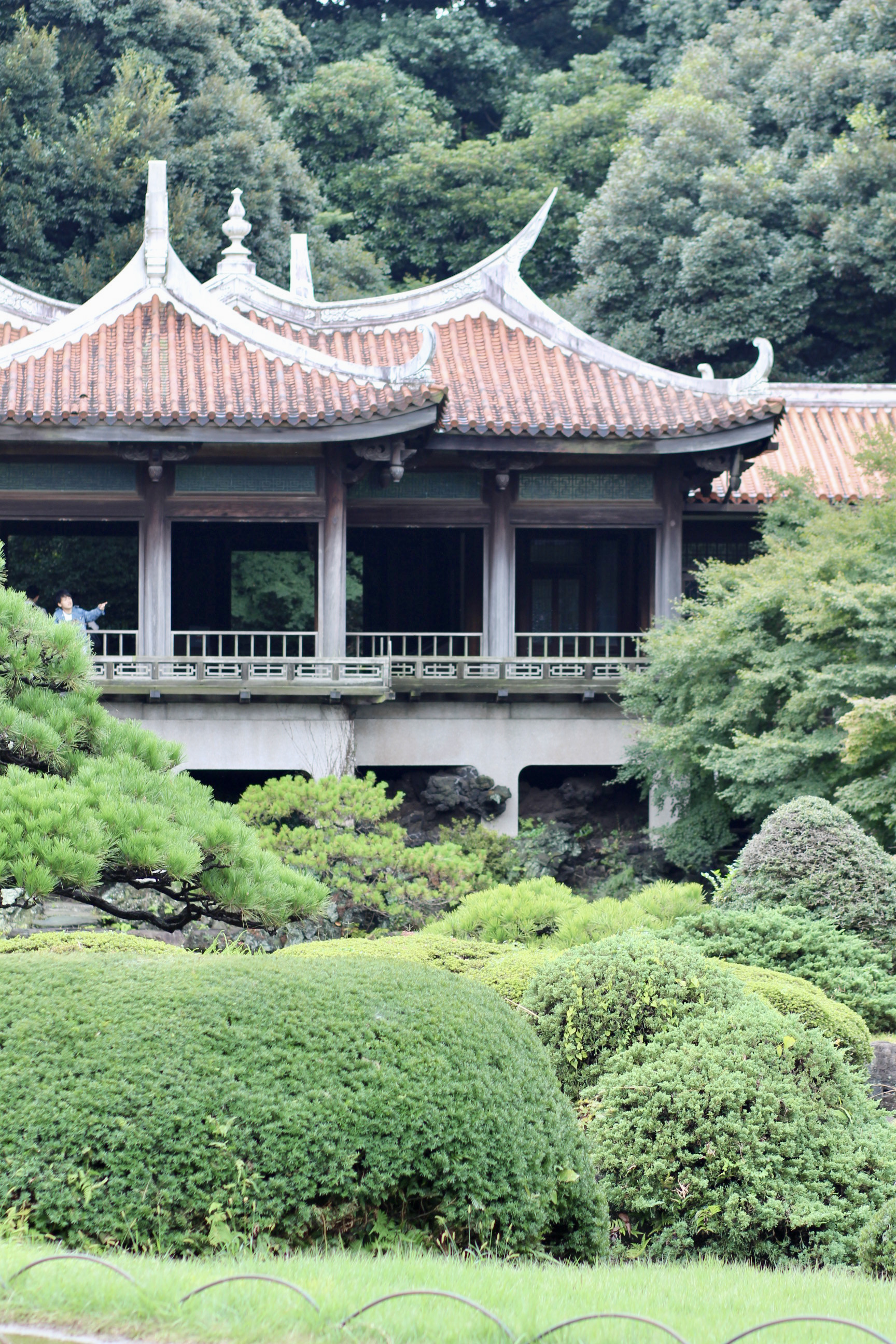
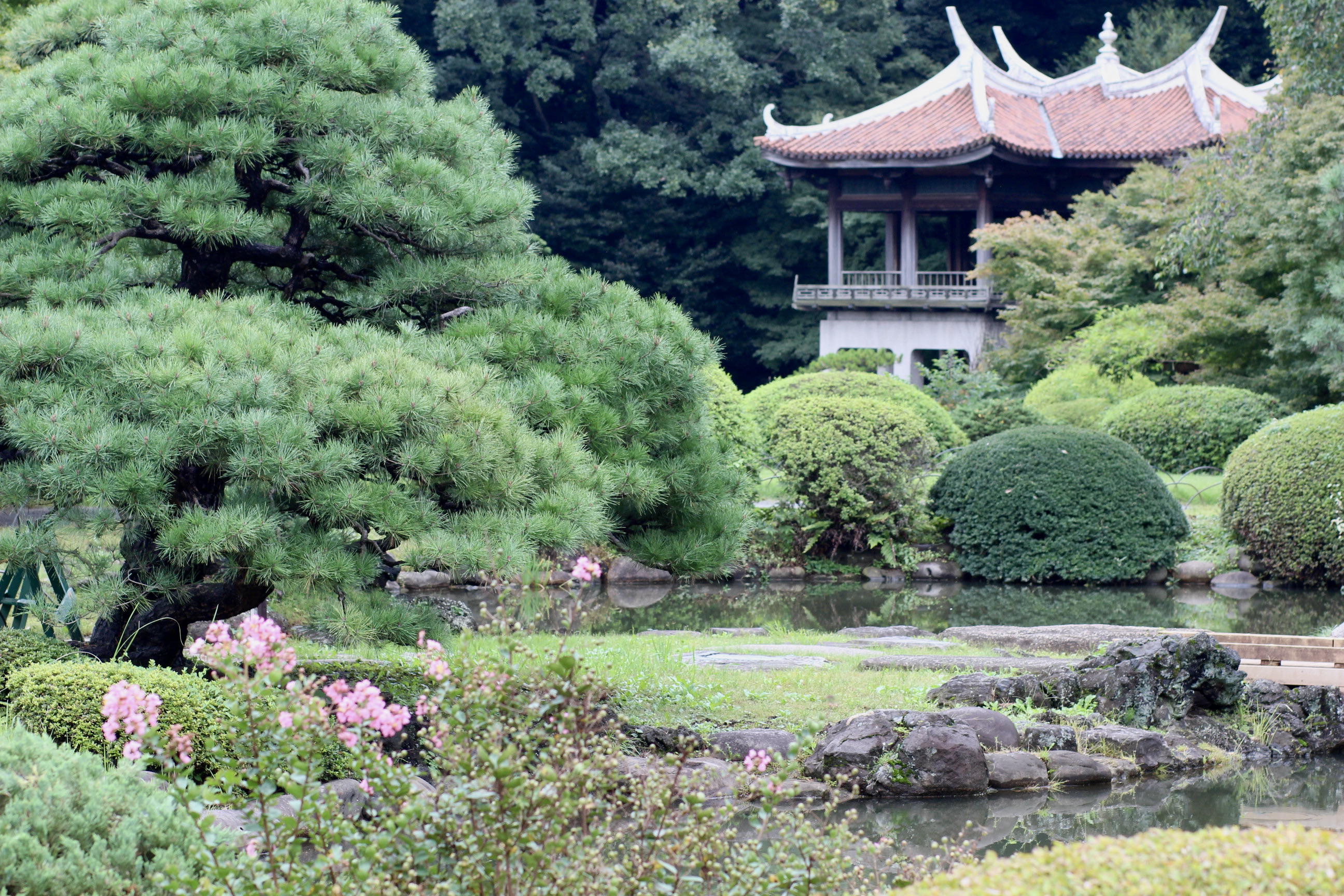
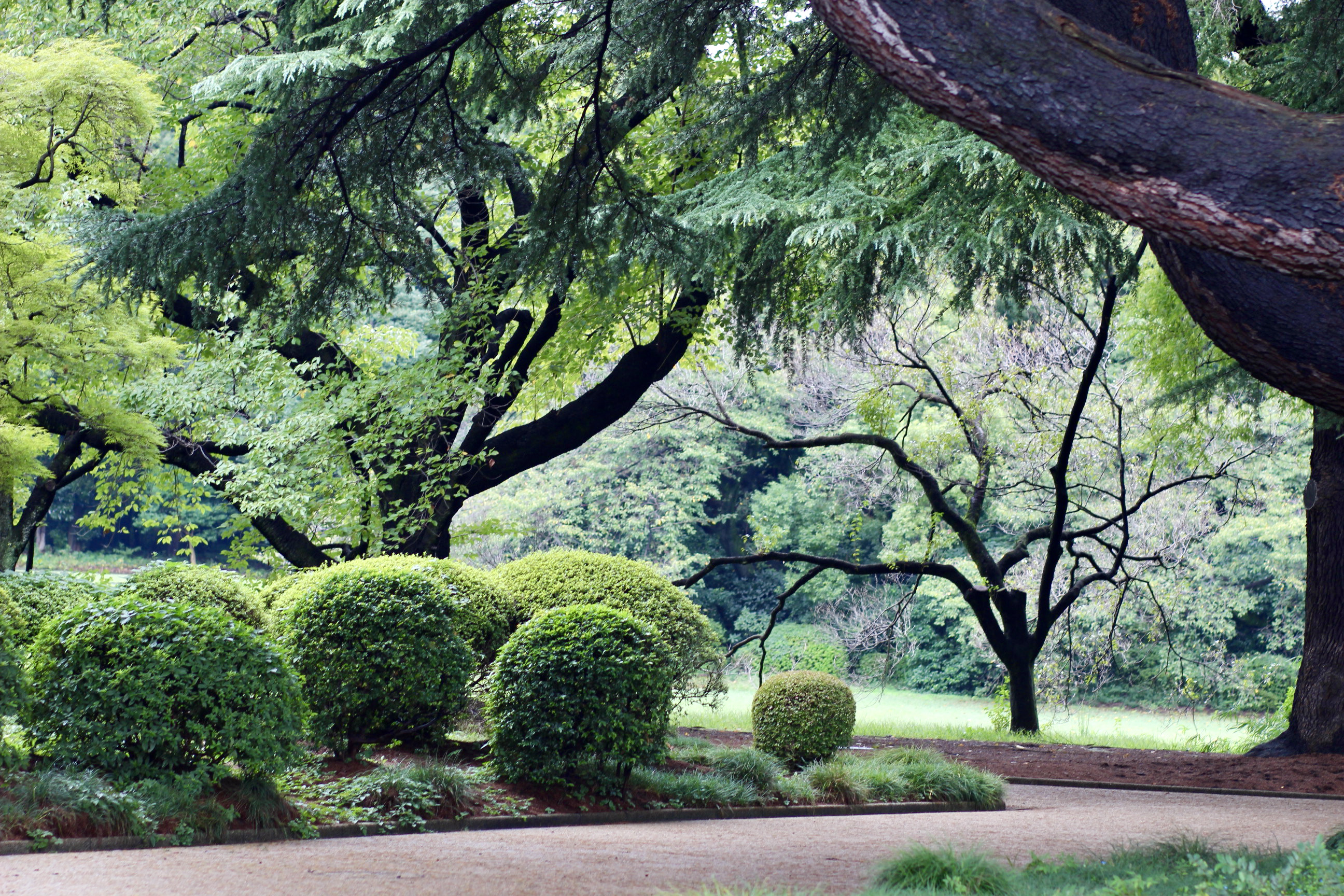
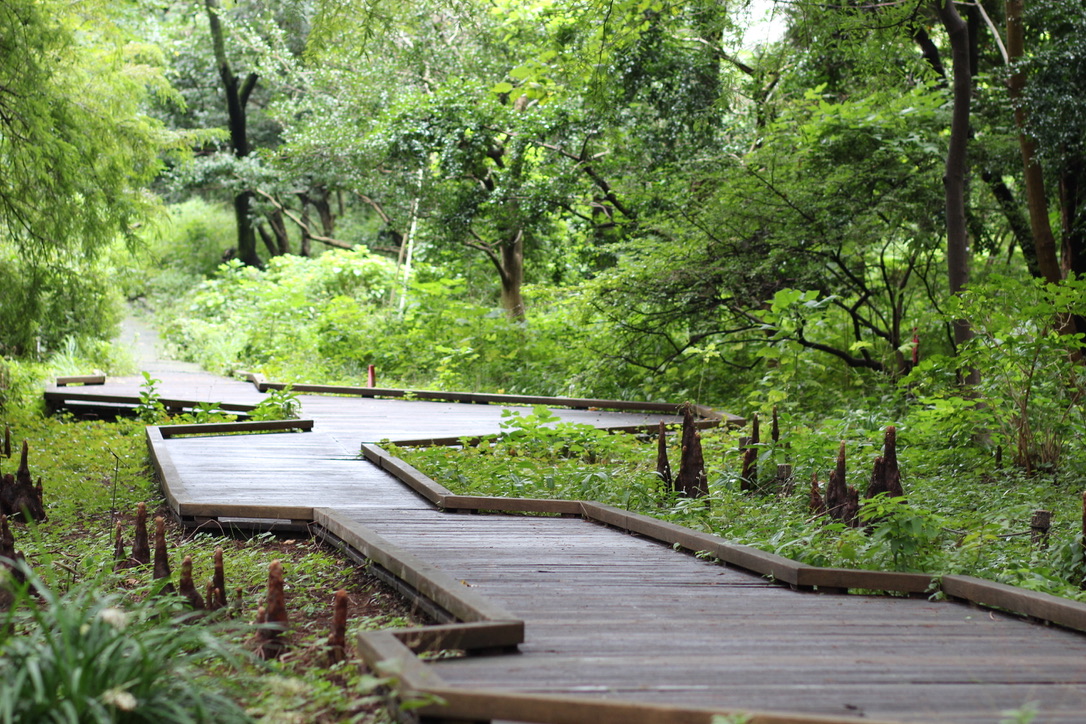
Shinjuku Gyoen Park is a charming paid garden, located 10 minutes by foot from Shinjuku Station. It’s the perfect way to take a relaxing nature break from the busy urban districts of Tokyo. This garden is also said to be the one of the best spots in Tokyo to view cherry trees in blossom. More information on Japan Guide – Shinjuku Gyoen.
SHINJUKU DISTRICT
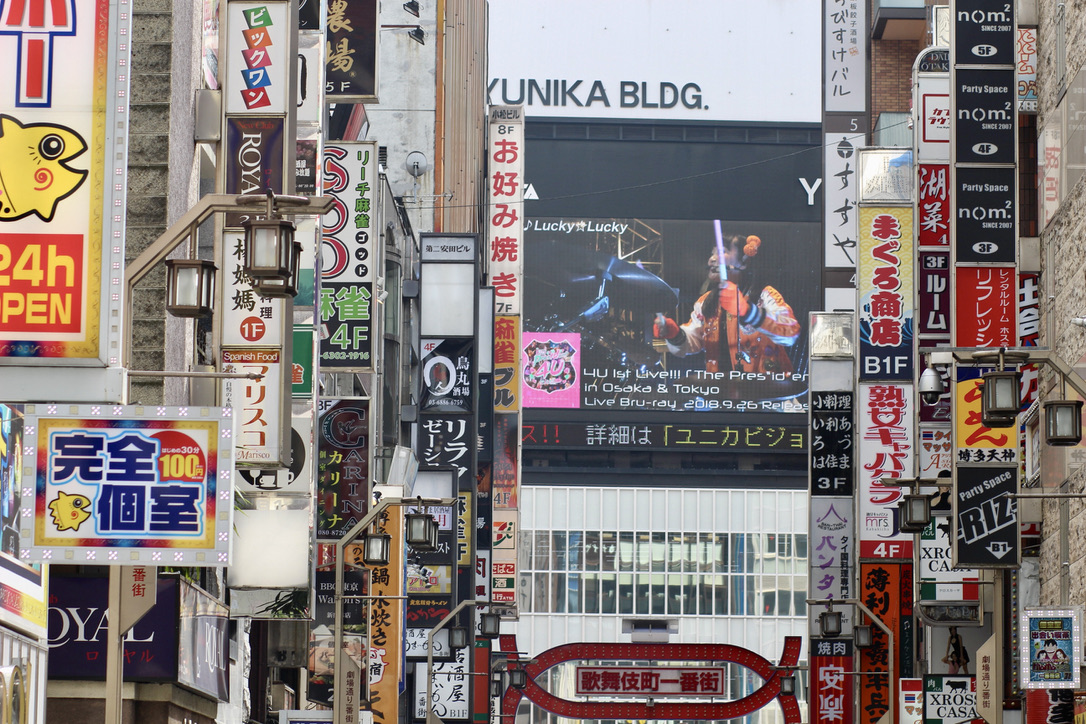
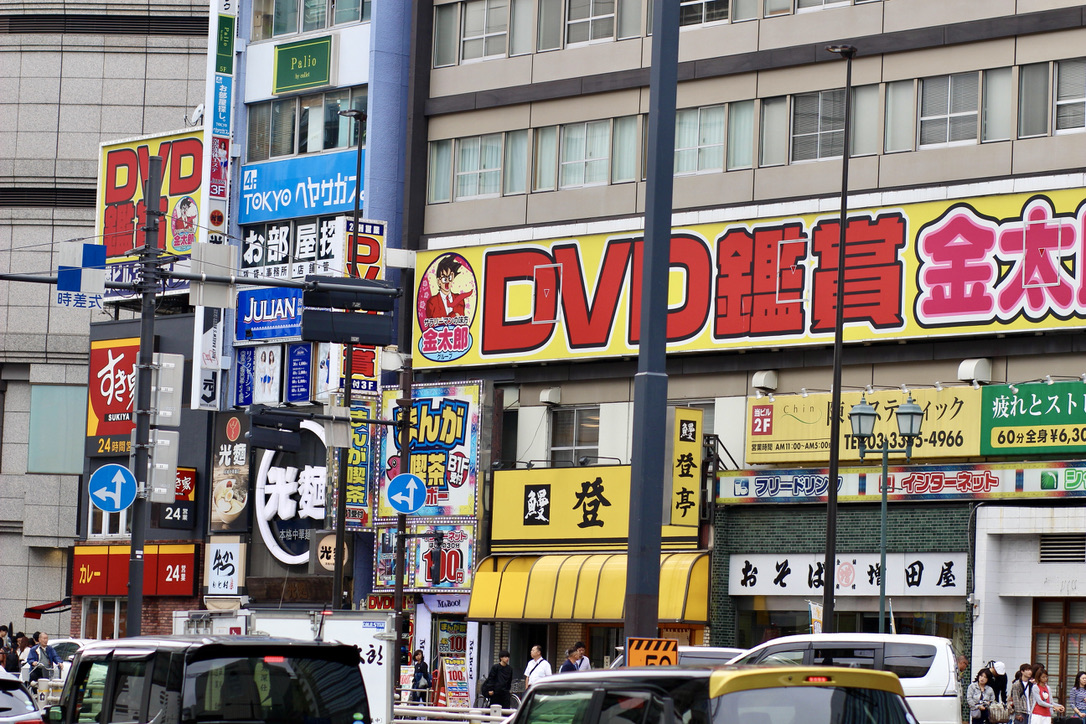
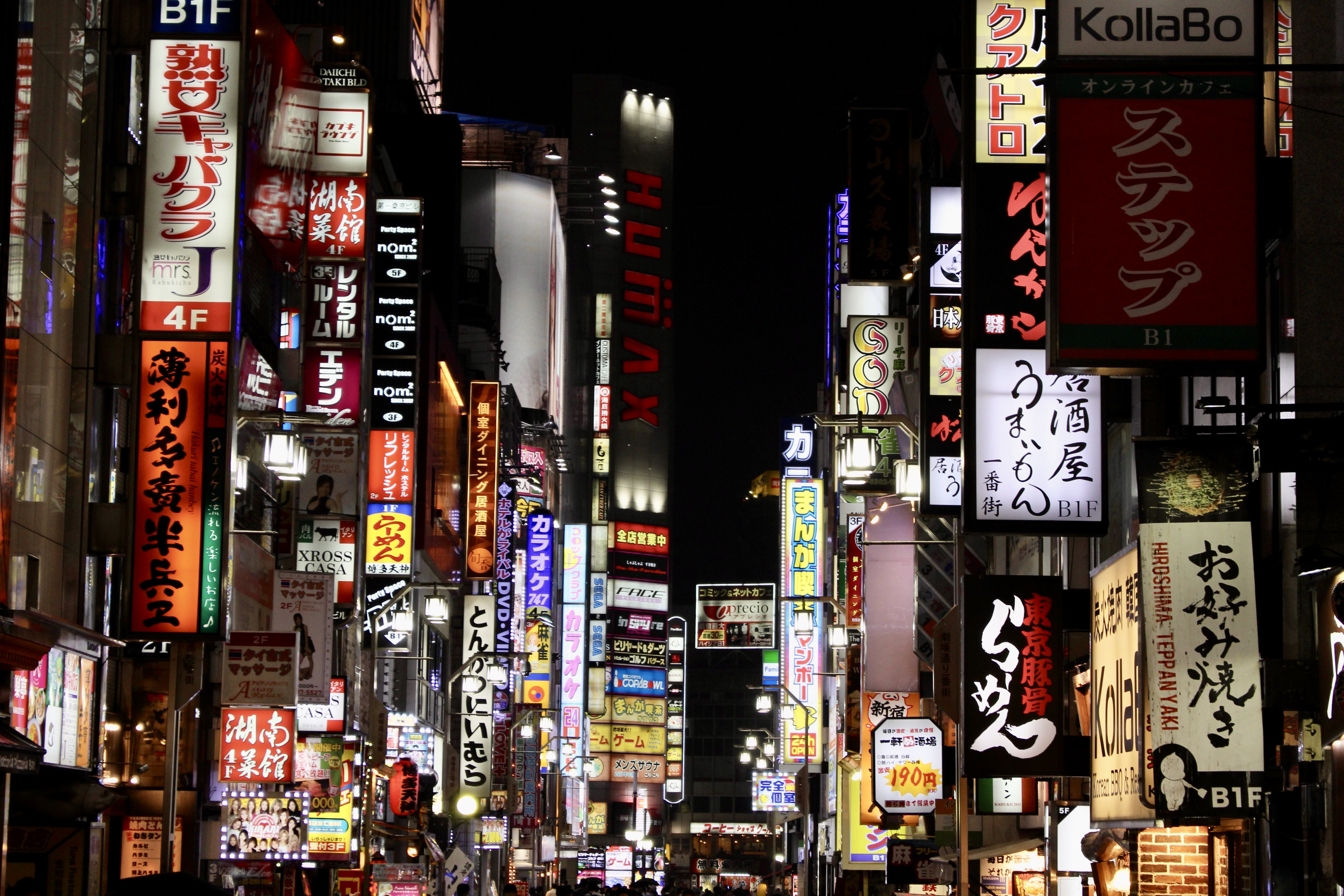
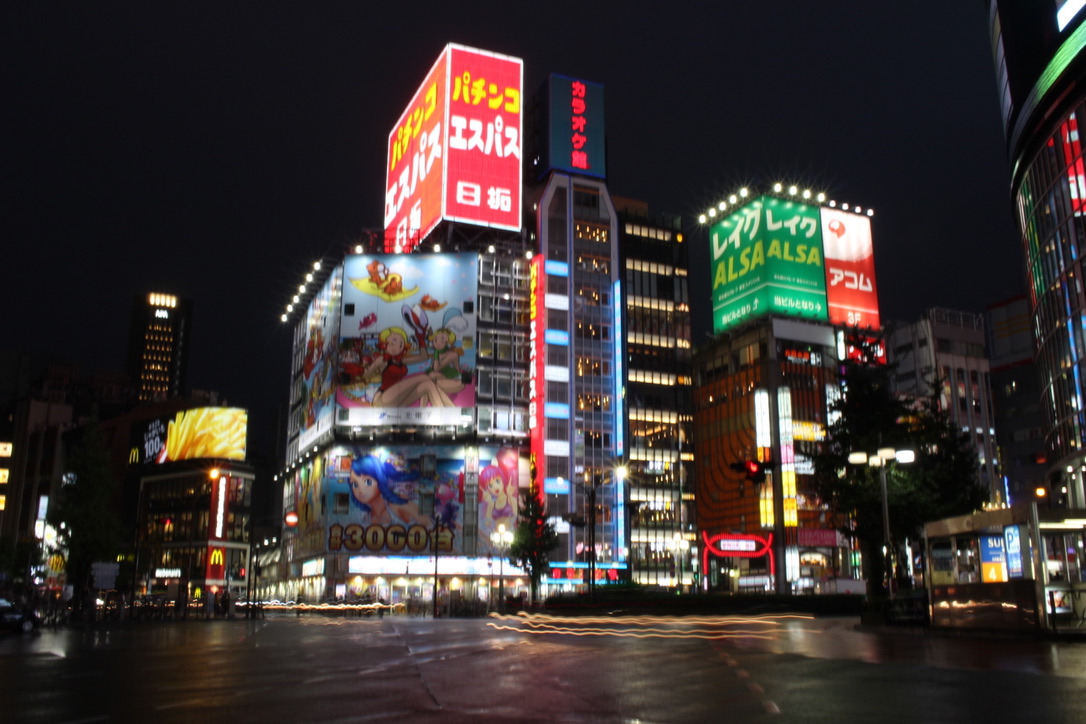
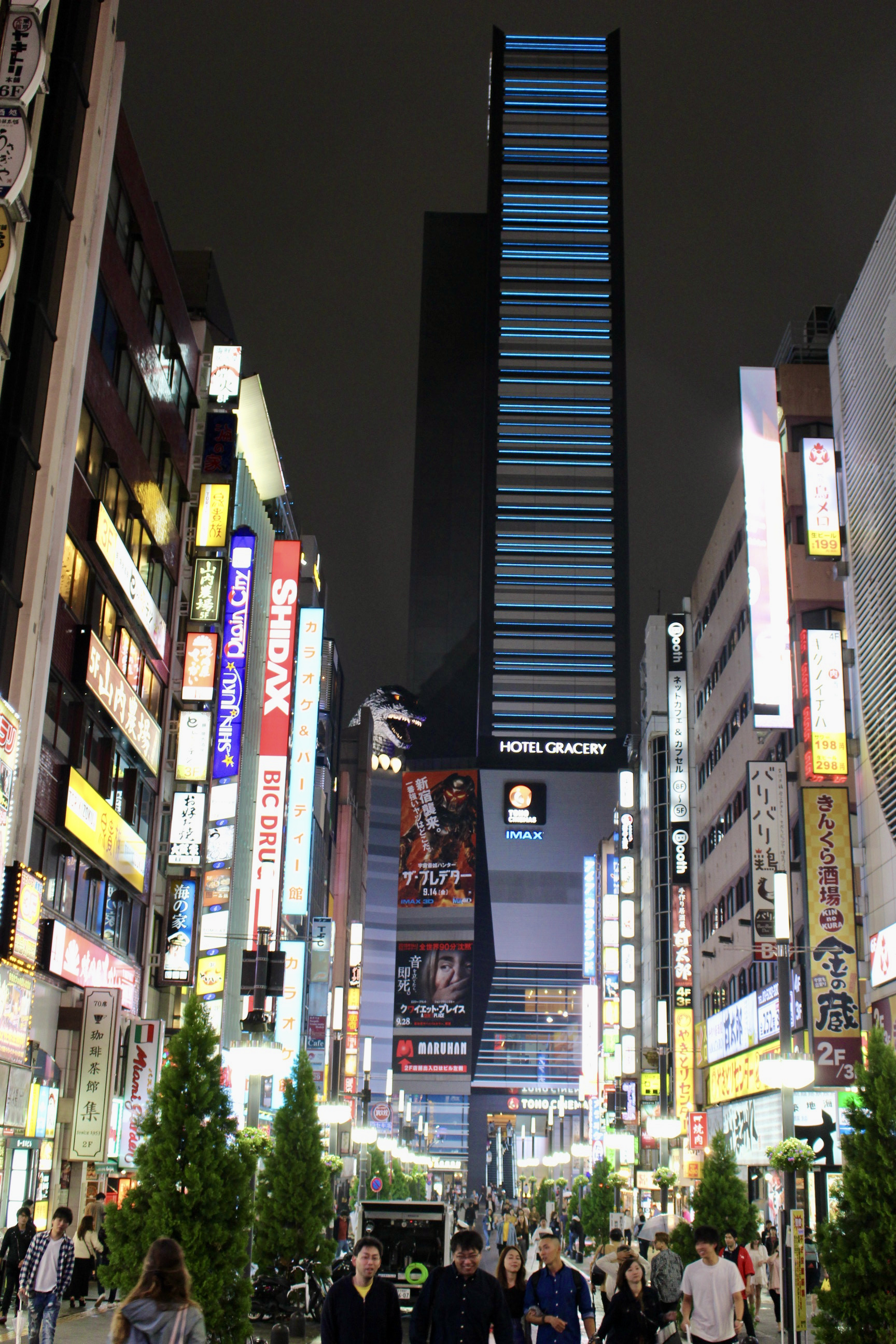
After having enjoyed the peaceful atmosphere of the park, we met a friend for lunch in Shinjuku district and strolled along its busy streets filled with thousands of signs and giant screens.
When the night came, the whole district became illuminated and a giant Godzilla head, hiding behind a building (can you spot it?), came to life with shining red eyes and smoke coming out of his mouth. More information on Japan Guide – Shinjuku.
TIP: Gyoen Park is a popular place for picnic. As alcohol and music are prohibited, it’s the perfect place for a quiet lunch surrounded by greenery and flowers.

Day trip from Tokyo
NIKKO
Shinkyō Bridge
Nikkō Tōshō-gū Shrine
SHINKYO BRIDGE
From Tokyo Station, we took the Tohoku Hokkaido Shinkansen train to Utsunomiya Station. We then hopped on a JR Nikko Line train to Nikko Station. The whole journey took around 1h45-1h55.
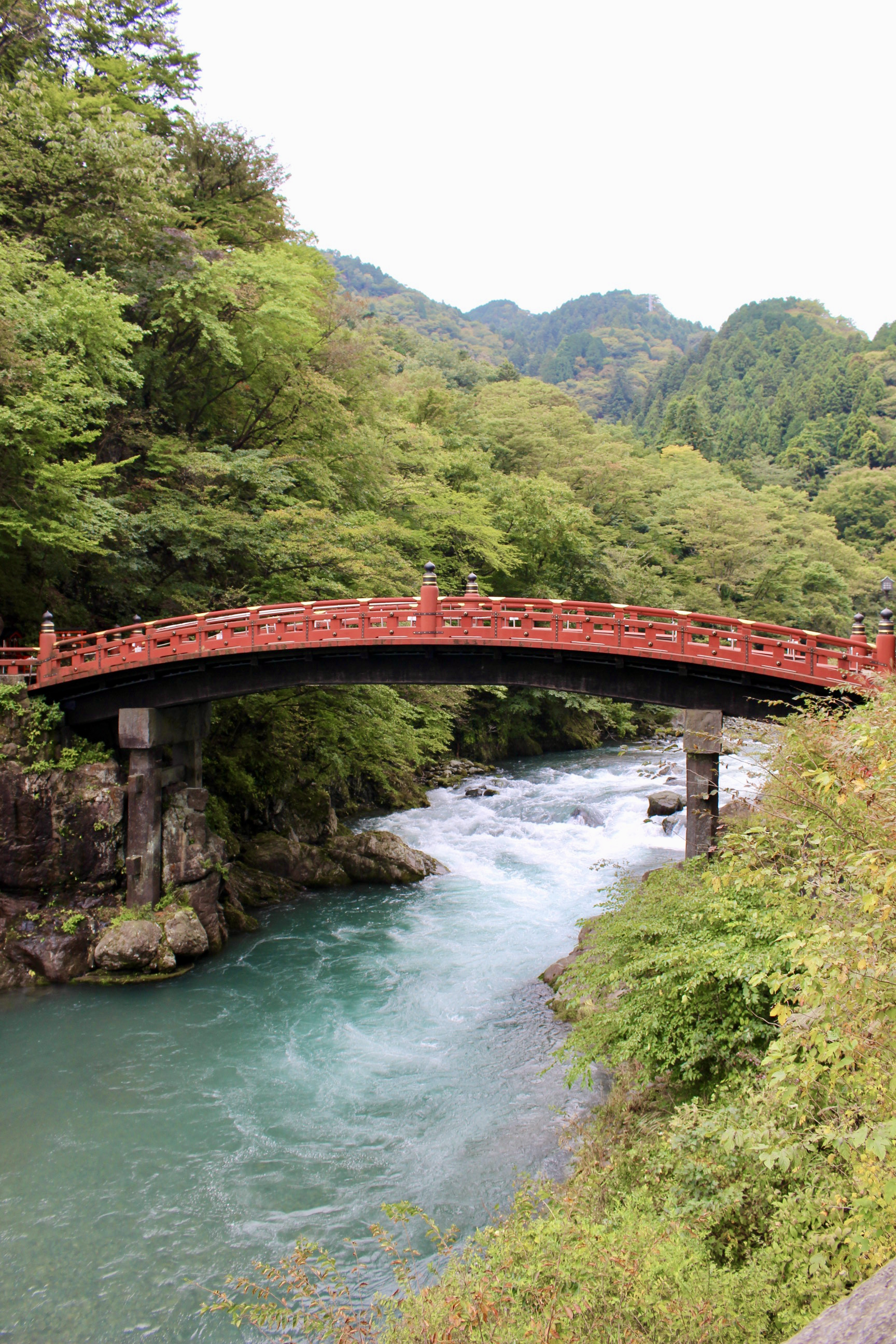
We walked for around 20-25 minutes to Shinkyō bridge, a flamboyant red bridge that contrast beautifully with the turquoise river and forest on each side. More information on Japan Guide – Shinkyo bridge.
NIKKO TOSHO-GU SHRINE
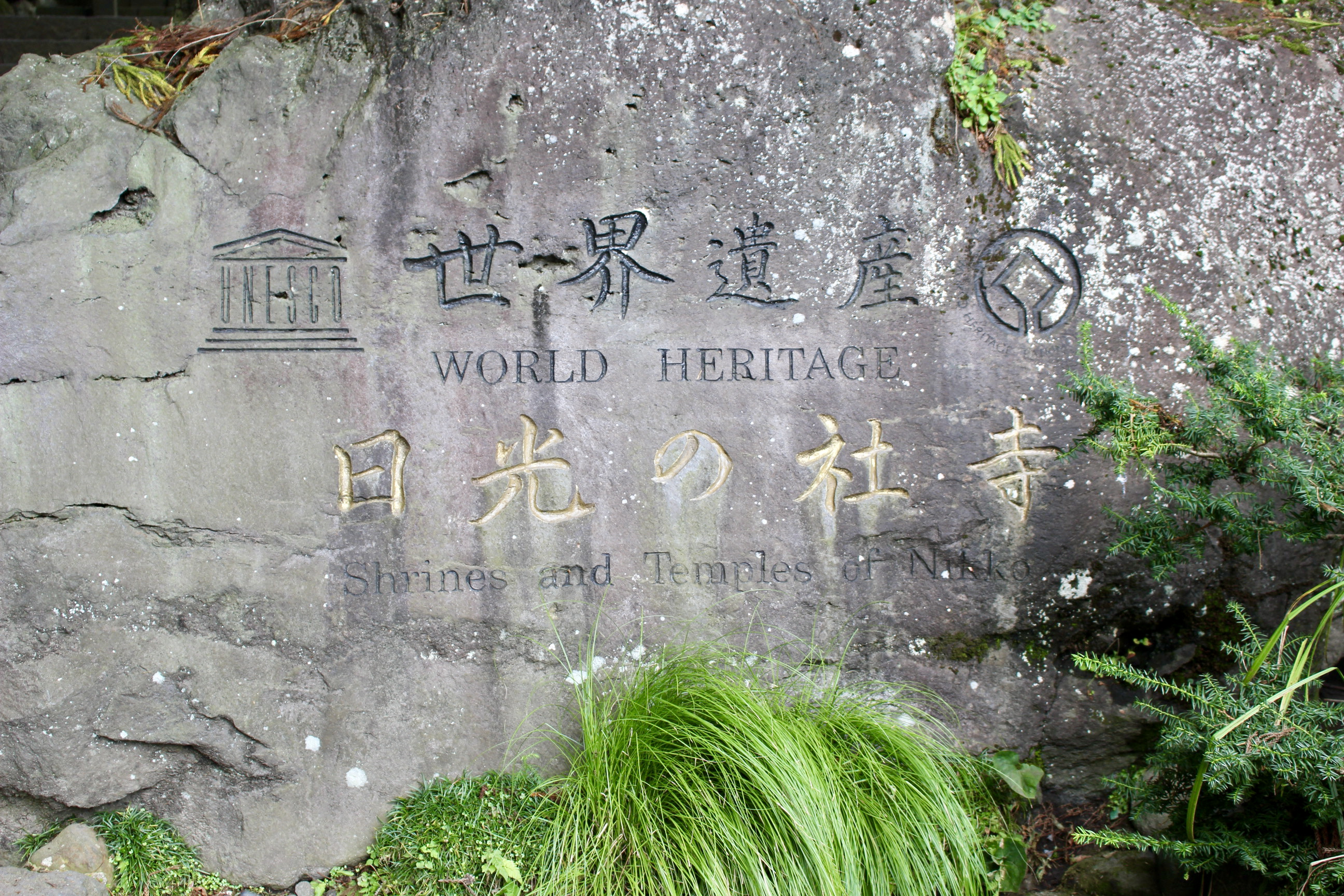
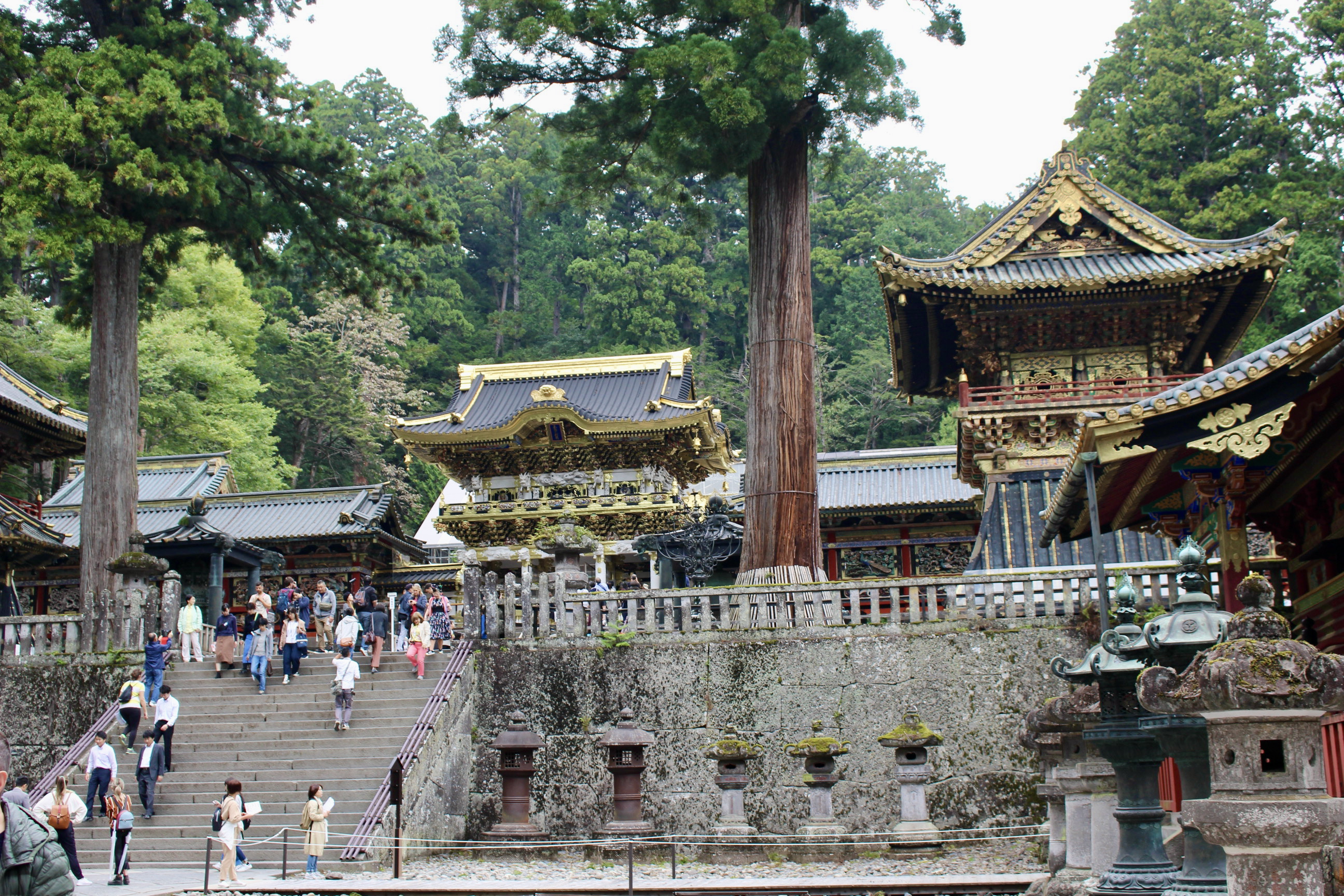
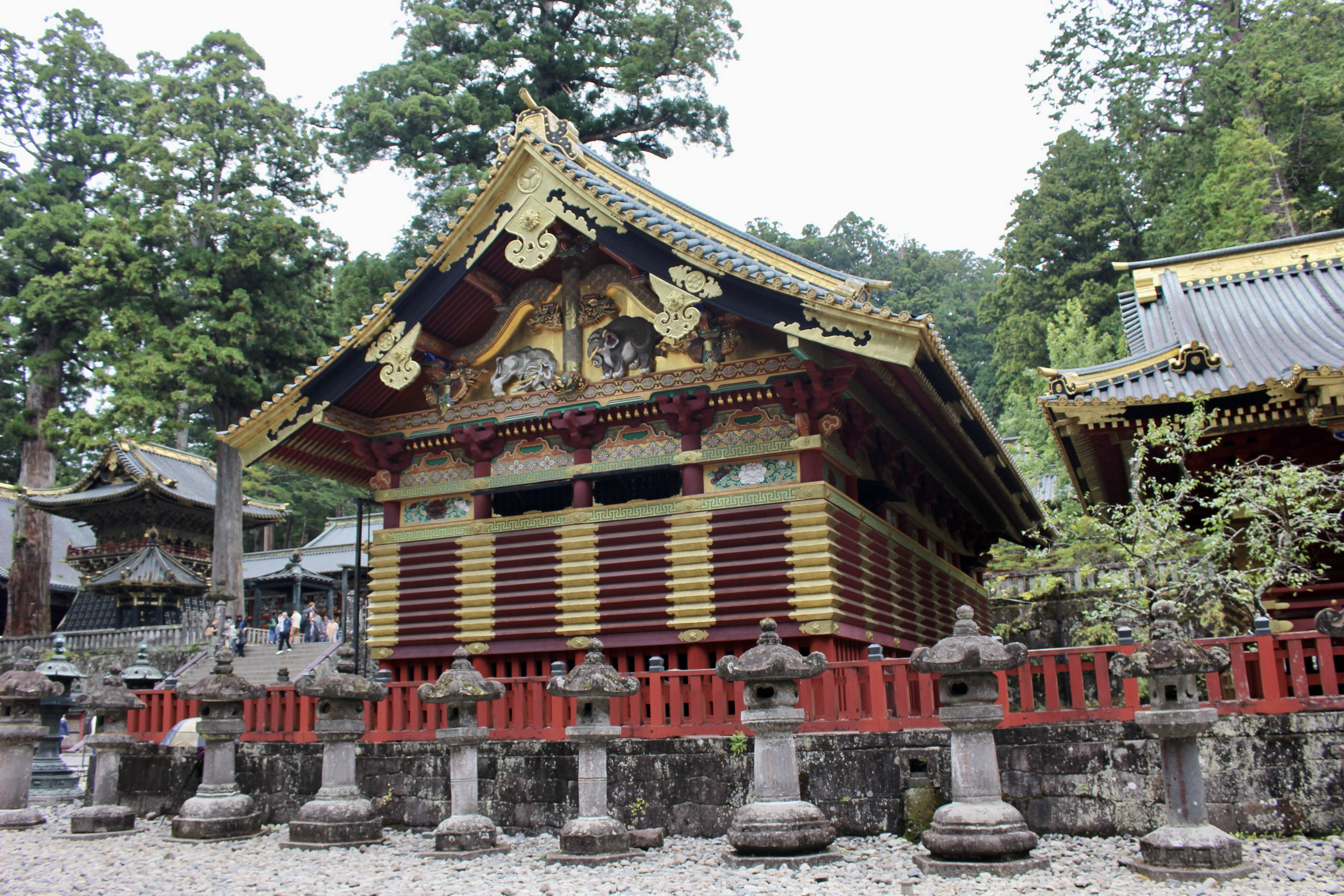
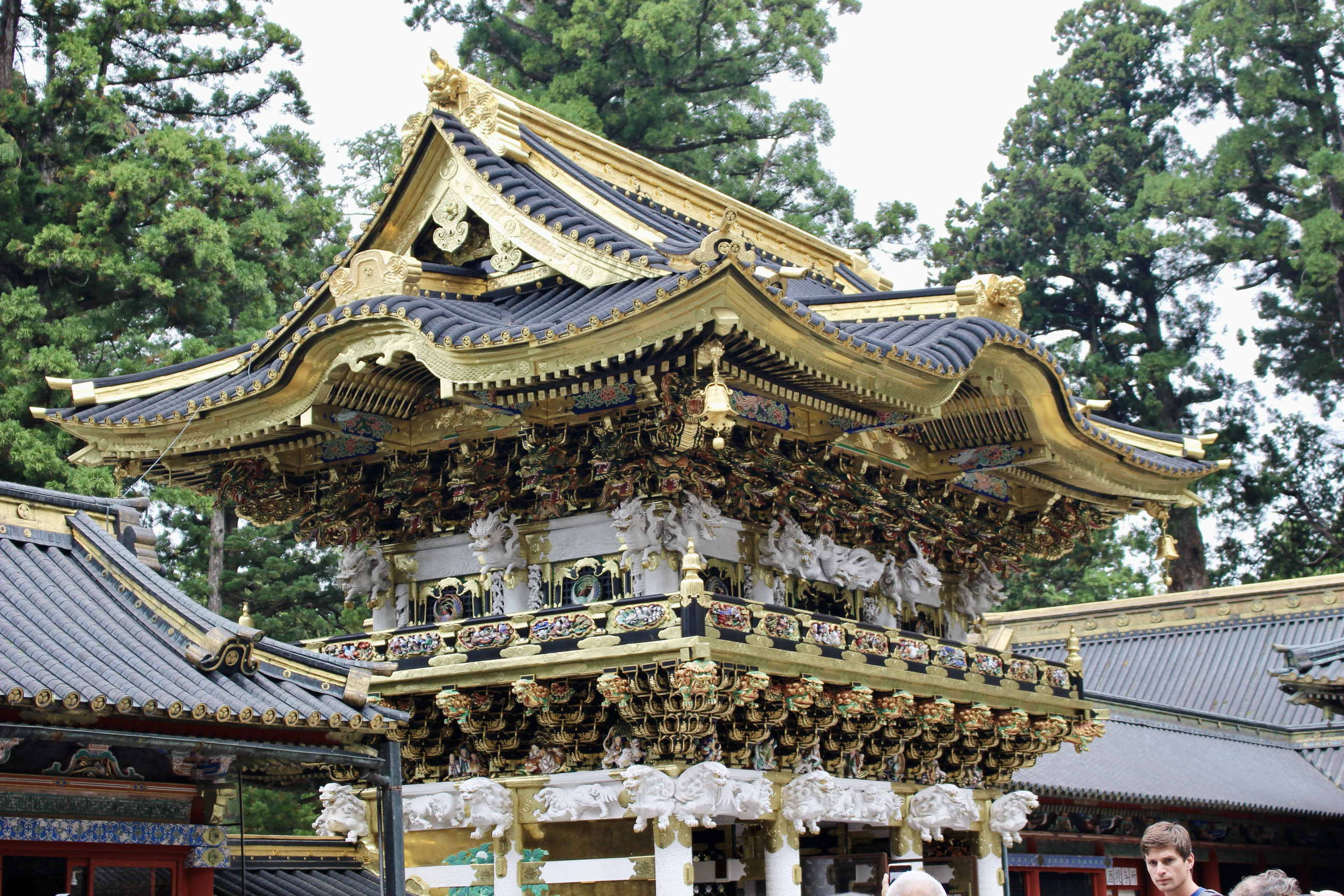
After a 15-min up-hill walk, we arrived at the magnificent Toshogu Shrine, also known as « Nikkō Tōshō-gū ».
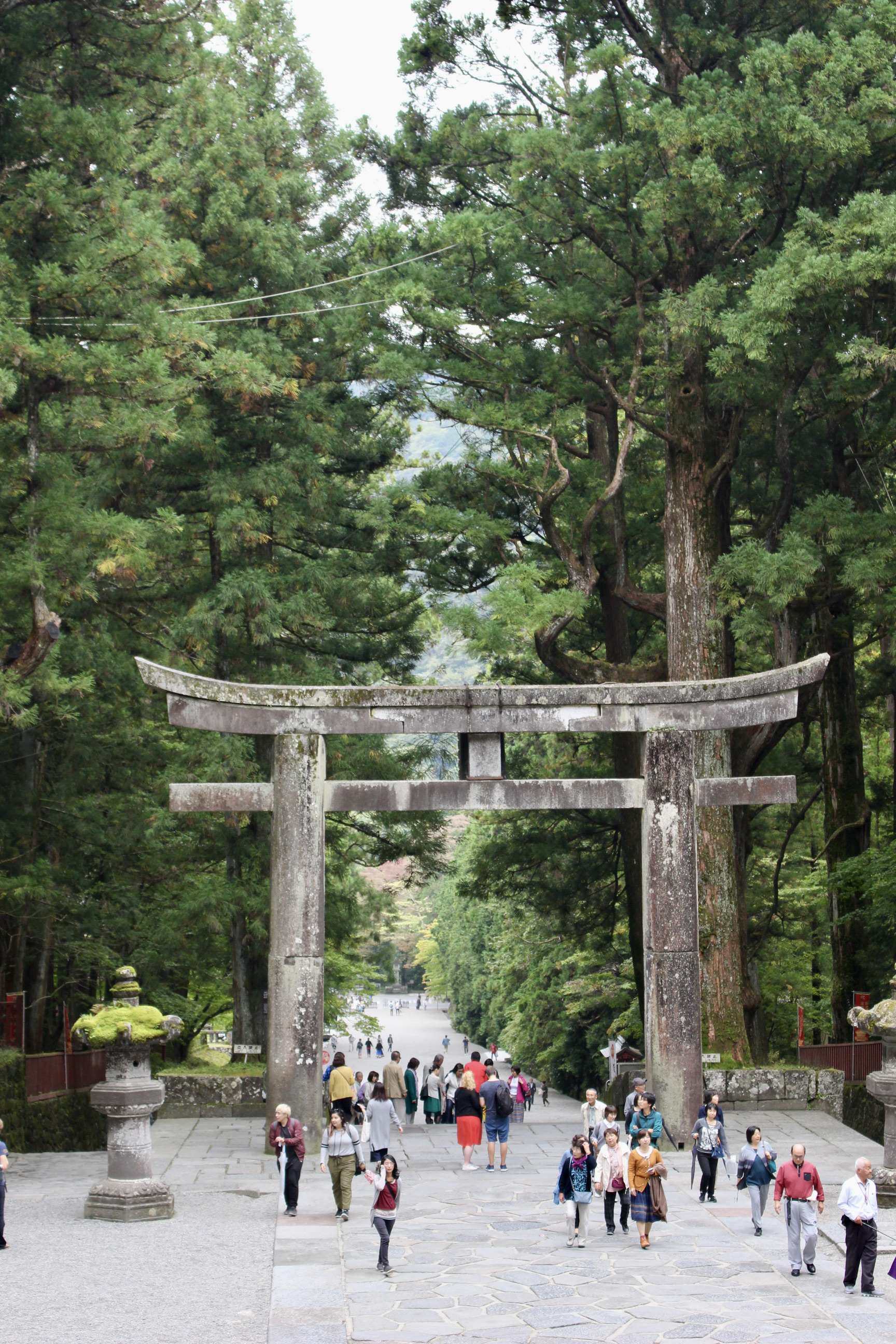
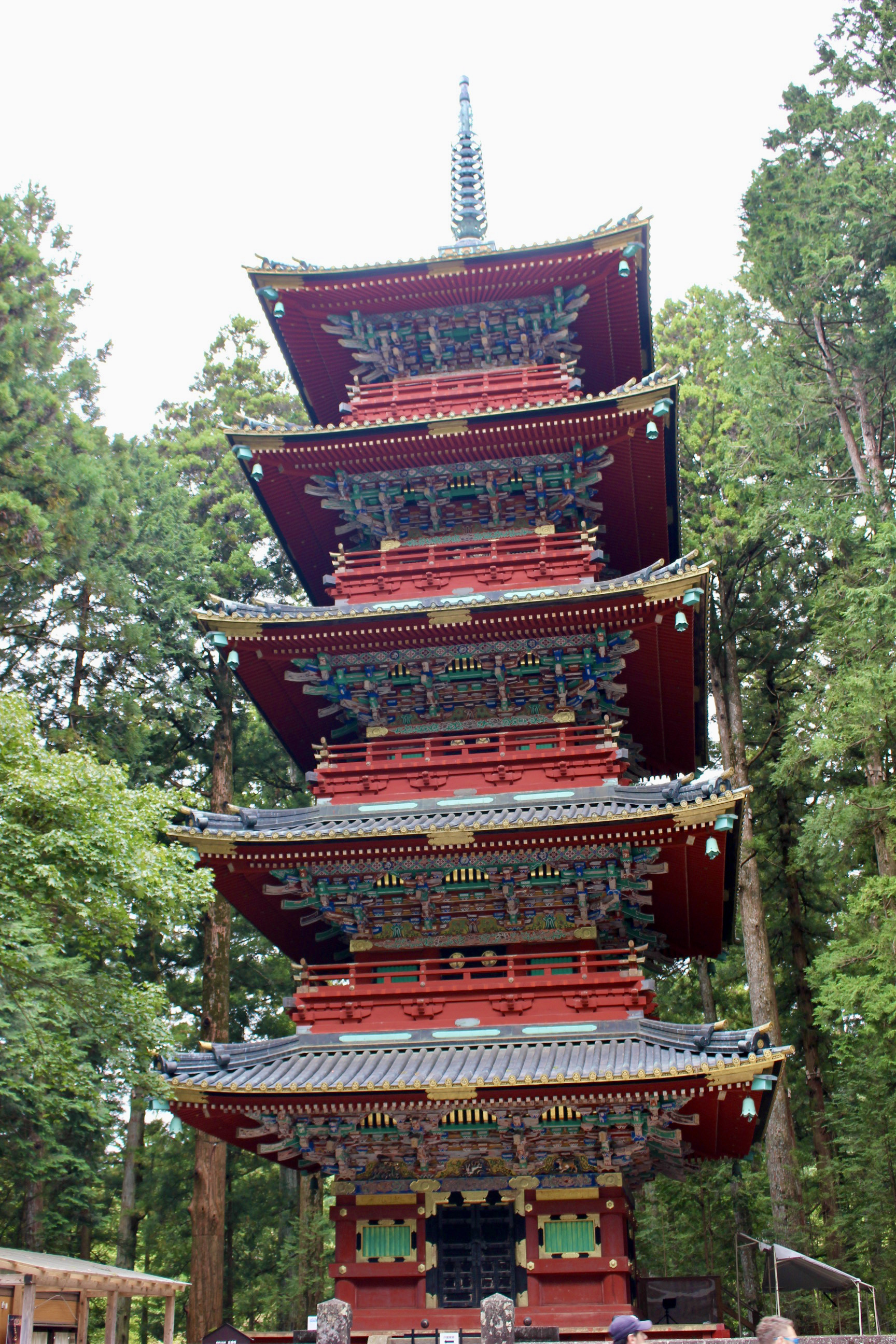
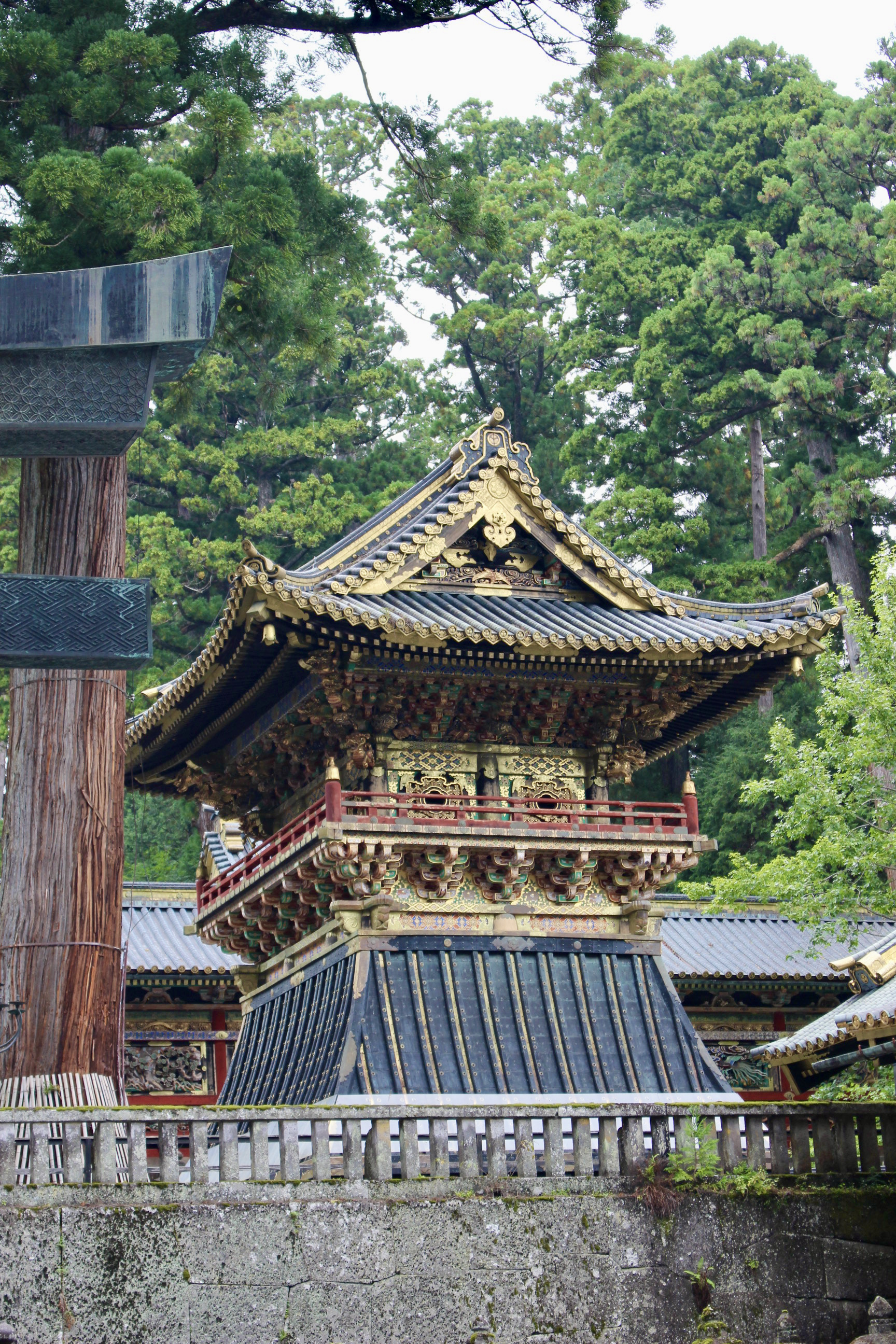
The visit starts with a large path leading to the giant stone Torii gate and to an open court surrounded by multiple shrines. The mausoleum, set into a forest of massive trees, was enlarged into a shrine complex in the 17th century (more information on Japan Guide – Toshogu shrine).
It consists of multiple buildings decorated with wood carvings, large amounts of gold leaf and both Shinto and Buddhist religious elements, making this architecture unique in Japan.
TIP: you can easily walk down from Nikko station to the Shinkyo bridge, and then walk up to the Tōshō-gū shrine. For the way back, the path is quite up-hill: you can take a bus from Shinkyo bus stop (near the Shinkyo red brige) to Nikko station.
Tokyo day visit
TOKYO
SHIBUYA
Takeshita Street
Yoyogi Park
Shibuya District
Shibuya Crossing
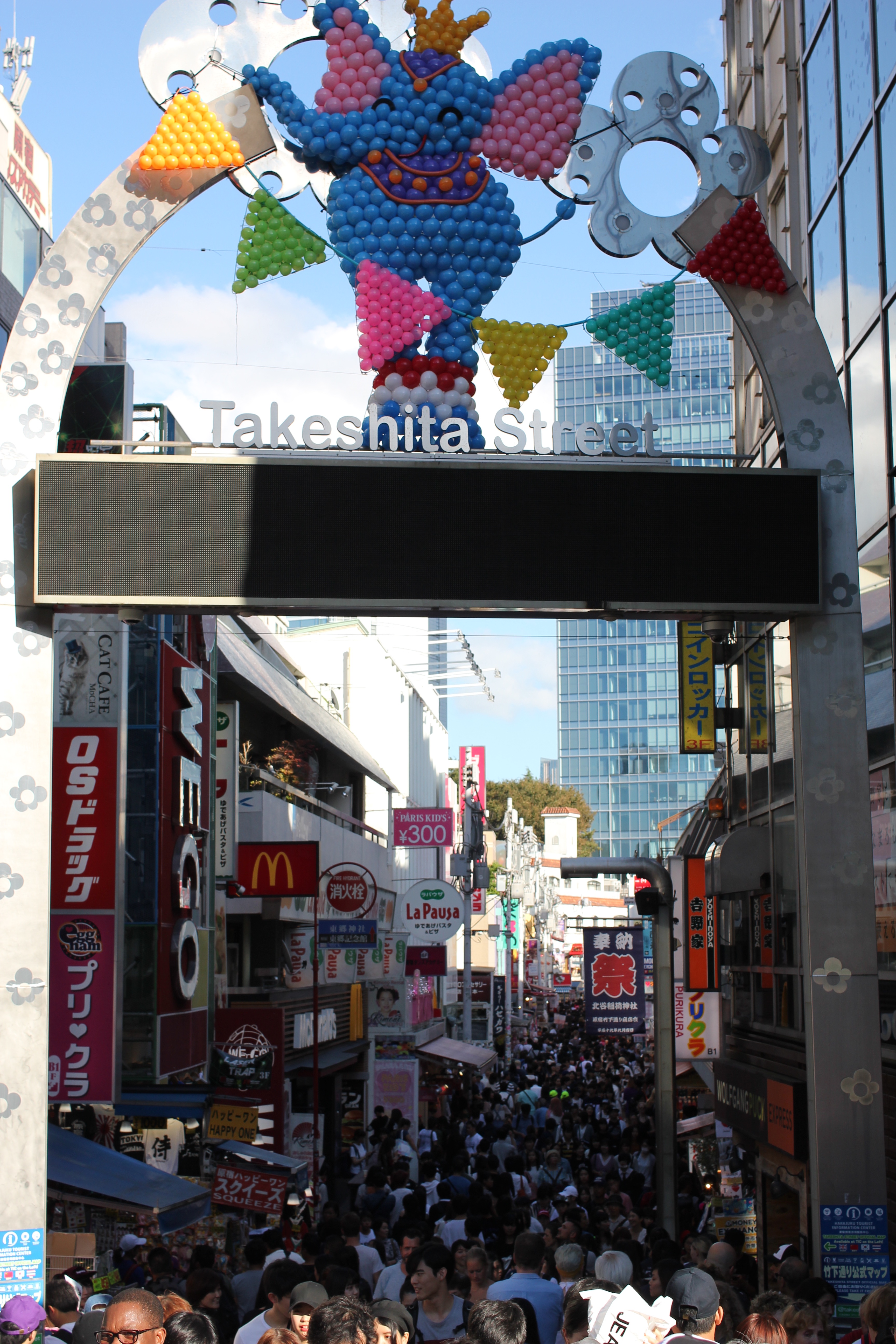
TAKESHITA STREET
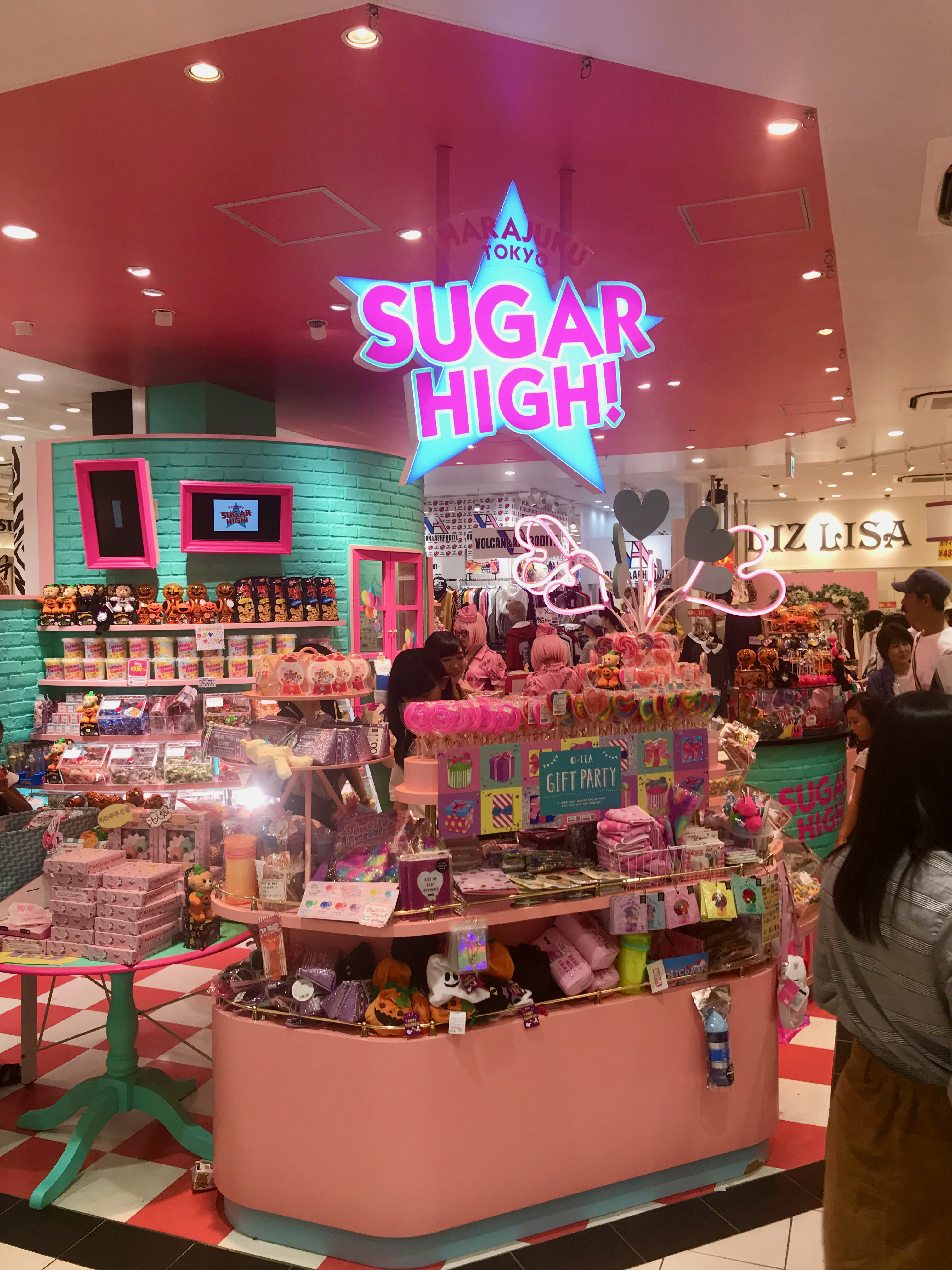
We got off the metro at Shibuya station and walked 15 minutes towards Takeshita street (Takeshita-dōri). It’s a famous (and crowded) pedestrian shopping street lined with the craziest and funniest fashion and food shops.
You will certainly spot locals with super original outfits and hairstyles that we don’t really see here in Europe.
YOYOGI PARK
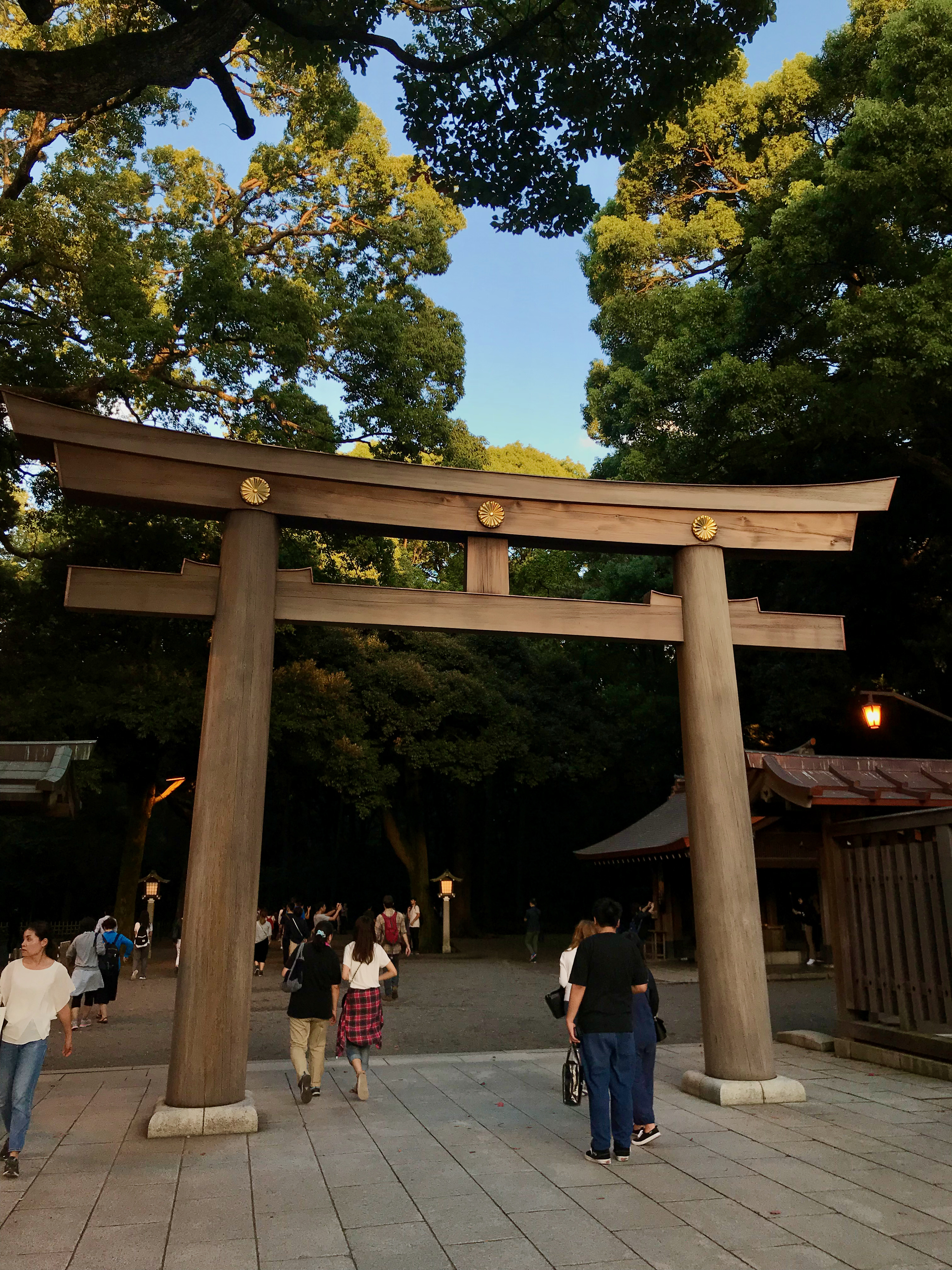
A short 6-minute walk from there, you will find the Yoyogi park (Yoyogi-kōen), a large forested area where you can take a quiet break from the buzzing Takeshita street.
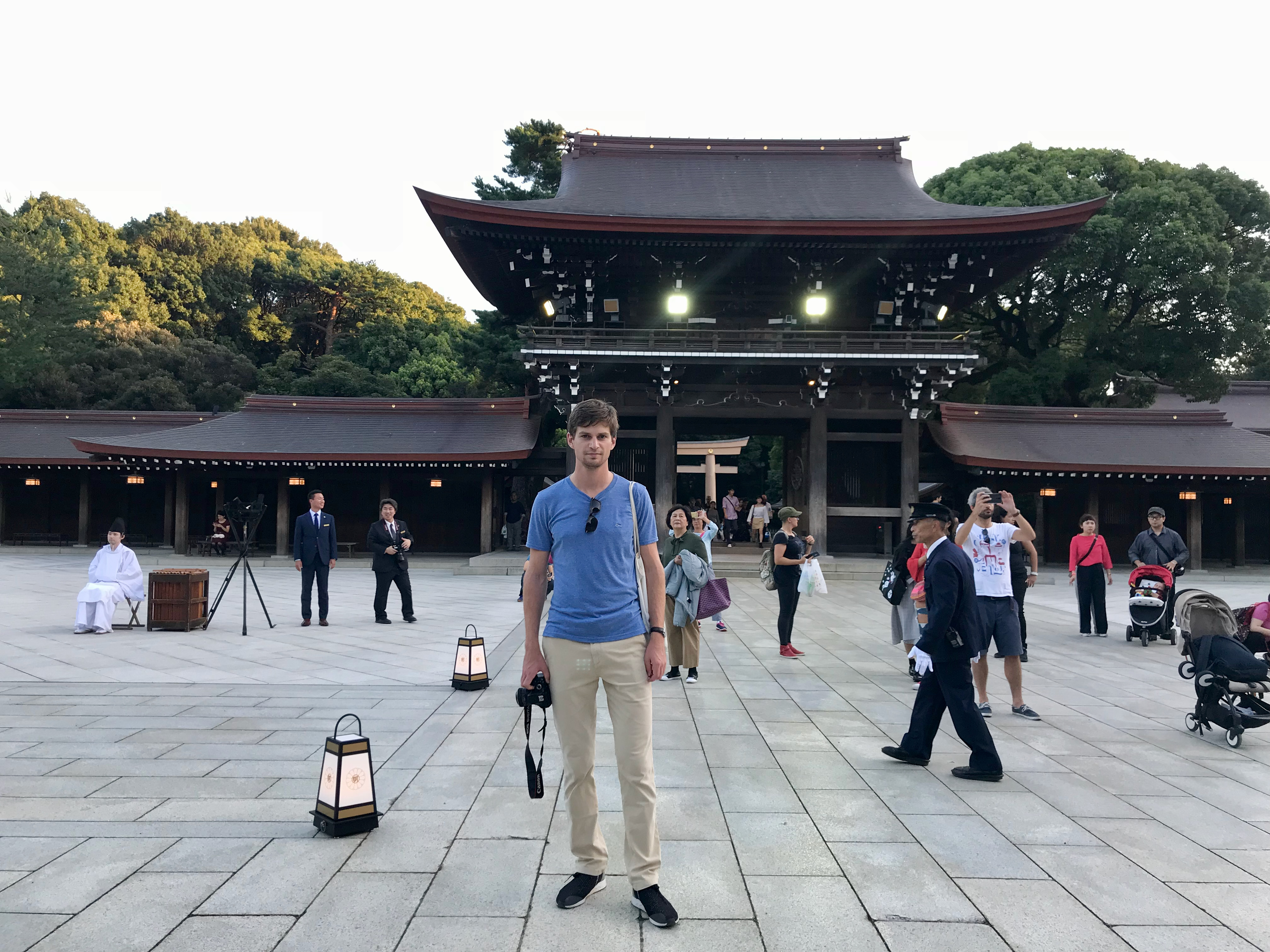
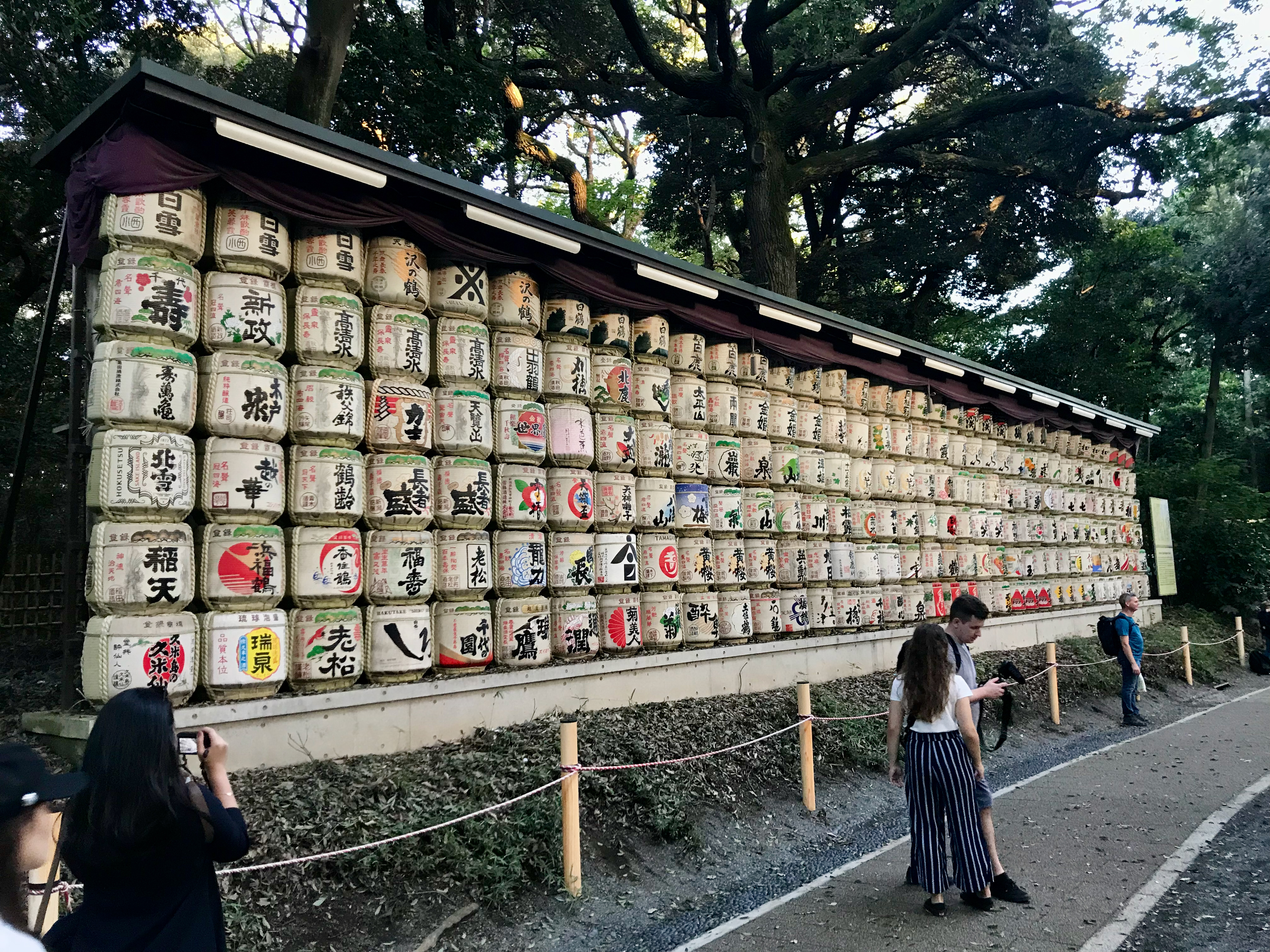
In the middle of the park, you will see a long wall of Sake barrels and a spacious Shrine called the Meiji Shrine (more info on this Japan Guide article).
SHIBUYA DISTRICT & SHIBUYA CROSSING
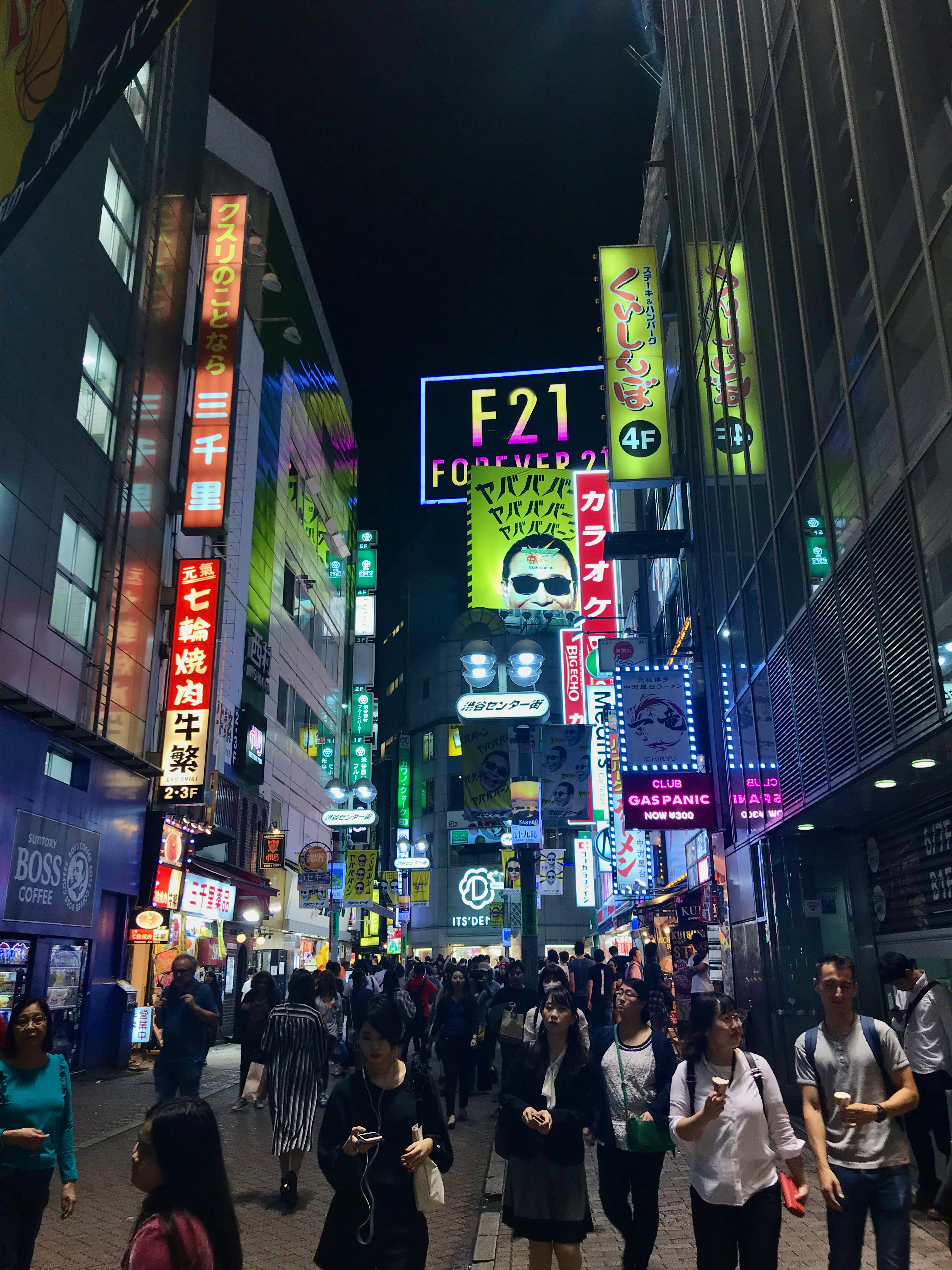
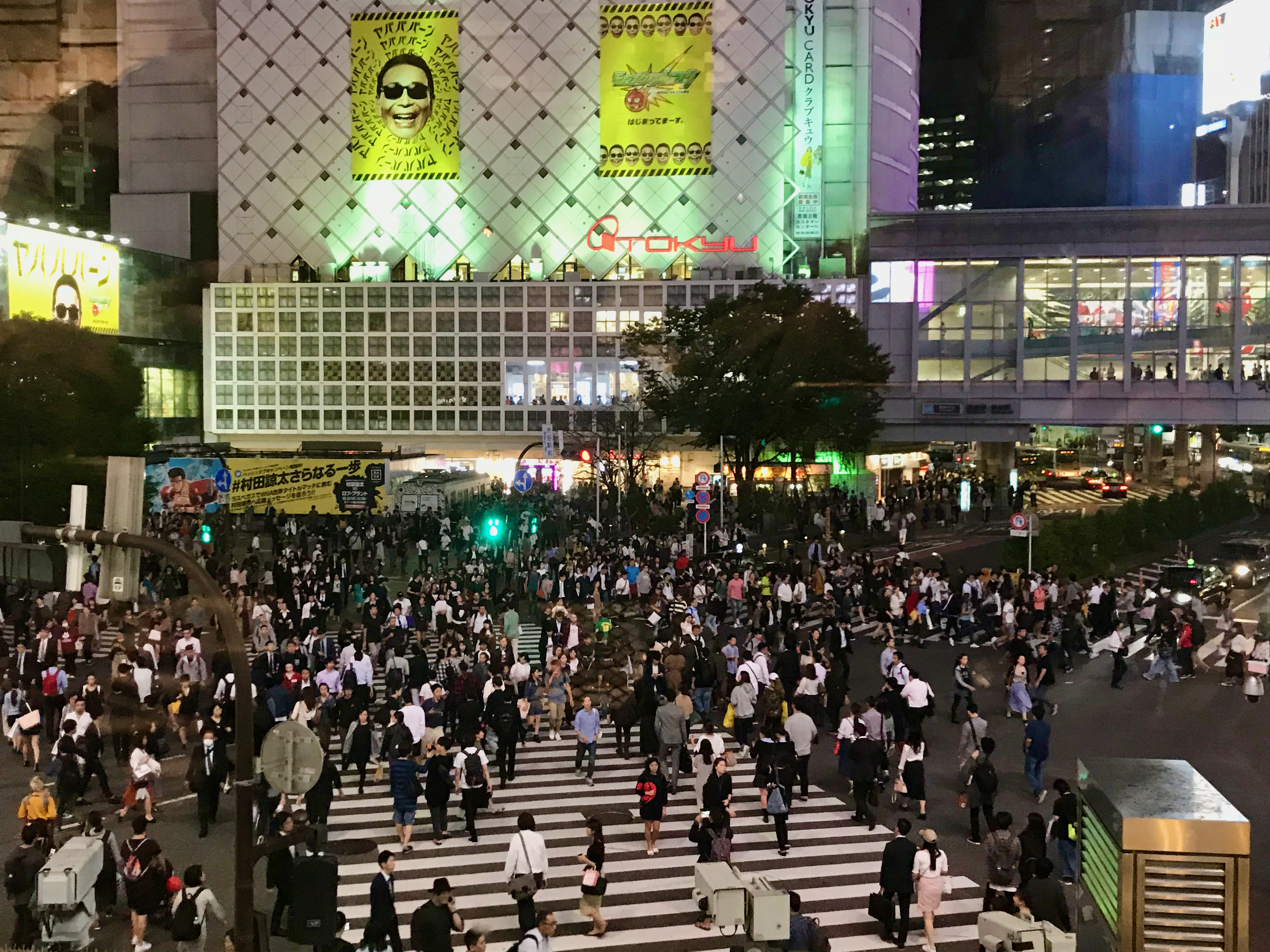
When the sun was setting, we walked back to Shibuya (around 15 minutes) and checked the (busy) shopping streets and the famous Shibuya crossing.
TIP: we read in this article of Japan Web Magazine that the Starbucks Shibuya Tsutaya is a good place to view the famous Shibuya crossing. Luckily, it was quiet when we arrived and we could enjoy a drink while seating and overlooking the crossing.
The article refers to other spots to view the crossing, with practical details on how to access them.




Day trip from Tokyo
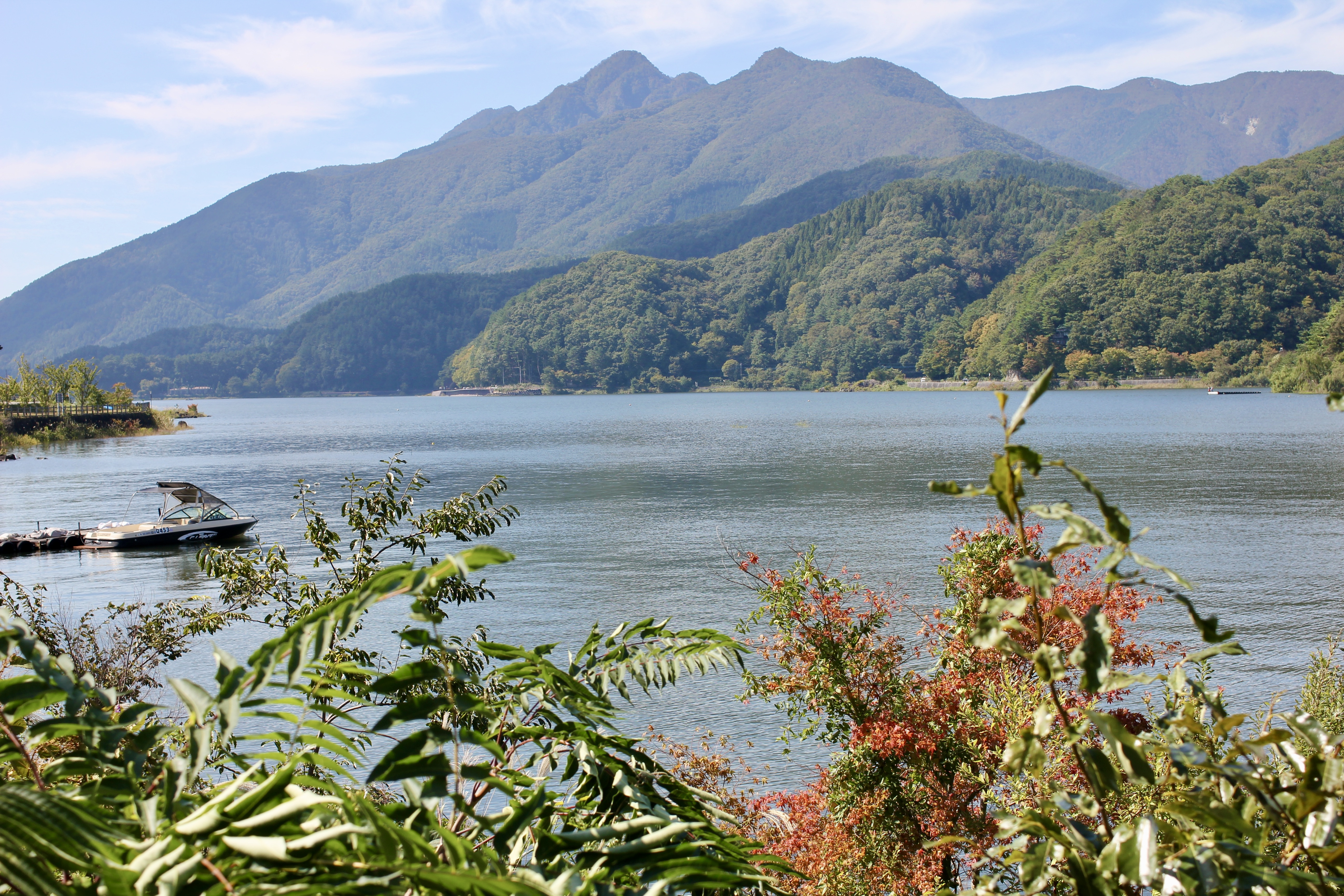
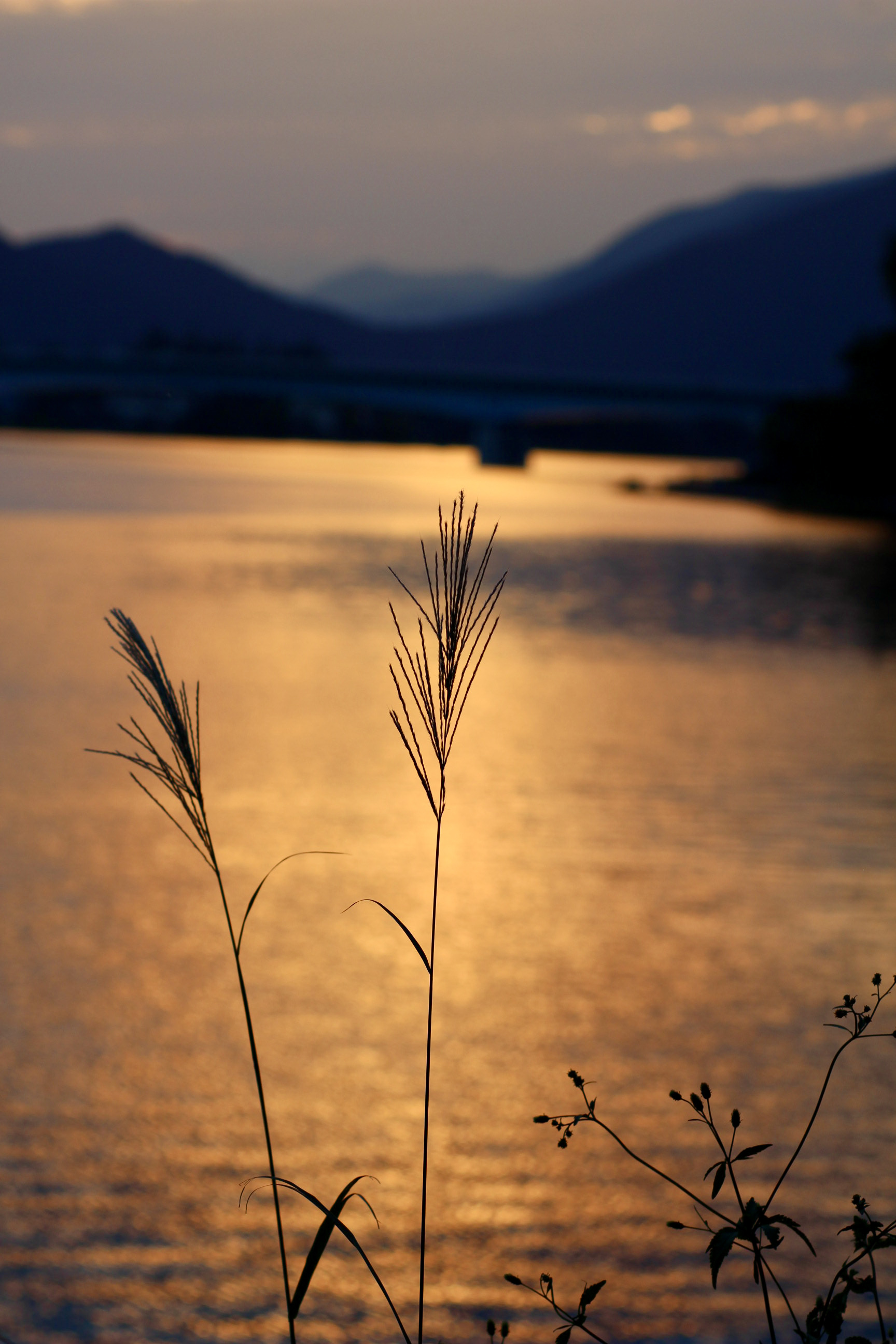
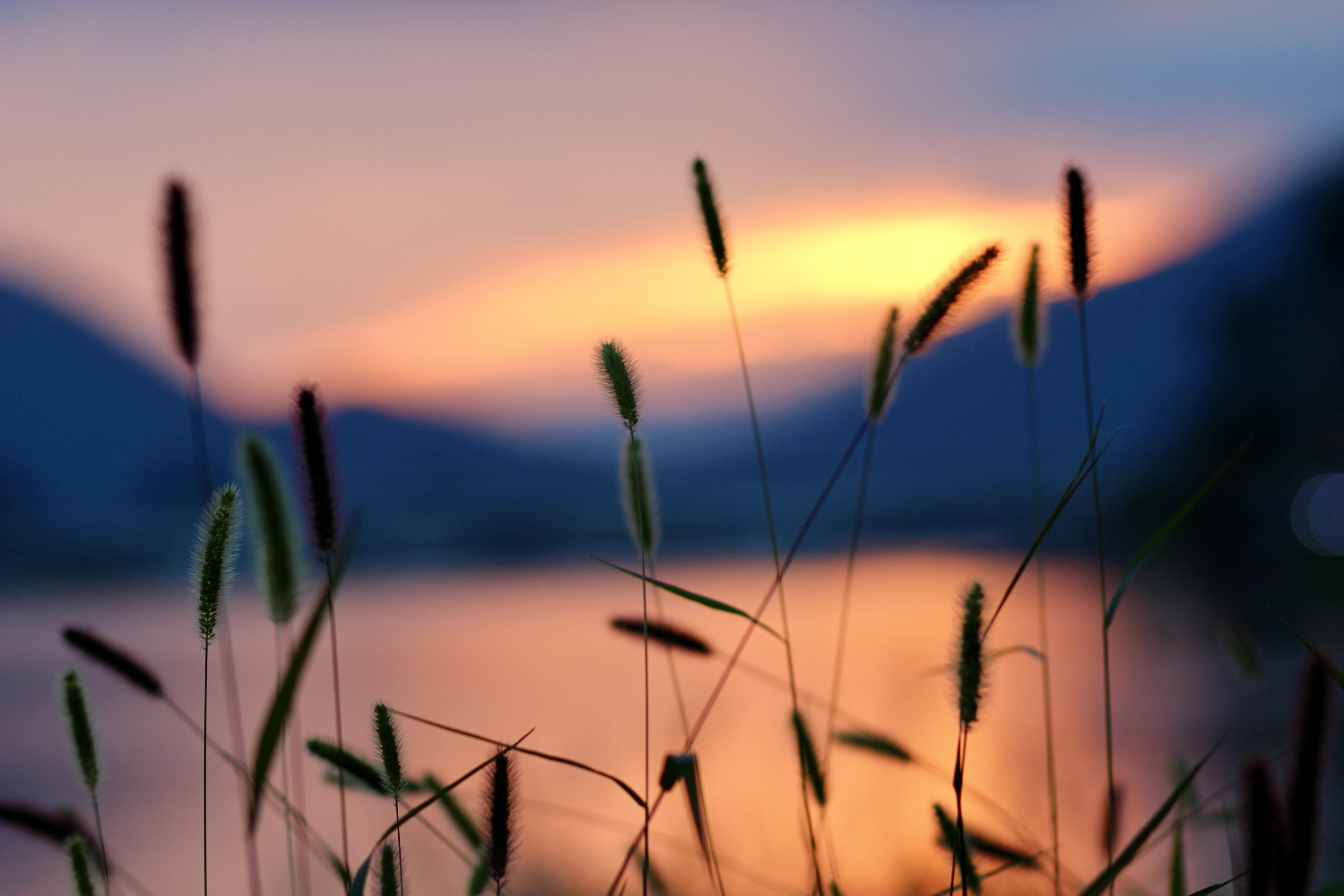
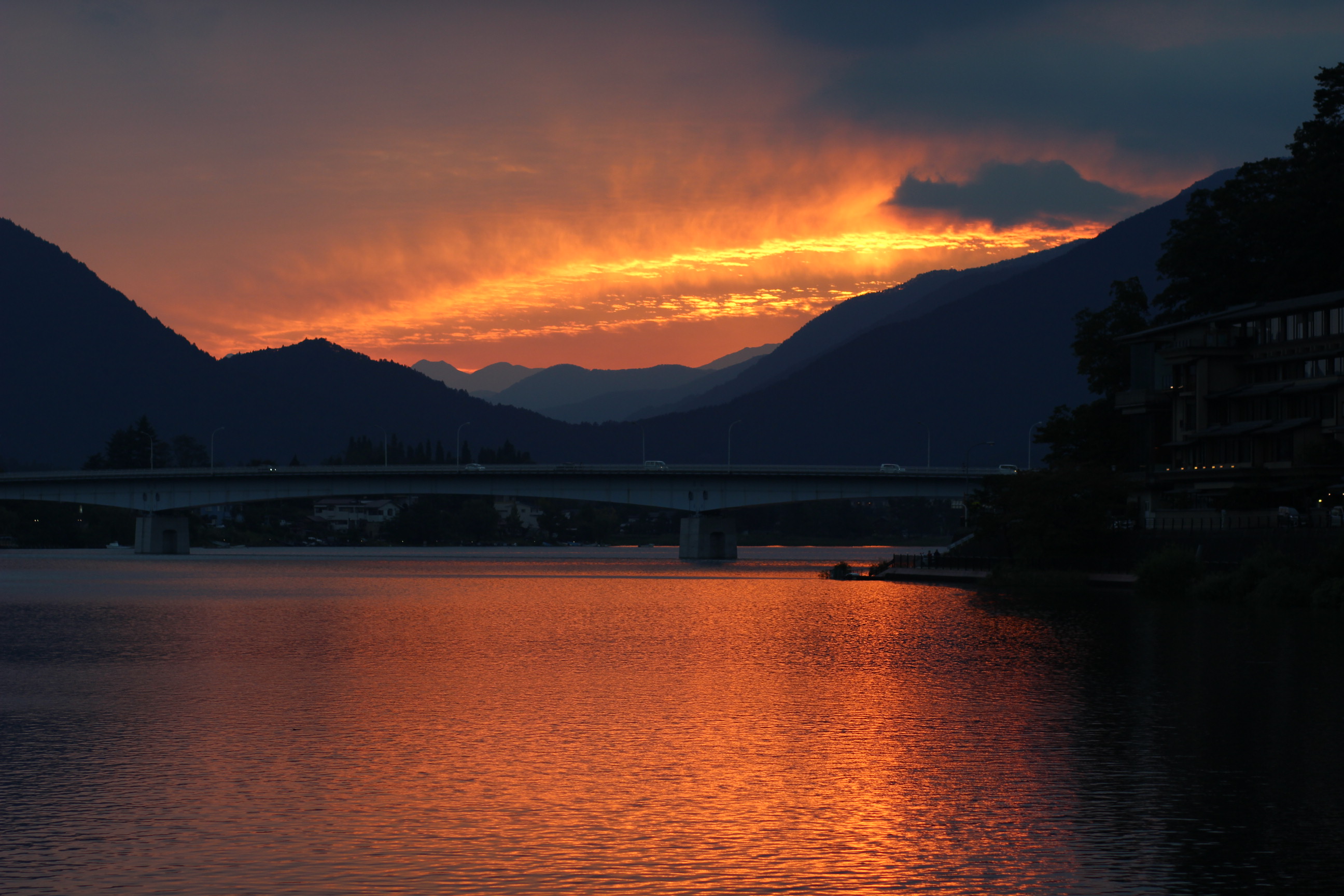
LAKE KAWAGUCHI
Lake Kawaguchi
Mount Fuji views
From the Shinjuku Bus Terminal in Tokyo, you can take a bus to Kawaguchiko Station that will take around 2 hours. You can also take a train to Ōtsuki Station and then another one to Kawaguchiko Station but the journey is a bit longer (2h20).
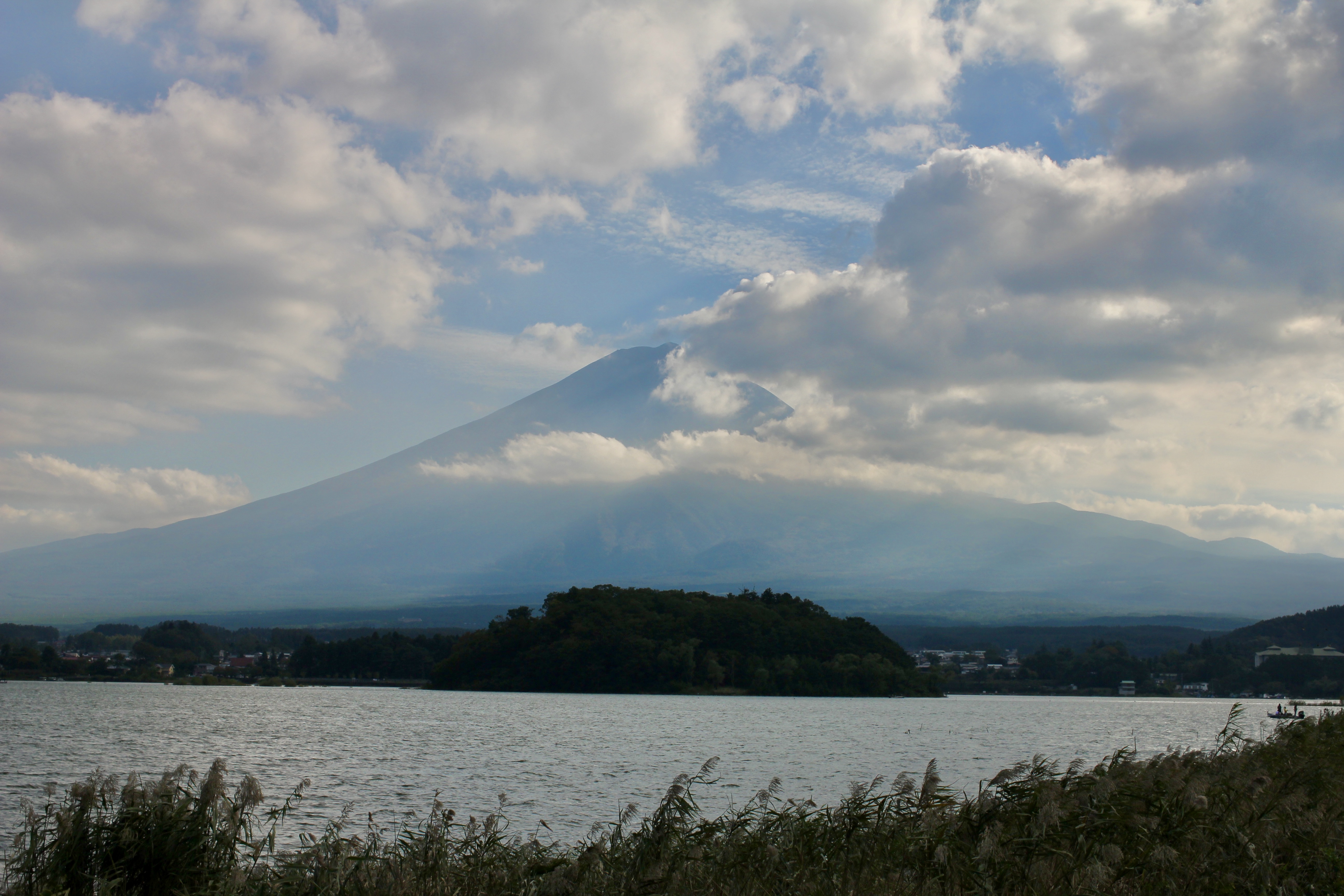
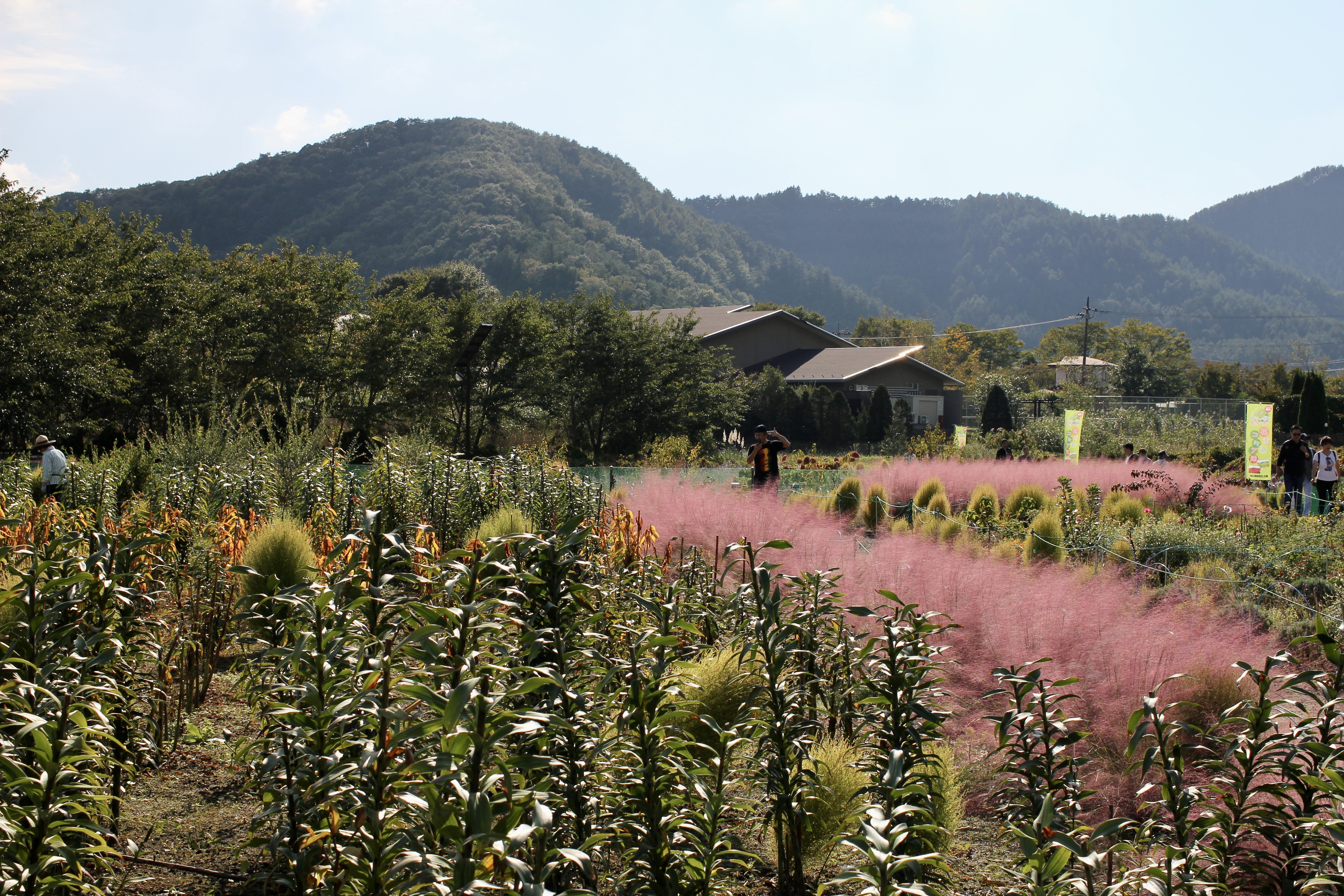
Once at Kawaguchiko Station, we rented bicycles to make a tour around the lake and discover its many view points, including views of Mount Fuji. The lap is around 20km, so count approximately 3 hours with some stops.
The weather was perfect for cycling, sunny with some breeze. We had a wonderful time cycling around the lake and enjoy its wonderful view points at our own pace.
TIP: the sun sets quite early in Japan throughout the year, as it’s close to the equator. We advise to watch the sunset on the lake and then take a bus back to Tokyo.


Not worth visiting in our opinion:
AHIKABARA DISTRICT: ELECTRONICS SHOPS, ARCADES AND MANGA CULTURE.
ROPPONGI HILLS: Modern entertainment and shopping complex.
3 DAYS
KYOTO AND AROUND
We took the Tokaido-Sanyo Shinkansen train from Tokyo to Kyoto (2h15) and stayed 4 nights there to get 3 full days of visits. We chose a hotel near Kyoto train station to reach everything by bike (rented with Kyoto Eco Trip).
Kyoto is the home of many gorgeous temples, shrines and gardens. We advise to select a few and enjoy them at a slow pace. About Kyoto city: we only liked Gion district, the rest of the city is semi-modern and did not look charming.
TIP: wear socks with shoes without laces. You need to remove your shoes every time you go inside a temple or shrine (you can keep your socks or be barefoot).
Kyoto day visit
KYOTO
SOUTH EAST
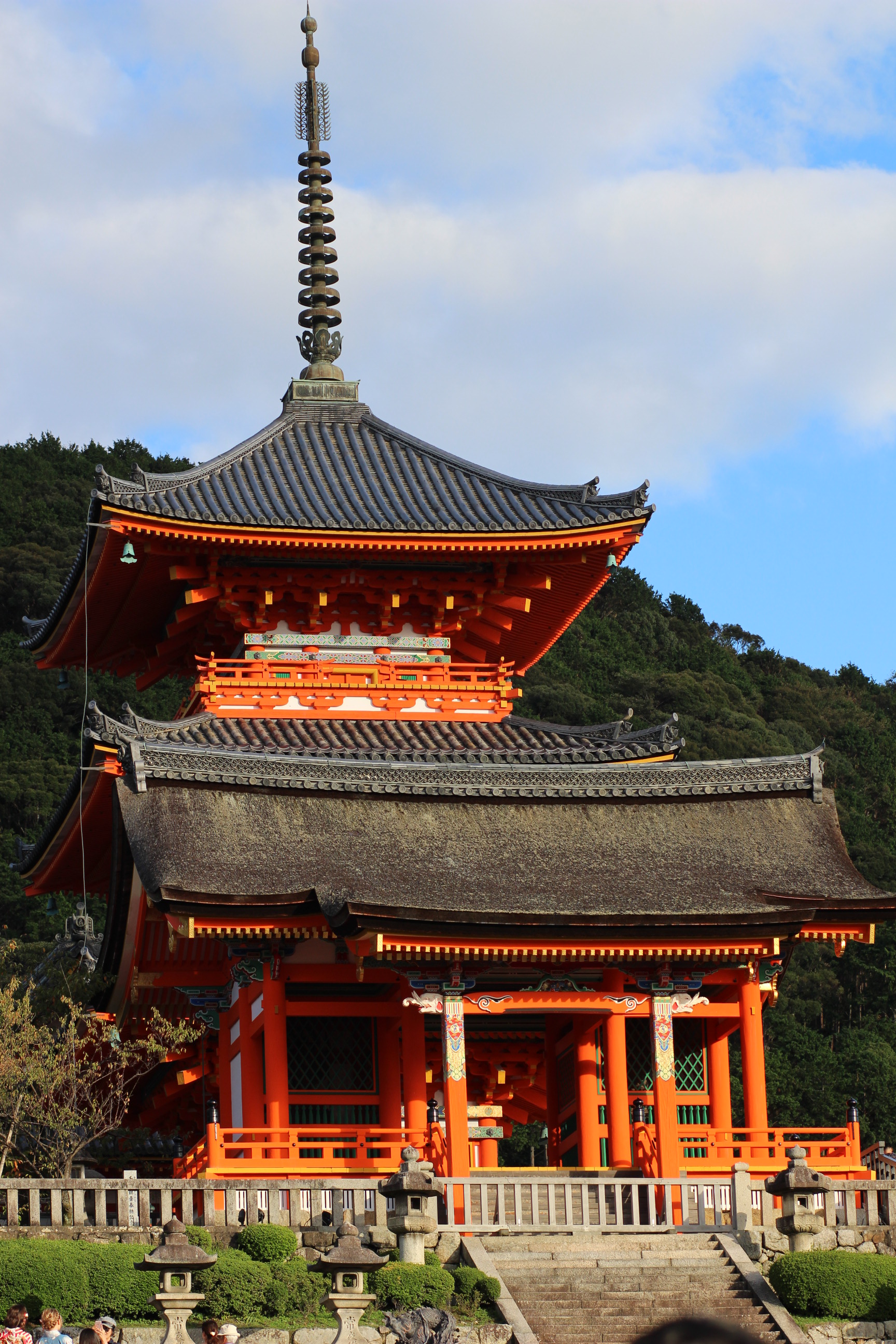
Fushimi Shrine
Sanjūsangen-dō Temple
Hanamikoji Street
Gion District
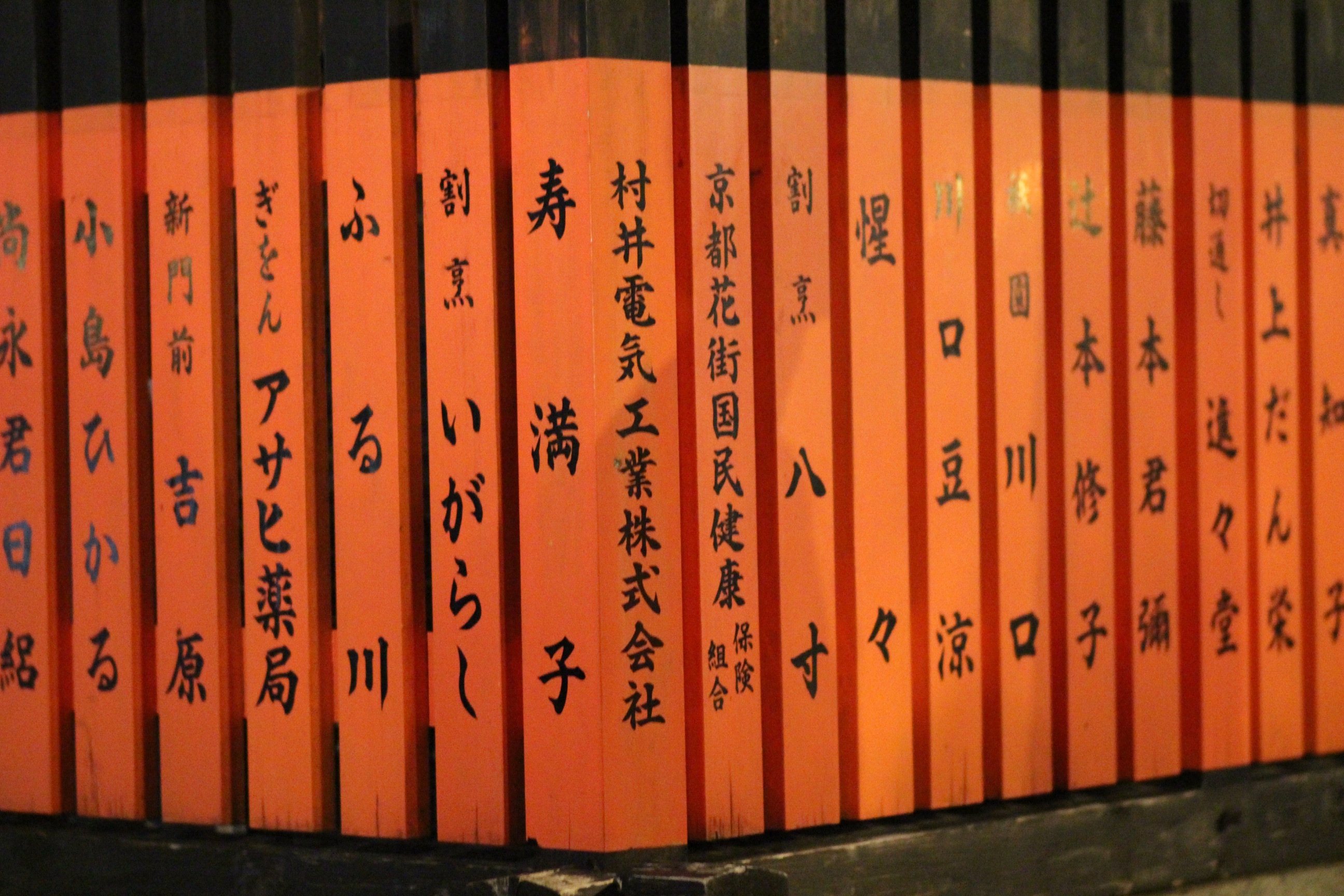
FUSHIMI SHRINE
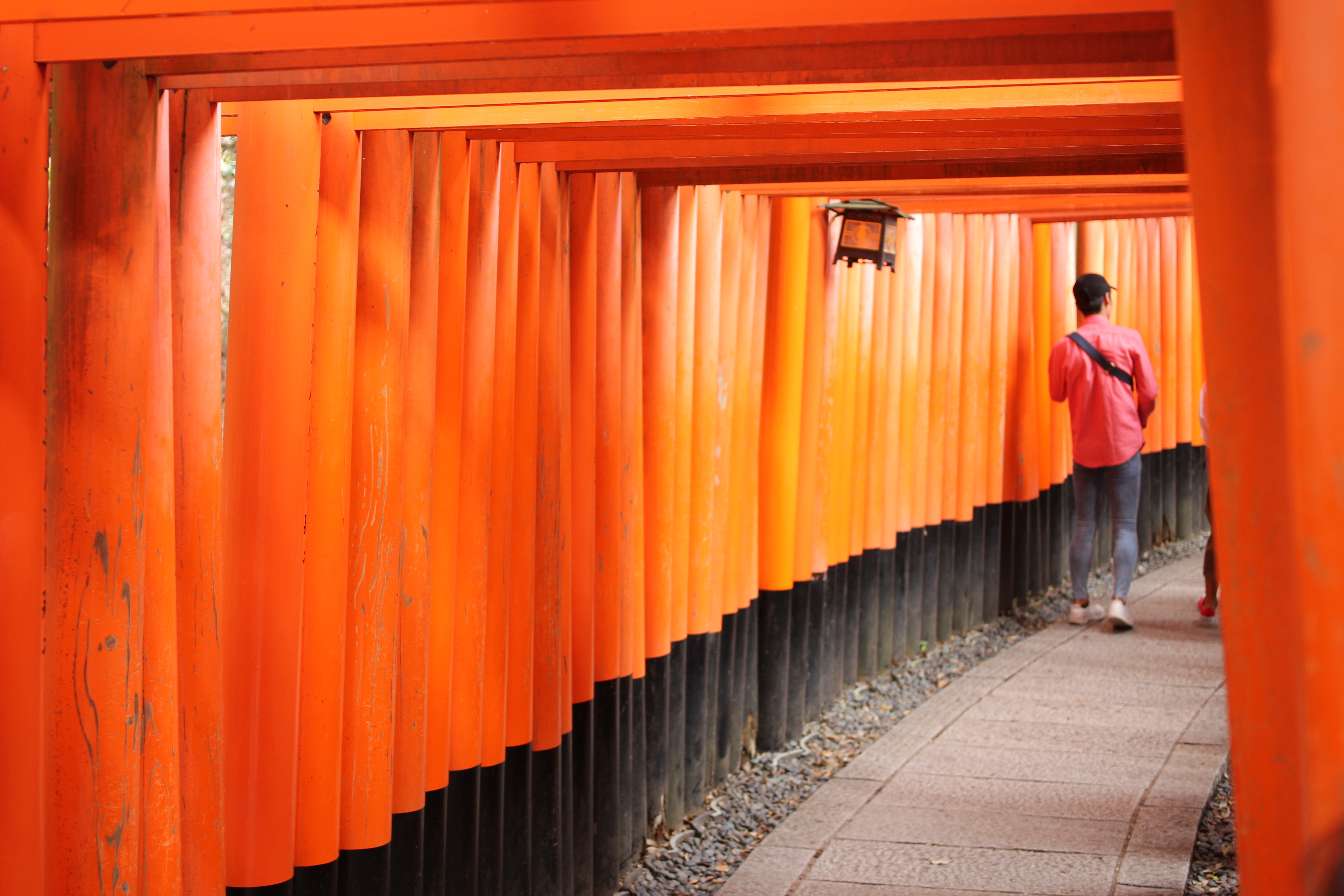
Fushimi Inari-Taisha
This important shrine complex is located in the South East of Kyoto (from Kyoto station: around 12 minutes by bike, 35 minutes by walk and 5 mins by train).
It’s famous for its thousands of Torii gates forming long corridors. Take your time to enjoy the beauty of this place with its spectacular shrine buildings and views of Kyoto.
SANJUSANGEN-DO TEMPLE
A 10 minutes bicycle ride away (or 30 minutes walk) is the Sanjūsangen-dō, a temple famous for its impressive collection of 1001 Kanon statues lined up in the main hall. Pictures are not allowed, but you can see photos online.
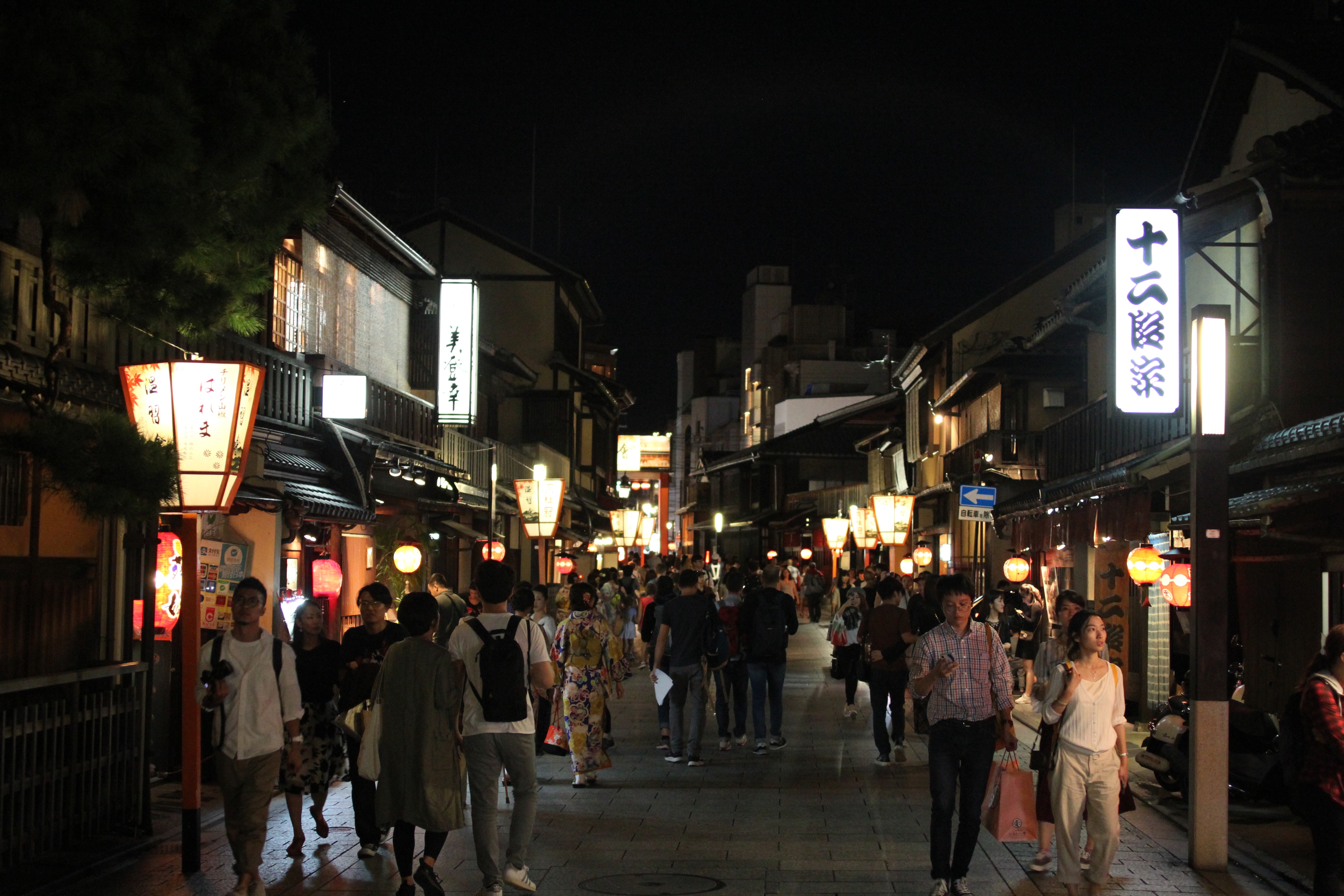
HANAMIKOJI STREET, GION
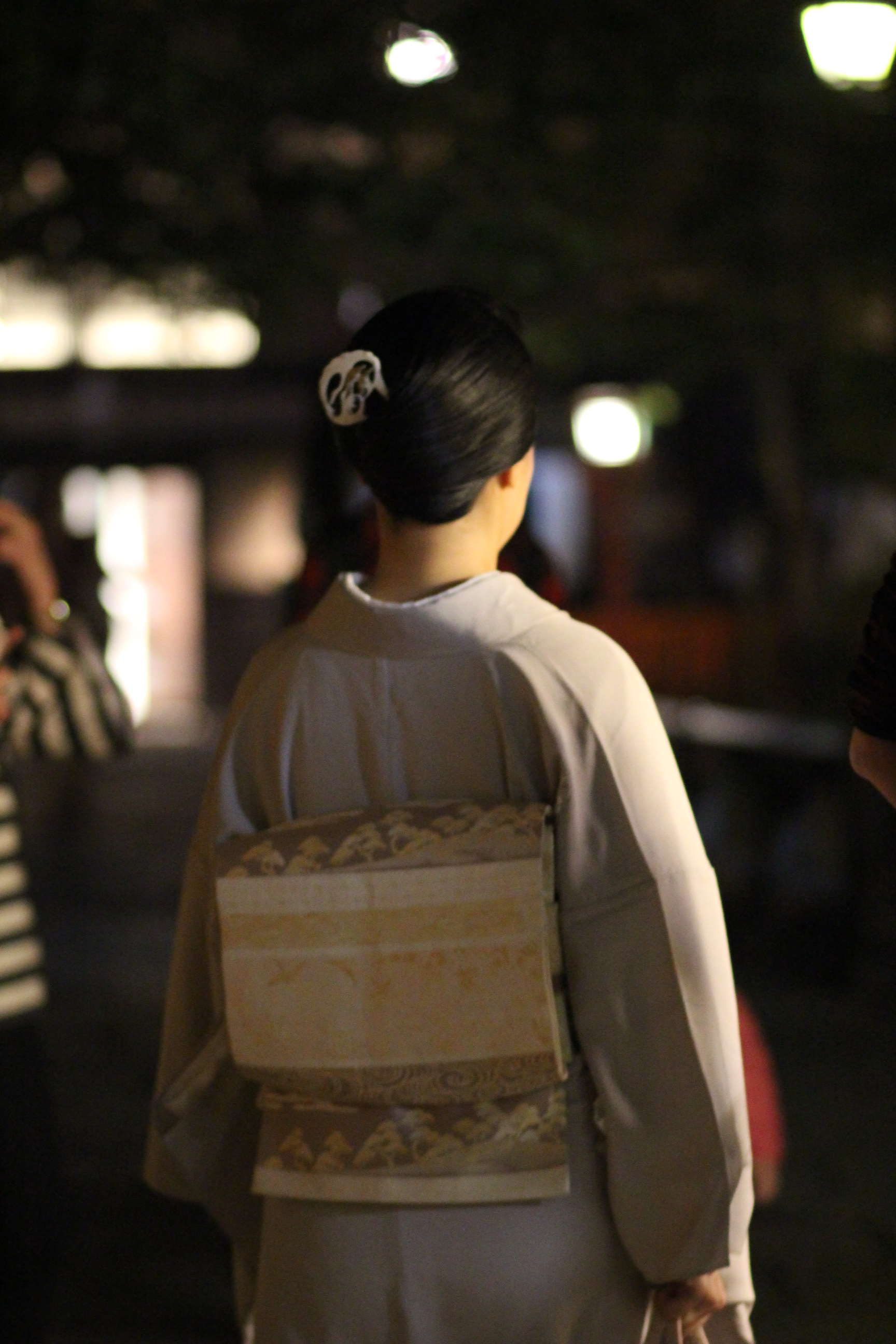
Another 10 minutes bicycle ride away (or 30 minutes walk) is one of rare streets in Kyoto with traditional architecture, called Hanamikoji Street. You might spot Geishas, also known as Geikos, while strolling in the Gion district in the evening (if you make photos, keep distance and respect).
TIP: try to arrive at opening times at the Fushimi Shrine to minimise the chance of crowds, it’s very popular.
Kyoto day visit
KYOTO
NORTH & WEST
Kinkaku-ji (aka the Golden Pavilion)
Jōjakkō-ji Temple
Ōkōchi Sansō Villa & Arashiyama Bamboo Forest
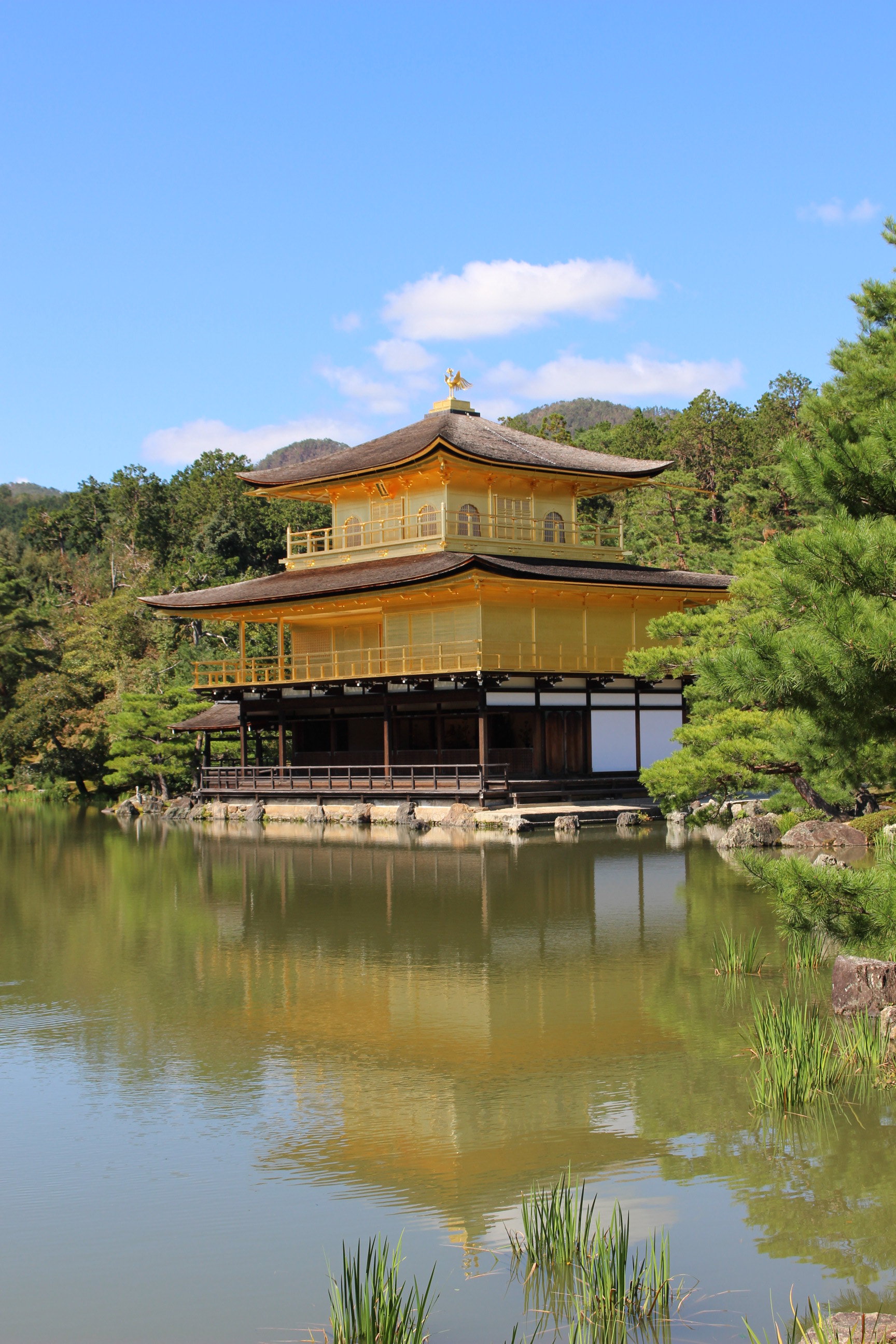
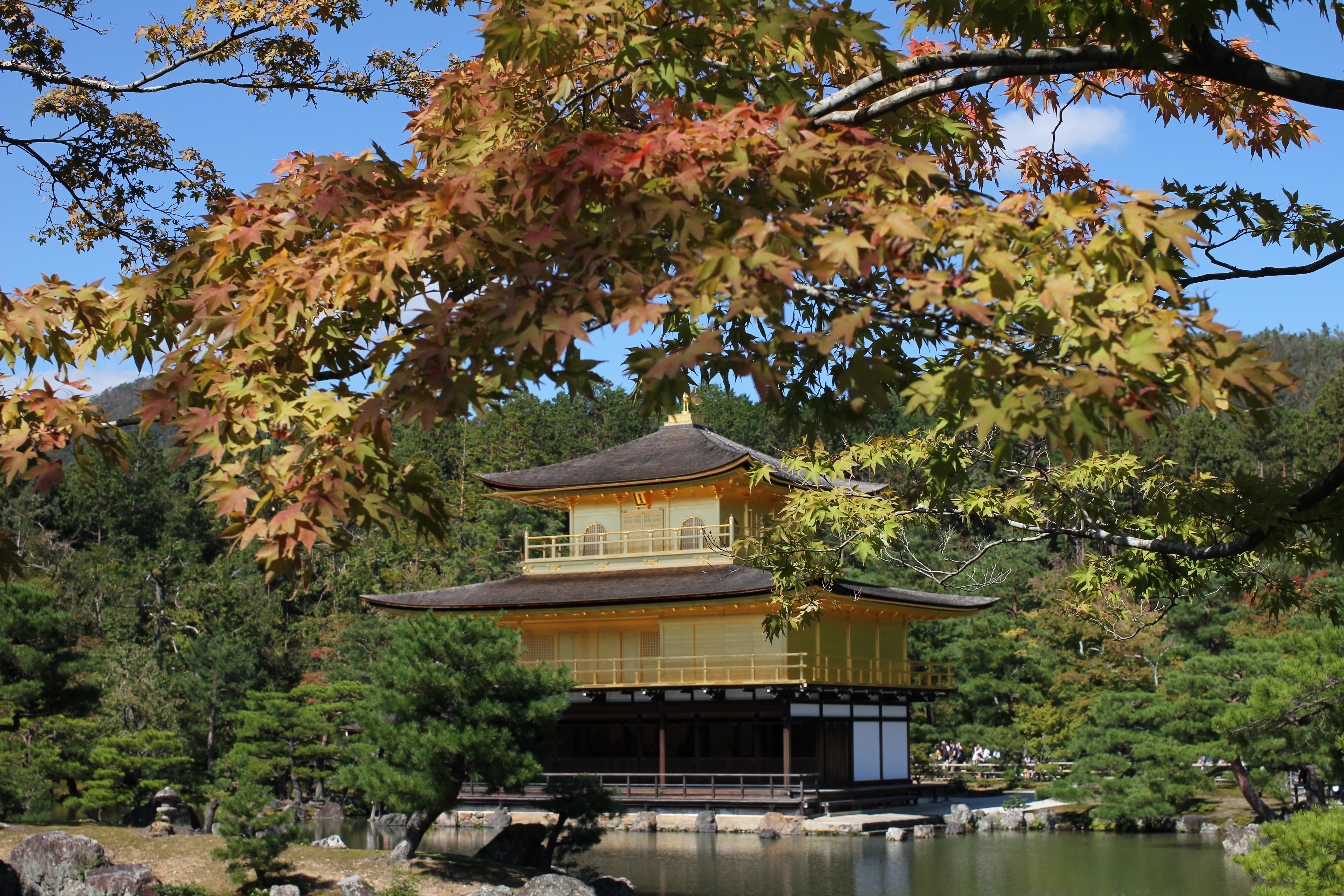
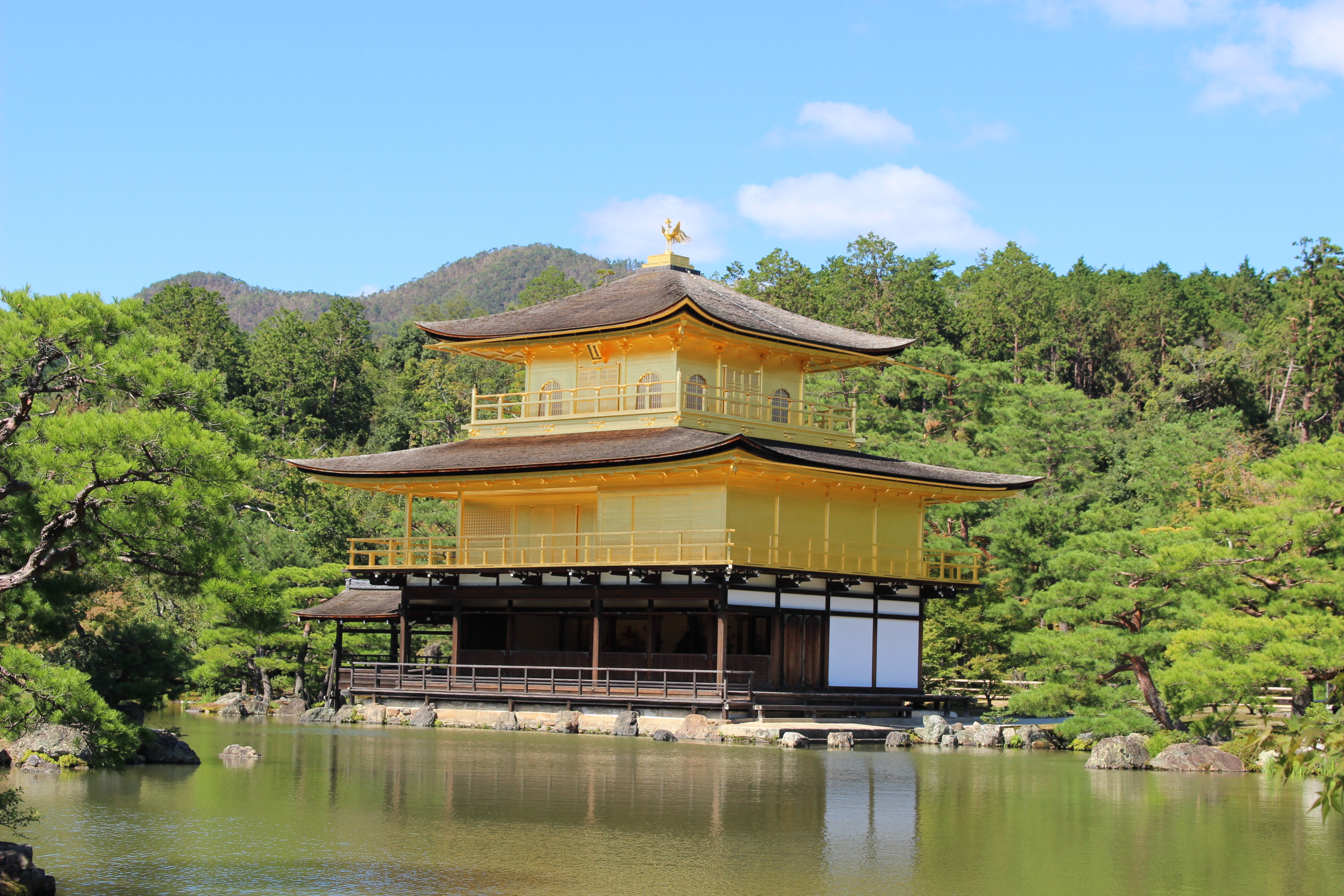
KINKAKU-JI (GOLDEN PAVILION)
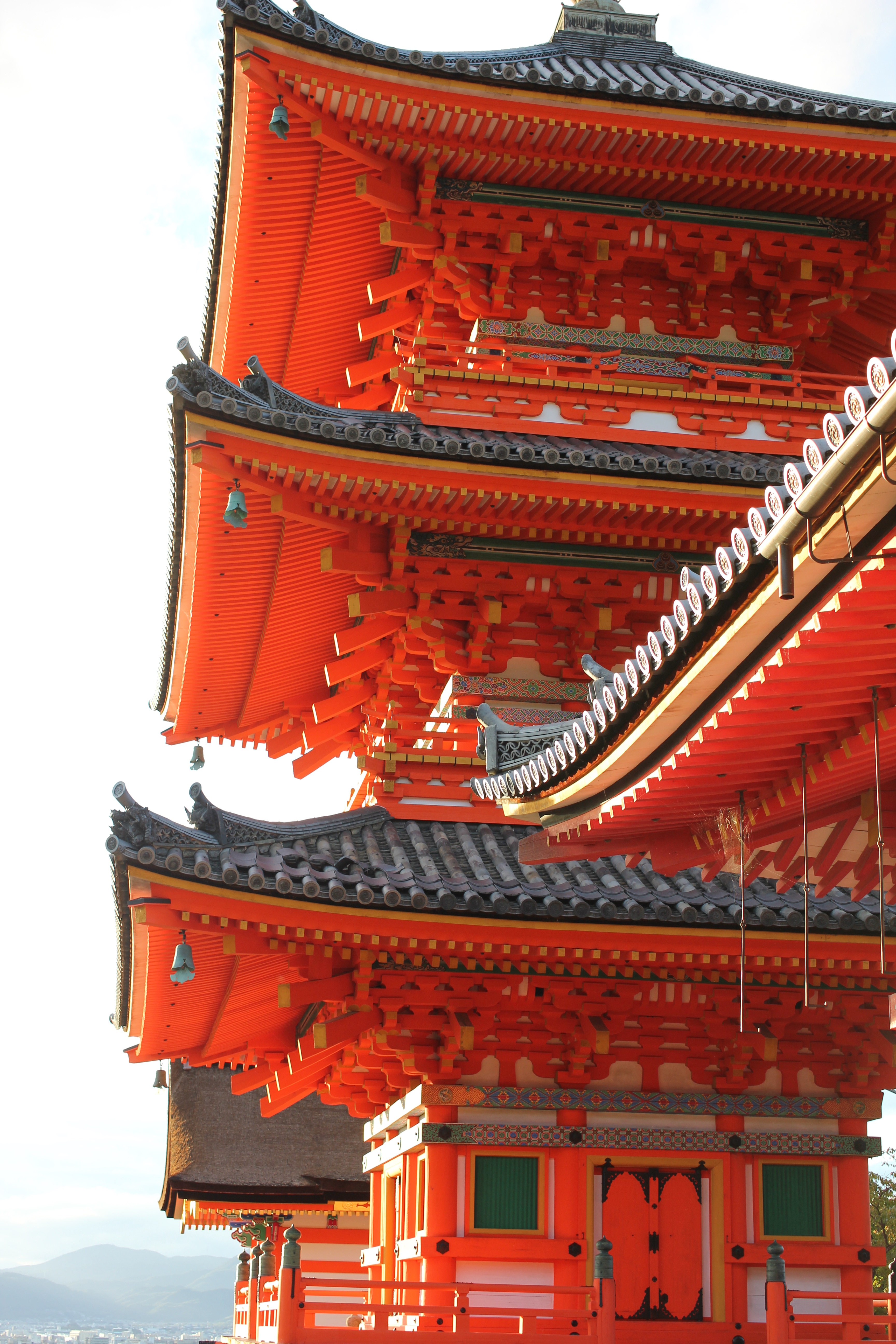
Kinkaku-ji is a Zen temple located in the North of Kyoto, around 30 mins from Kyoto station (cycling or transportation). The top two floors are covered in gold-leaf, giving it the name of Golden Pavilion. The surroundings of the temple are equally beautiful, with a pond in the foreground, forest all around it and hills in the background. More information on Japan Guide – Kinkaku-ji.
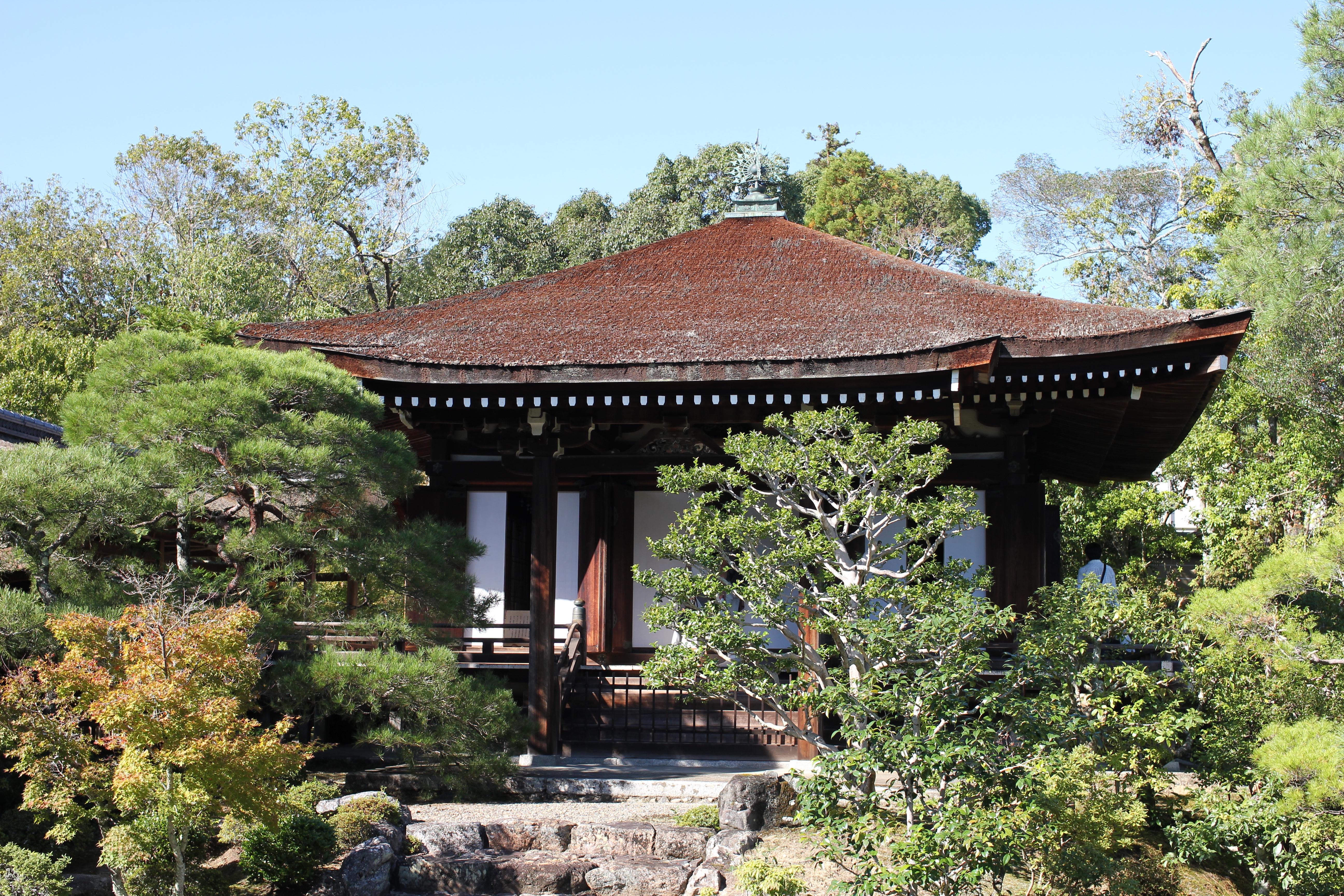
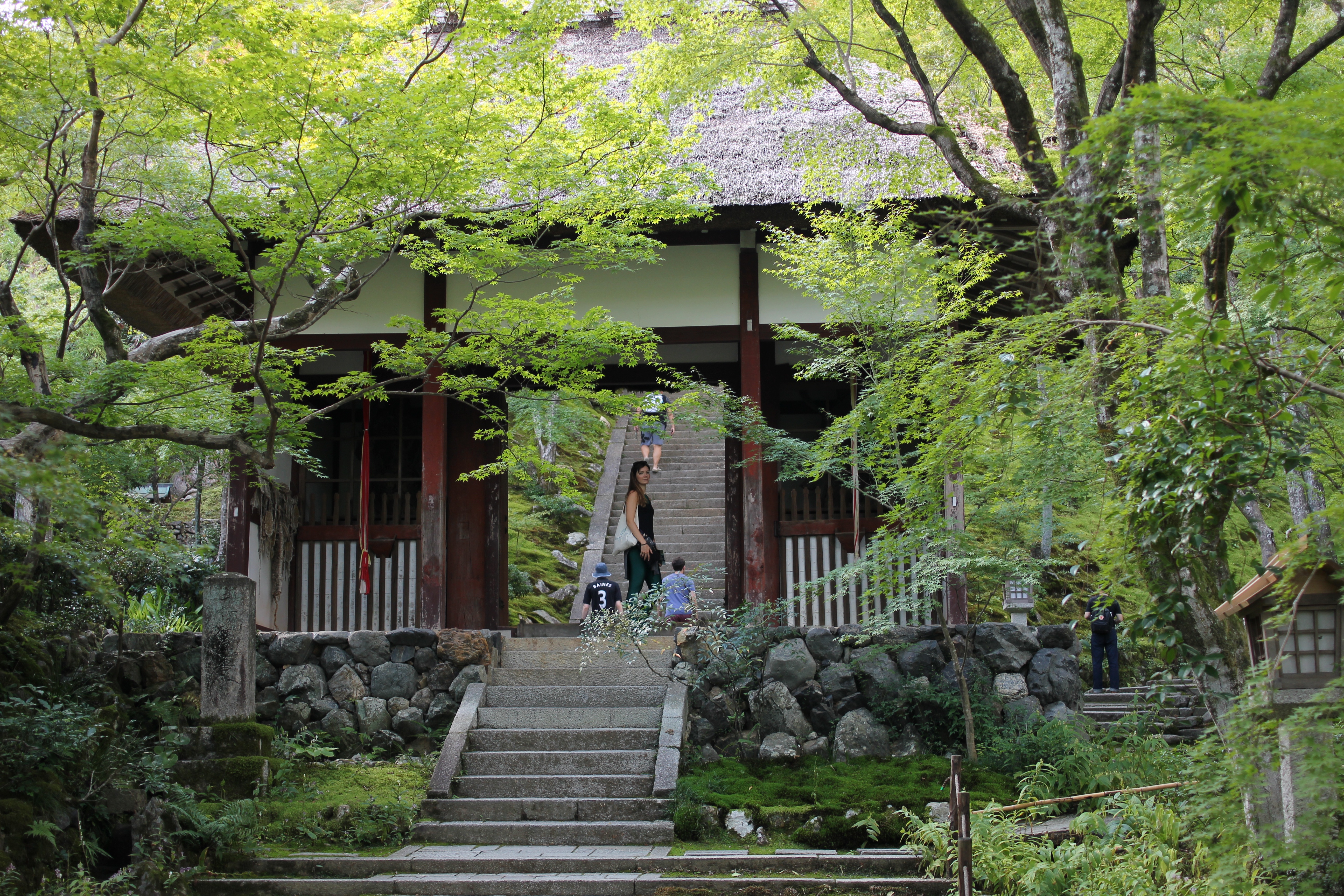
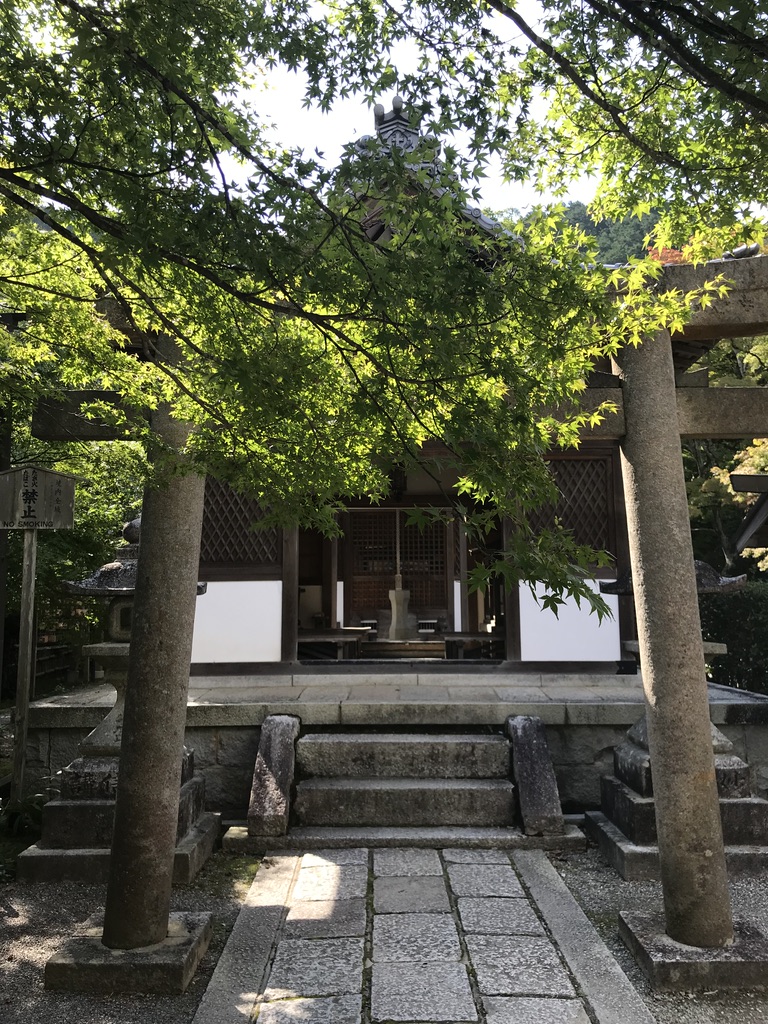
JOJAKKO-JI TEMPLE
Another 30 mins (driving or cycling) away is the Jōjakkō-ji temple, situated in Arashiyama, in the West of Kyoto.
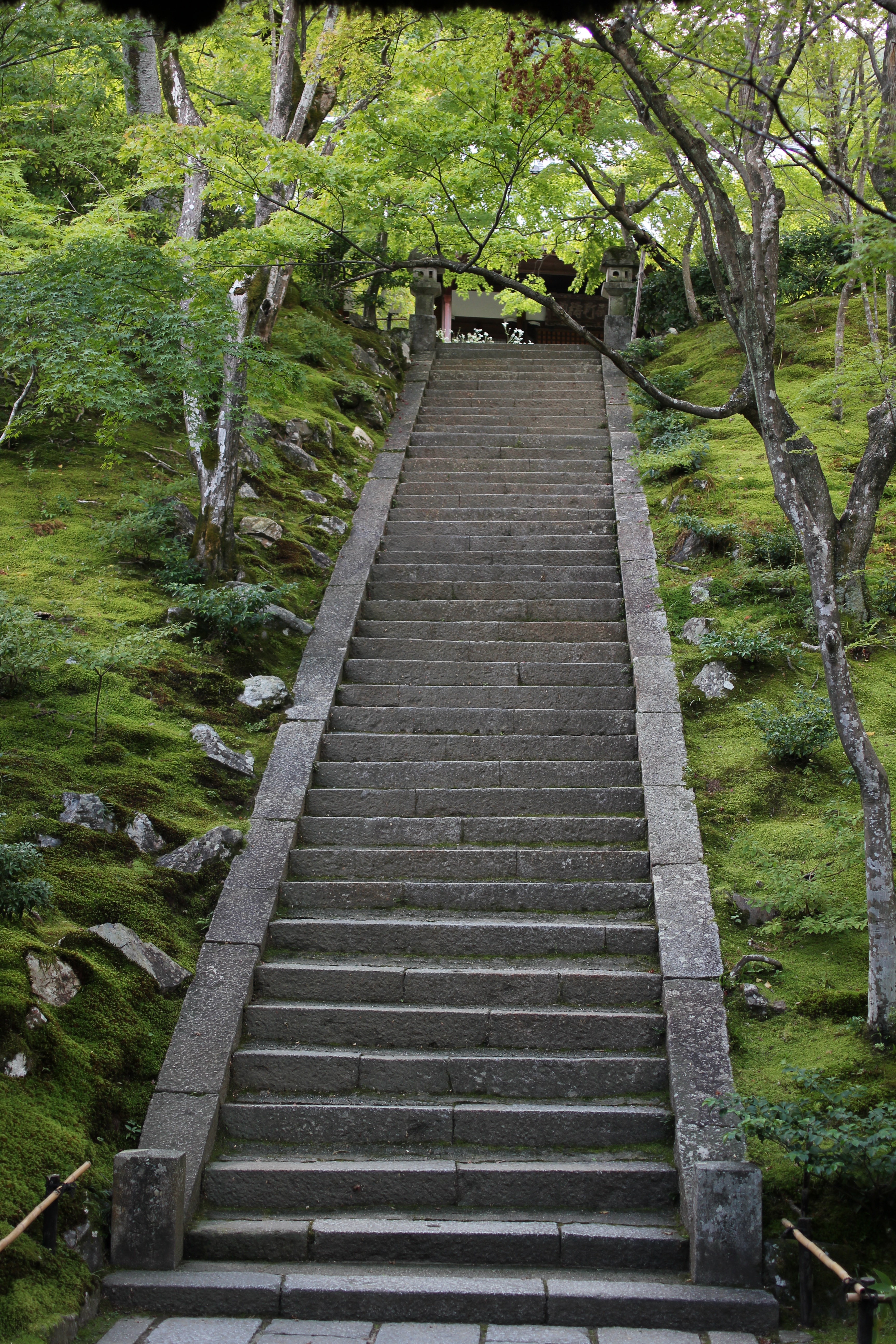
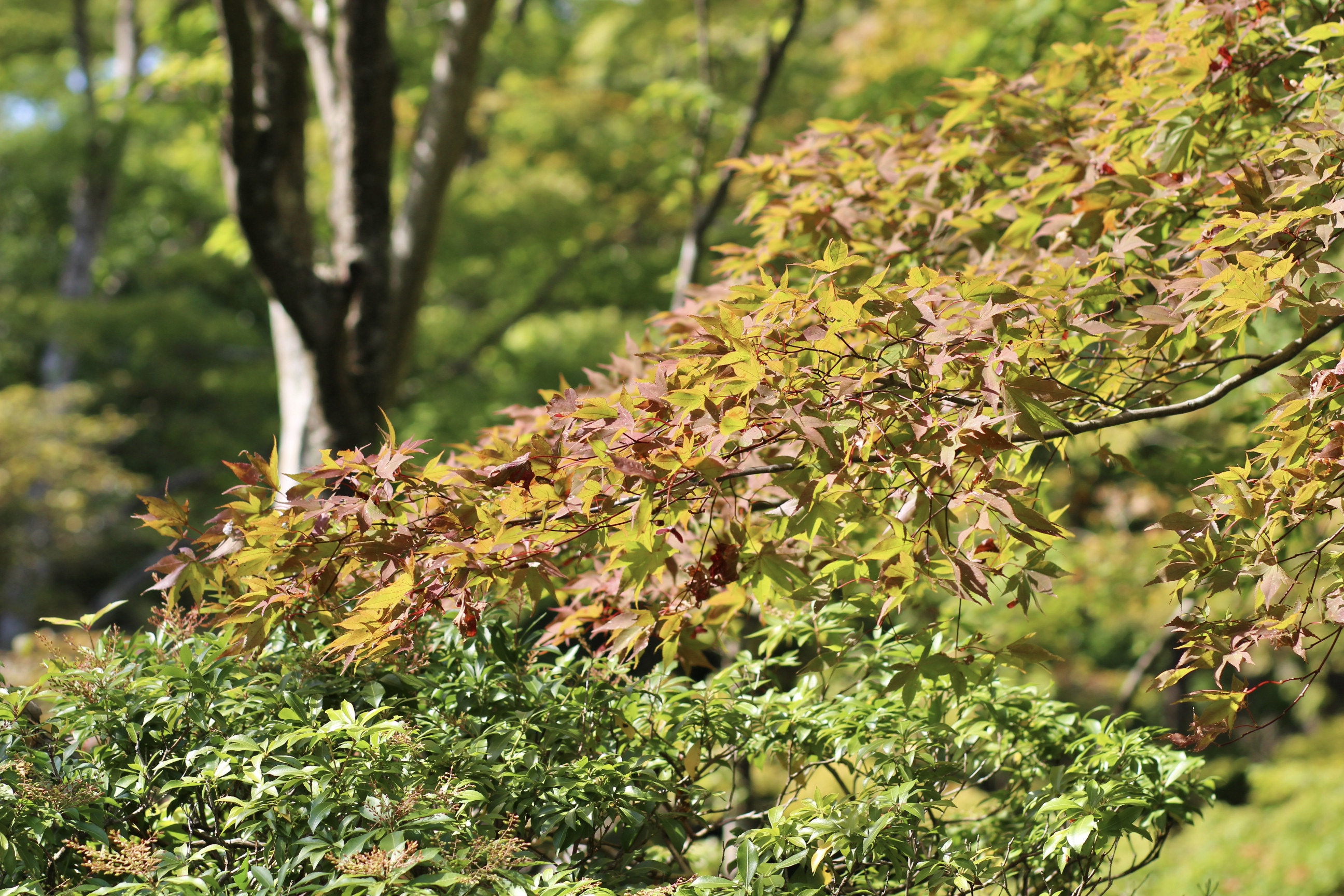
The temple is surrounded by soothing greenery, with many maple trees and moss gardens. It’s a perfect spot to enjoy a slow walk in nature and to see the colourful maple trees when it’s the autumn foliage season. We loved discovering the different parts of the temple and its gardens through the long flights of ancient stairs.
OKOCHI SANSO VILLA & ARASHIYAMA BAMBOO FOREST
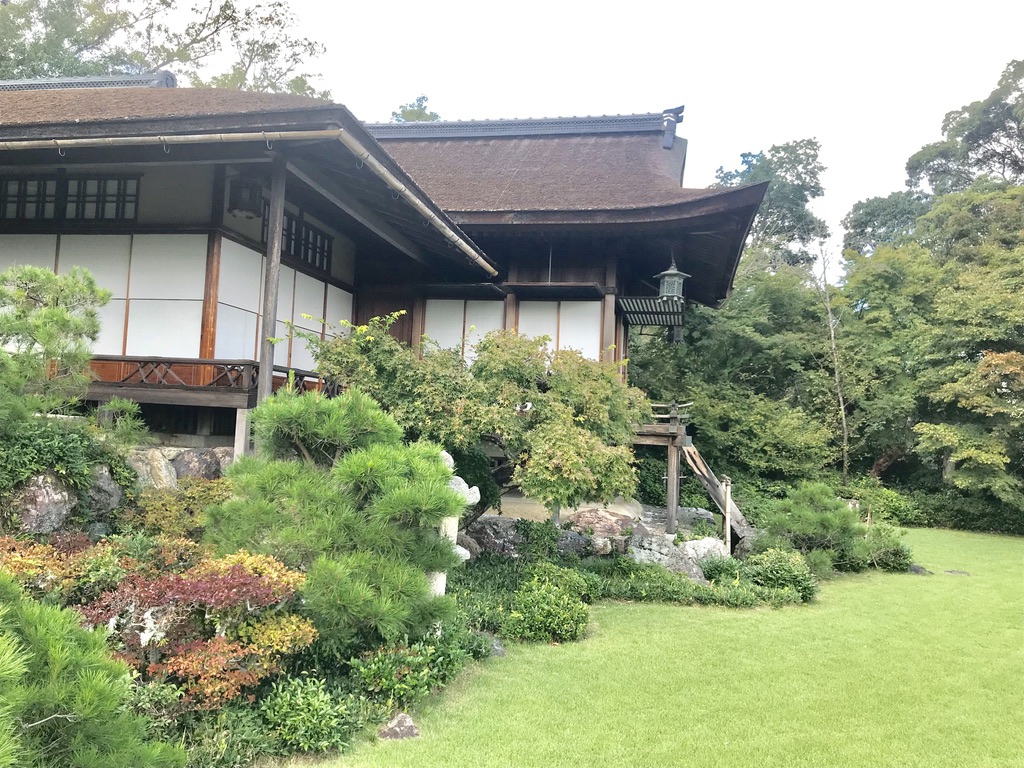
Ōkōchi Sansō is a villa built as a traditional Japanese home, with buddhist halls and gorgeous gardens.
It’s located at the end of the bamboo forests of Arashiyama, so you can visit both at once. The bamboo forest is nice to walk through to reach the villa, but we preferred the intimate bamboo grove in Kamakura. This one has large and straight stone paths creating huge openings between the giant bamboos.
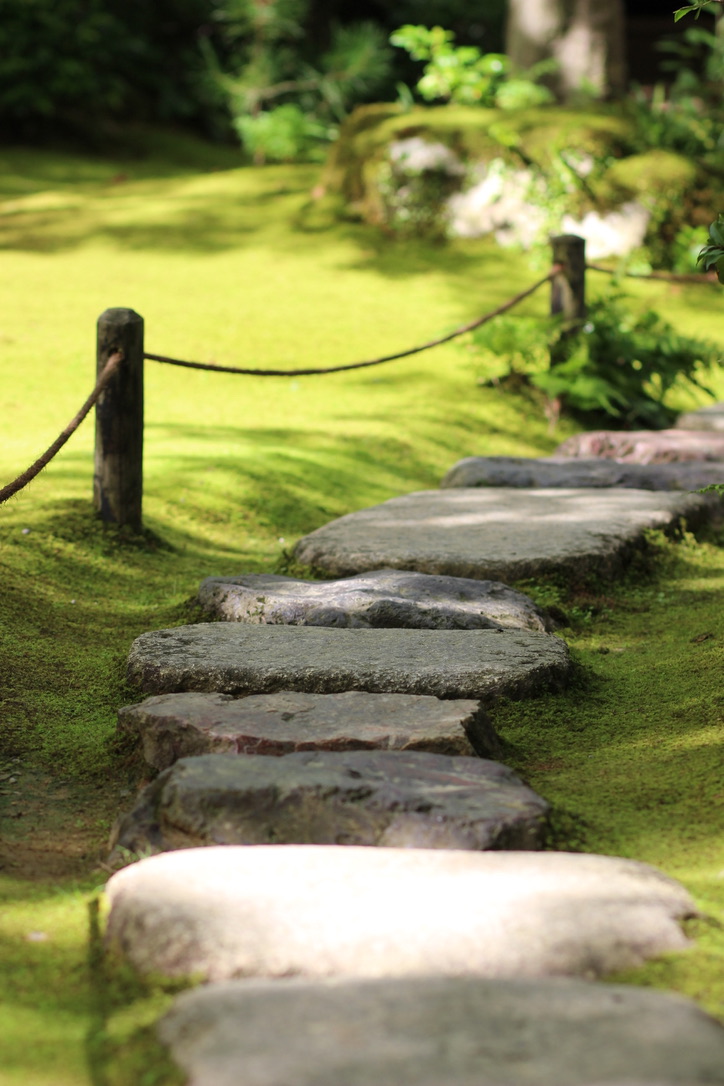
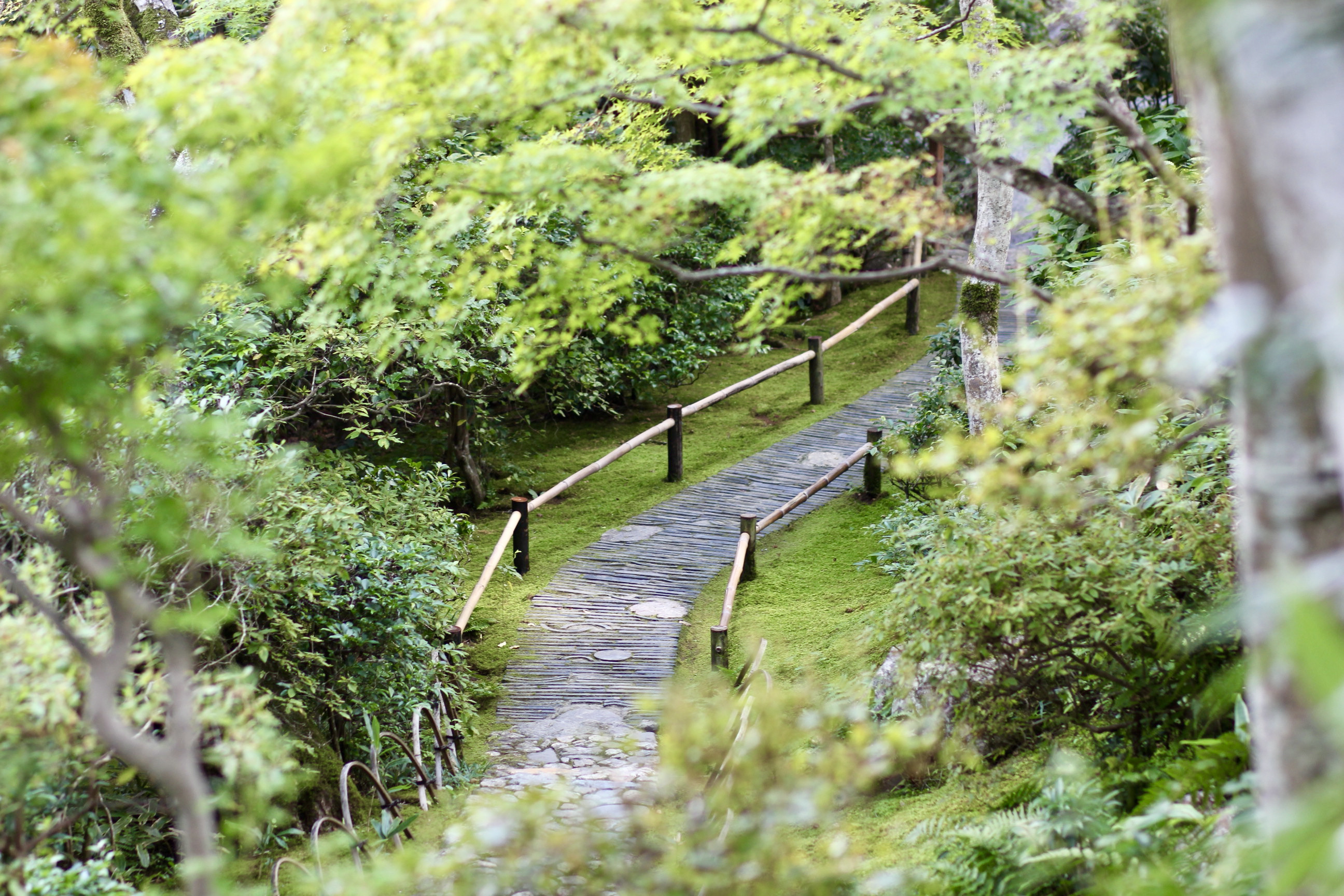
Once we arrived at the Villa, we walked on charming little paths that lead us to the different gardens and buildings of the site.
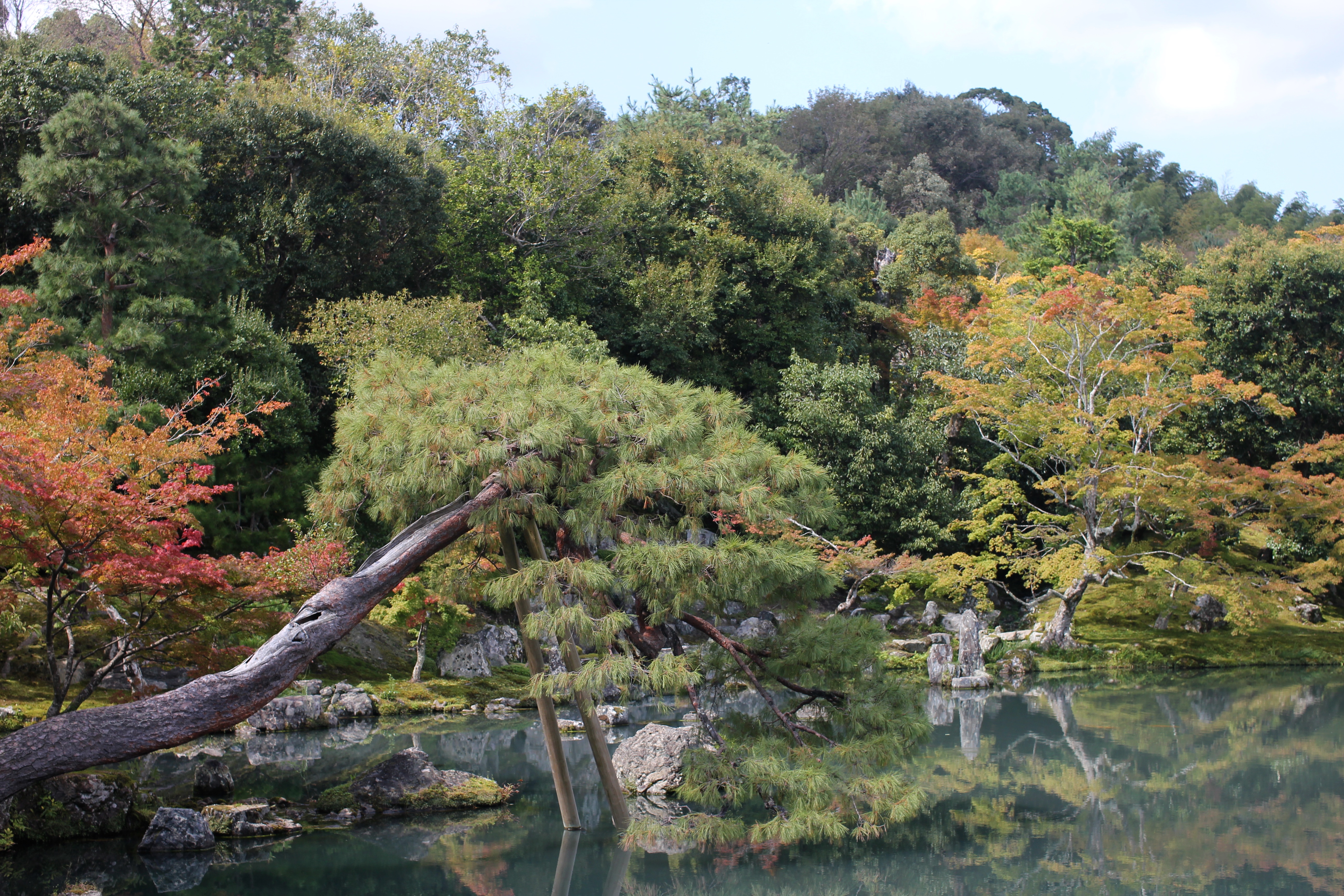
We explored the well-maintained moss gardens and the mountain gardens consisting of a variety of trees, bushes and flowers. From these gardens, you will have beautiful views of the Arashiyama mountains and Kyoto City.
TIP: same as before, try to arrive at opening time at the Golden Pavillon to enjoy your visit quietly, it gets very crowded during the day.


Kyoto day visit
KYOTO
NORTH EAST
Ginkaku-ji (aka the Silver Pavillon)
The Philosopher’s Path
Heian Shrine
Nanzen-ji Temple
GINKAKU-JI SILVER PAVILION
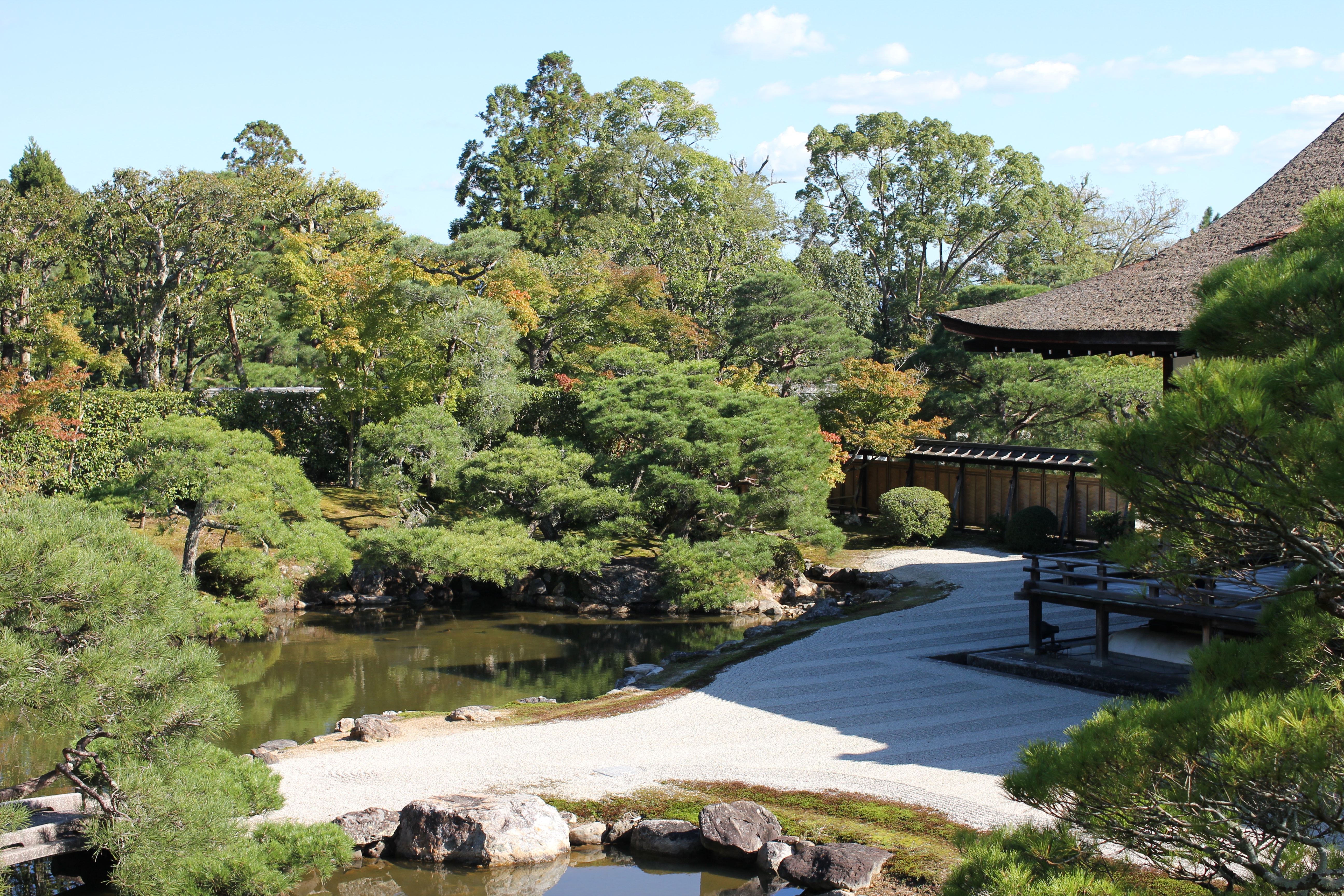
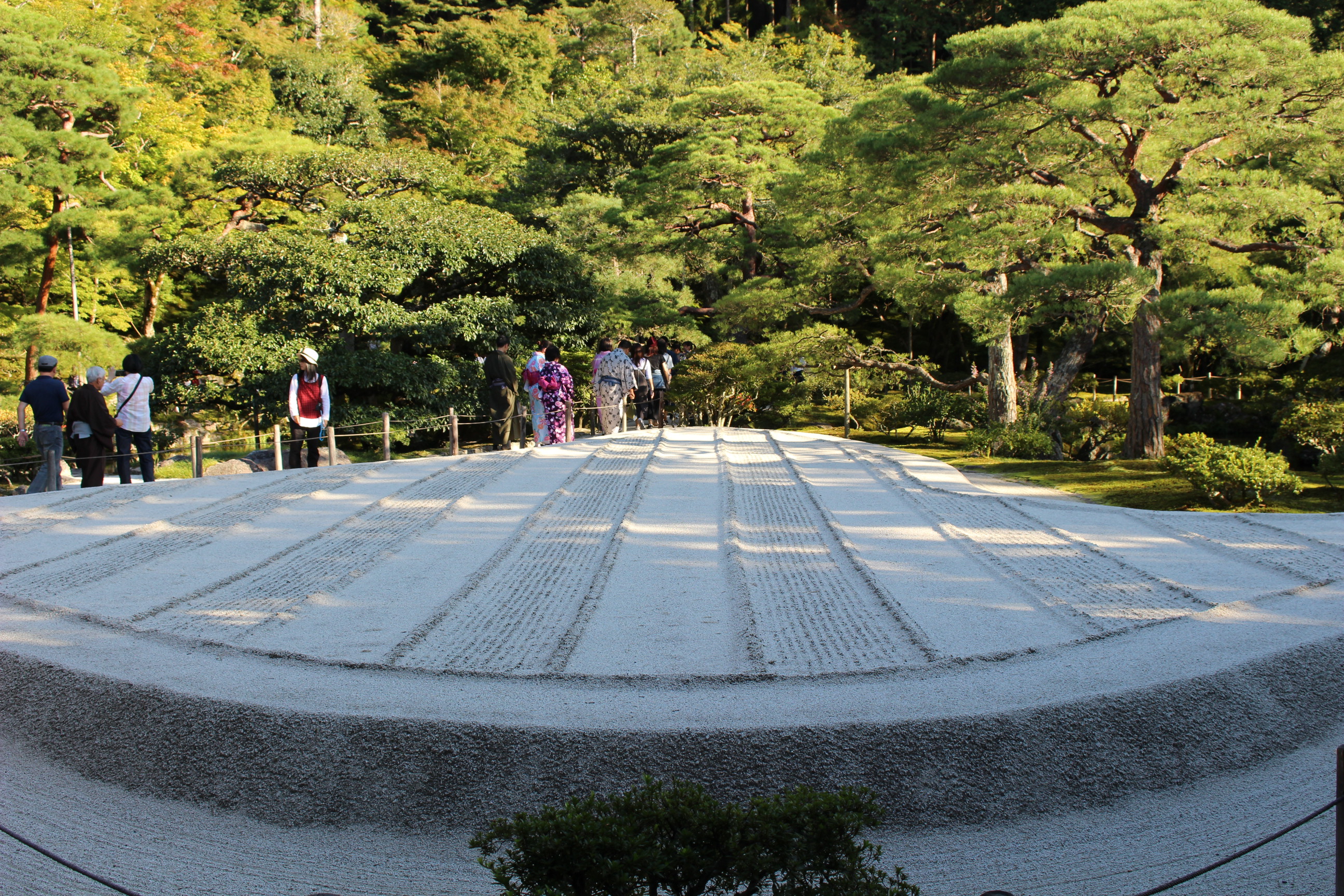
Ginkaku-ji is a Zen temple situated in the North East of Kyoto. Despite its name, it is not covered in silver. It consists of several temple buildings, a unique sand garden and a moss garden.
PHILOSOPHER’S PATH
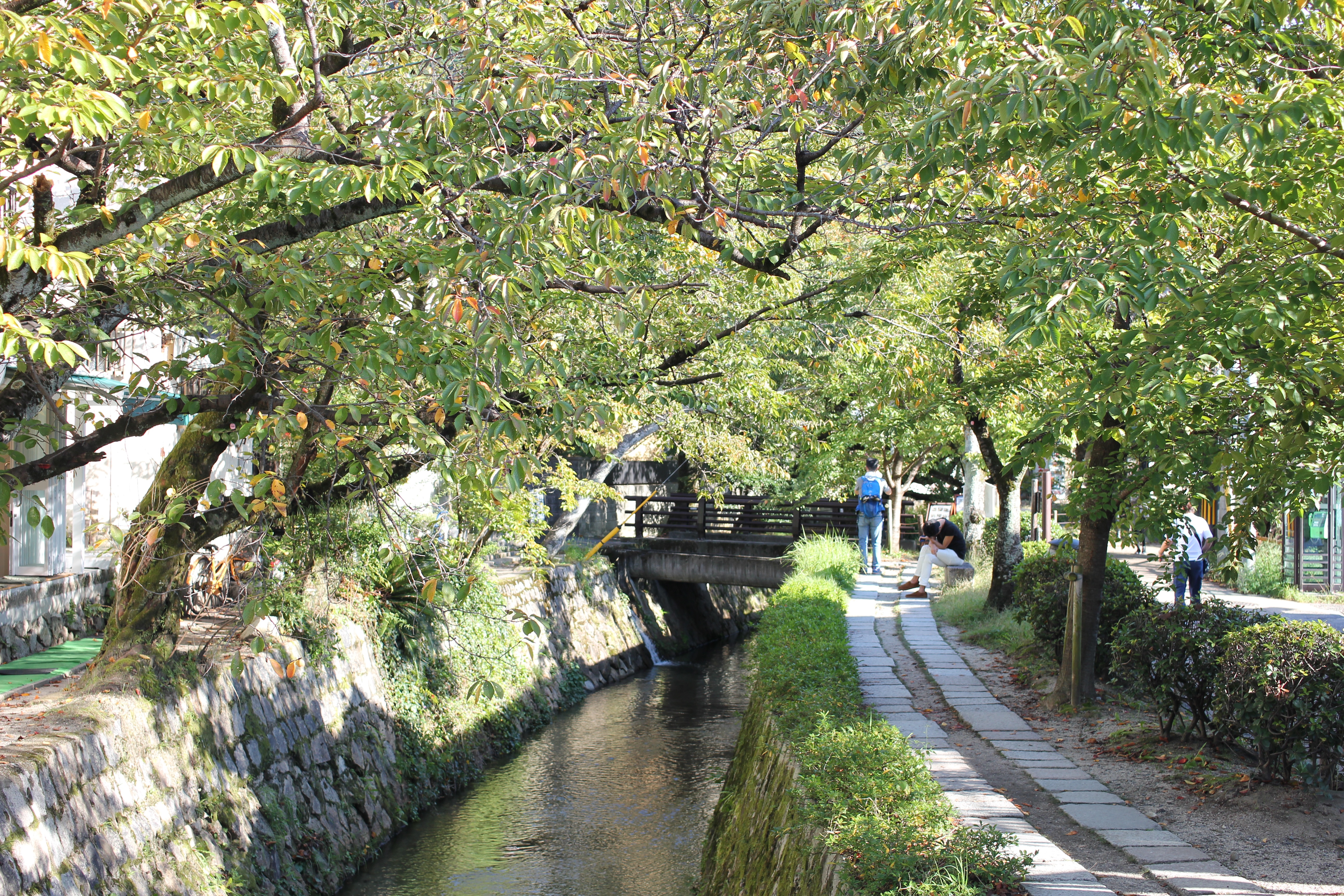
This is a tranquil stone path along a canal with hundreds of cherry trees lined up on each side of it. The path was named after one of Japan’s most famous philosophers (more information on this article from Japan Guide). We walked a part of it to go from Ginkaku-ji to our next stop, the Heian Shrine.
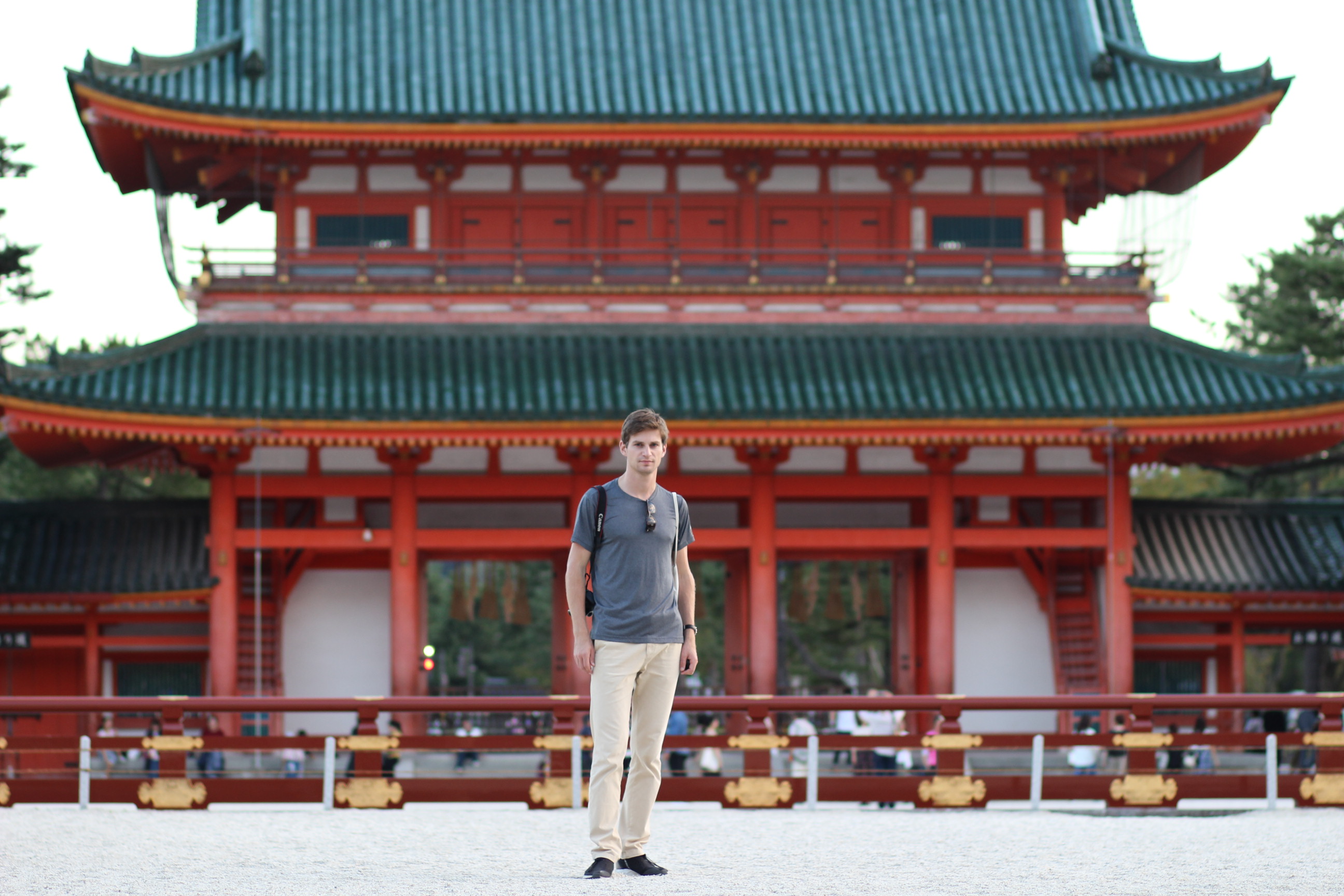
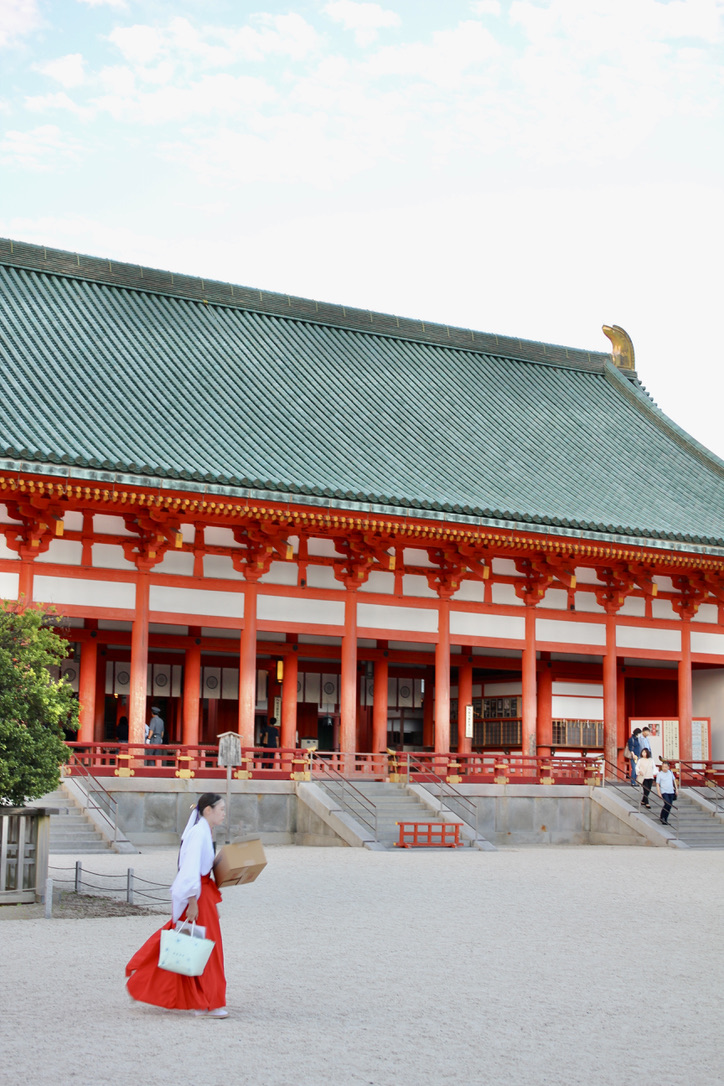
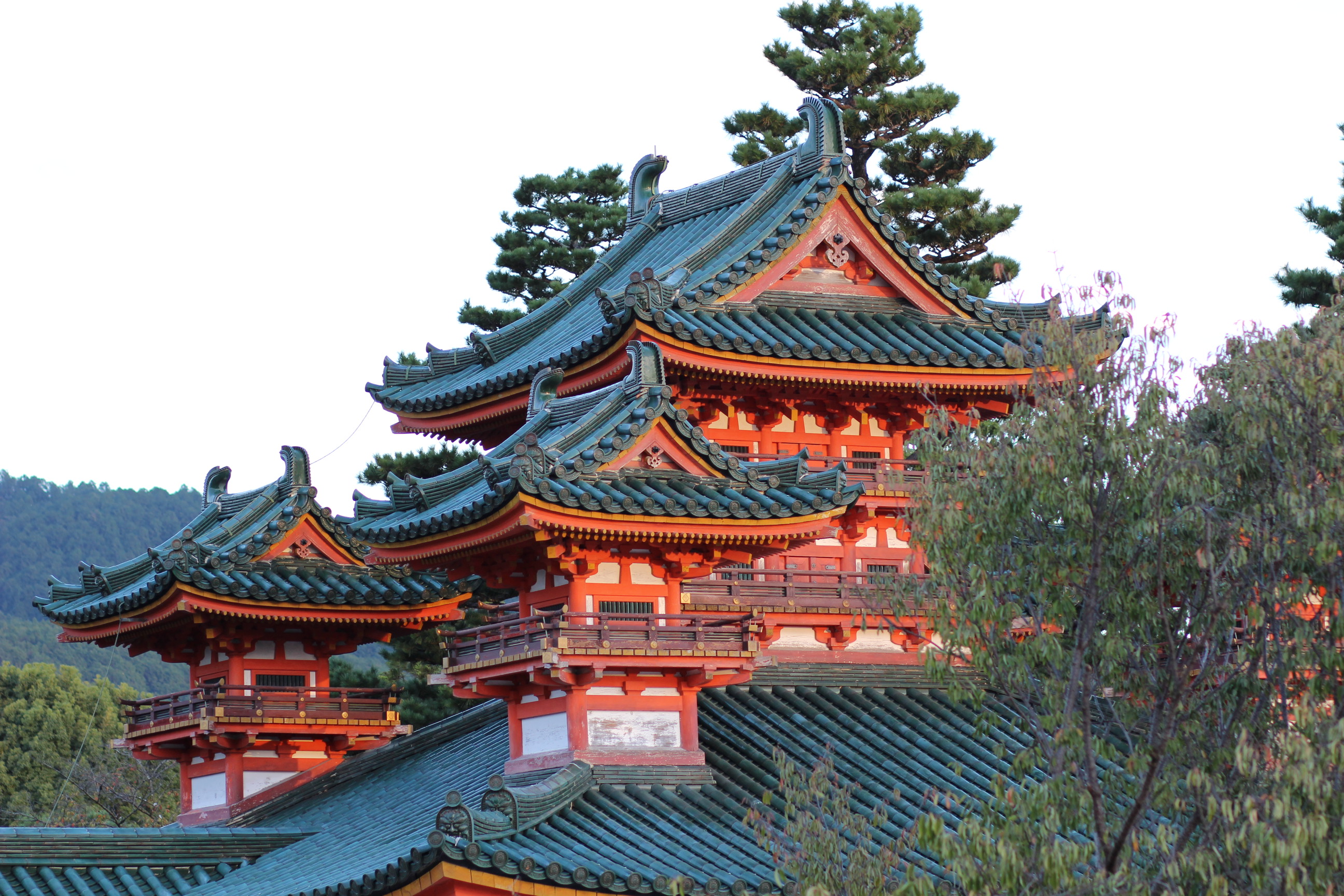
HEIAN SHRINE
Featured in the scene « Alone in Kyoto » in the movie Lost in Translation.
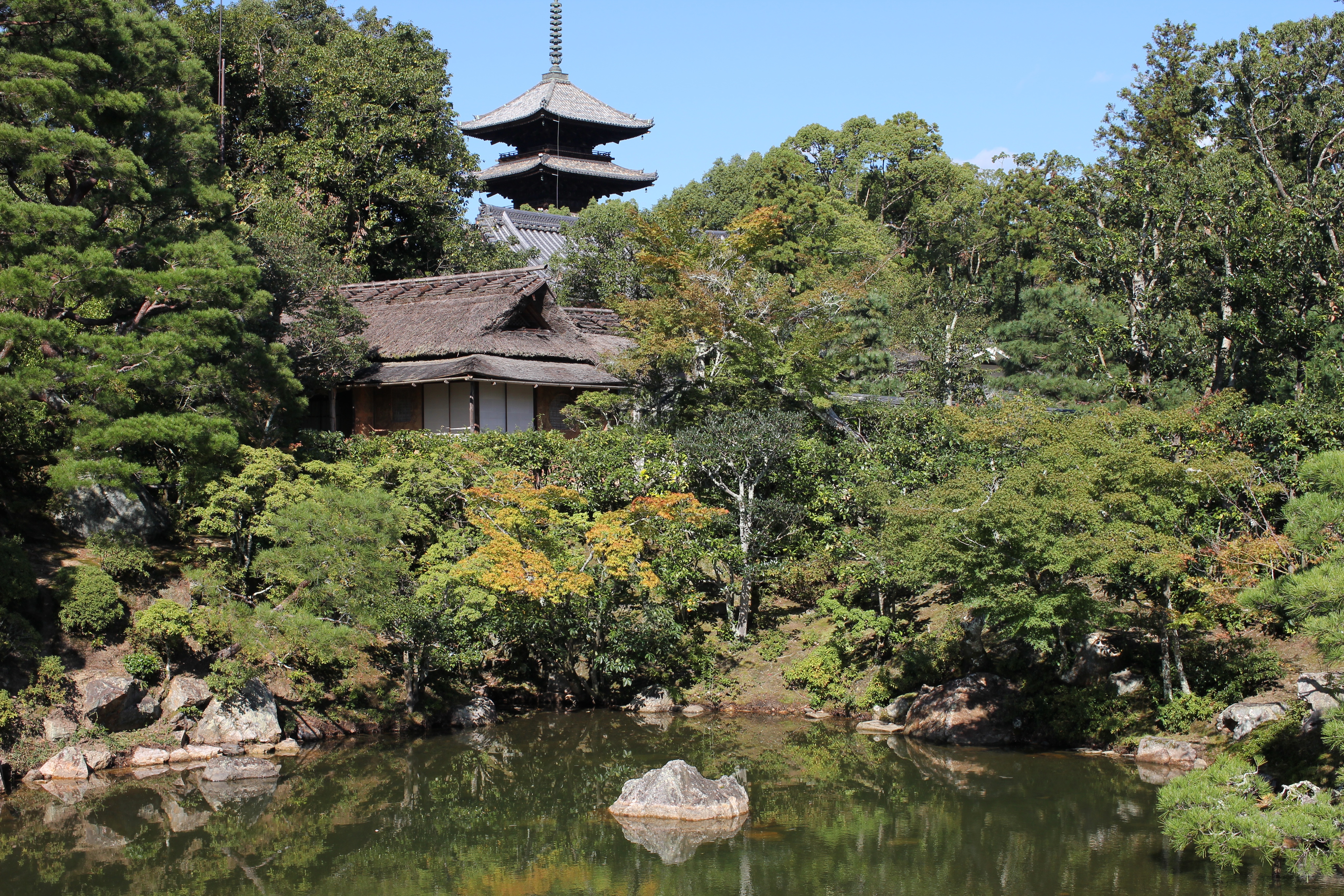
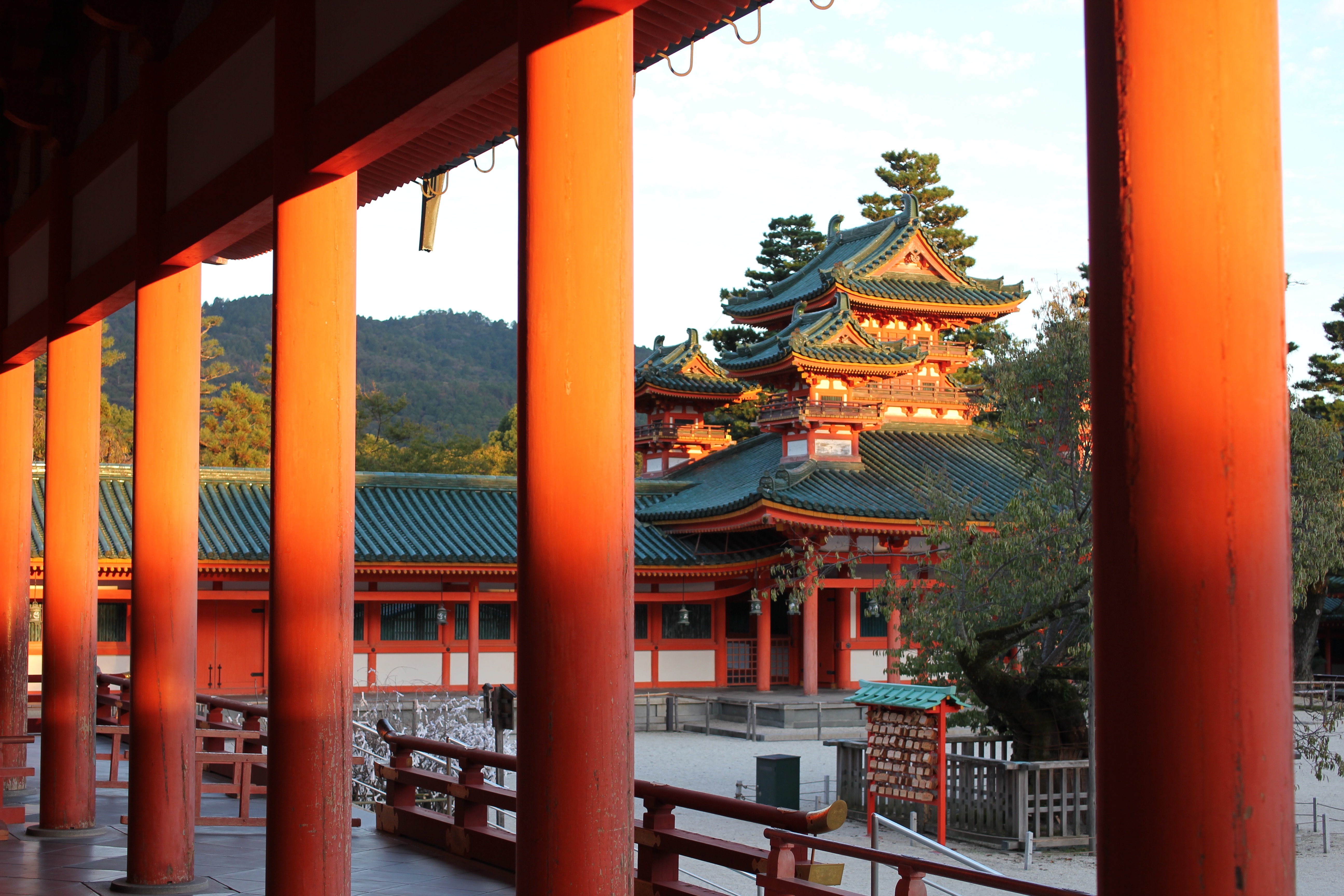
Modelled after the ancient Imperial Palace, this shrine complex has a wide central open court from which we could observe each building.
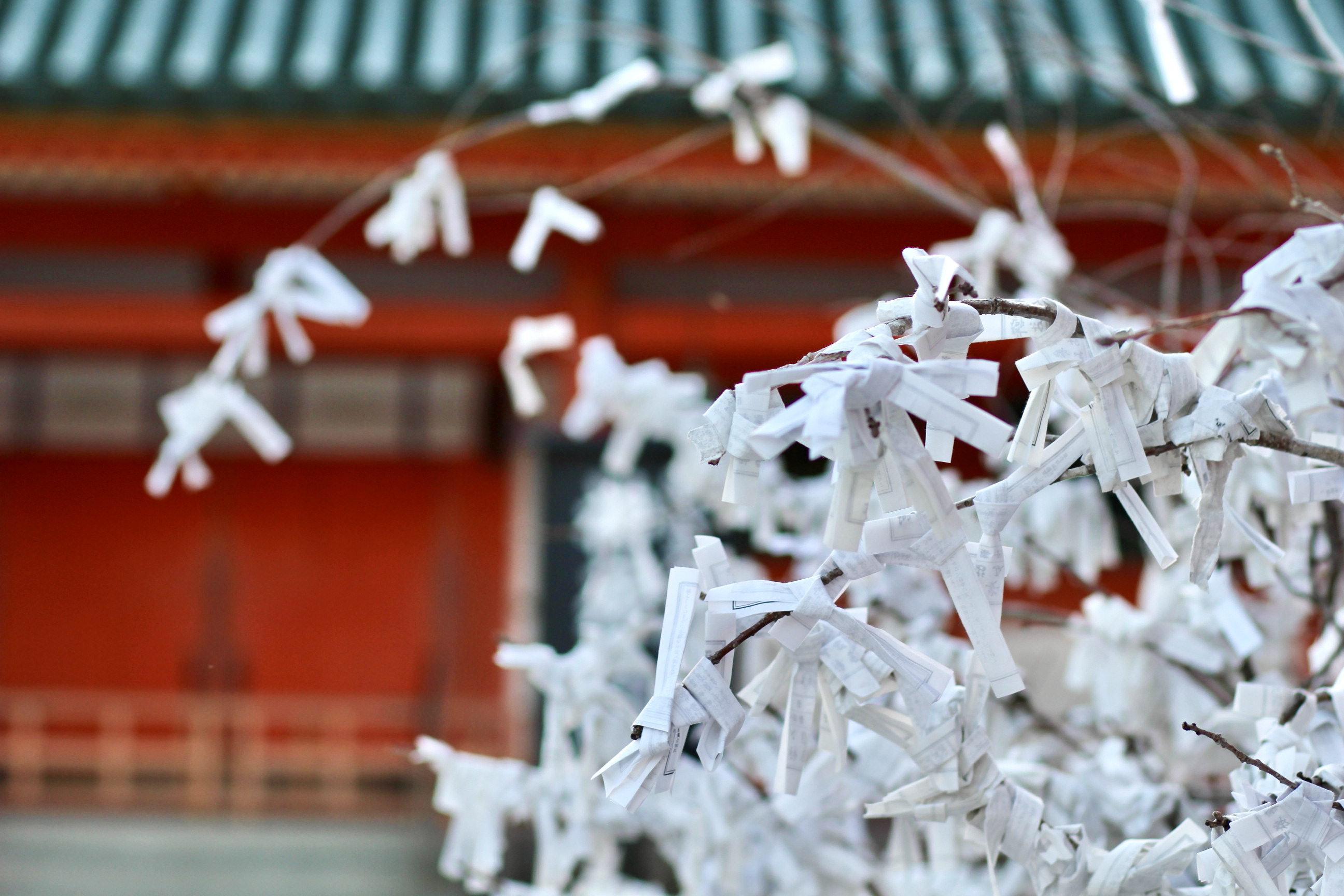
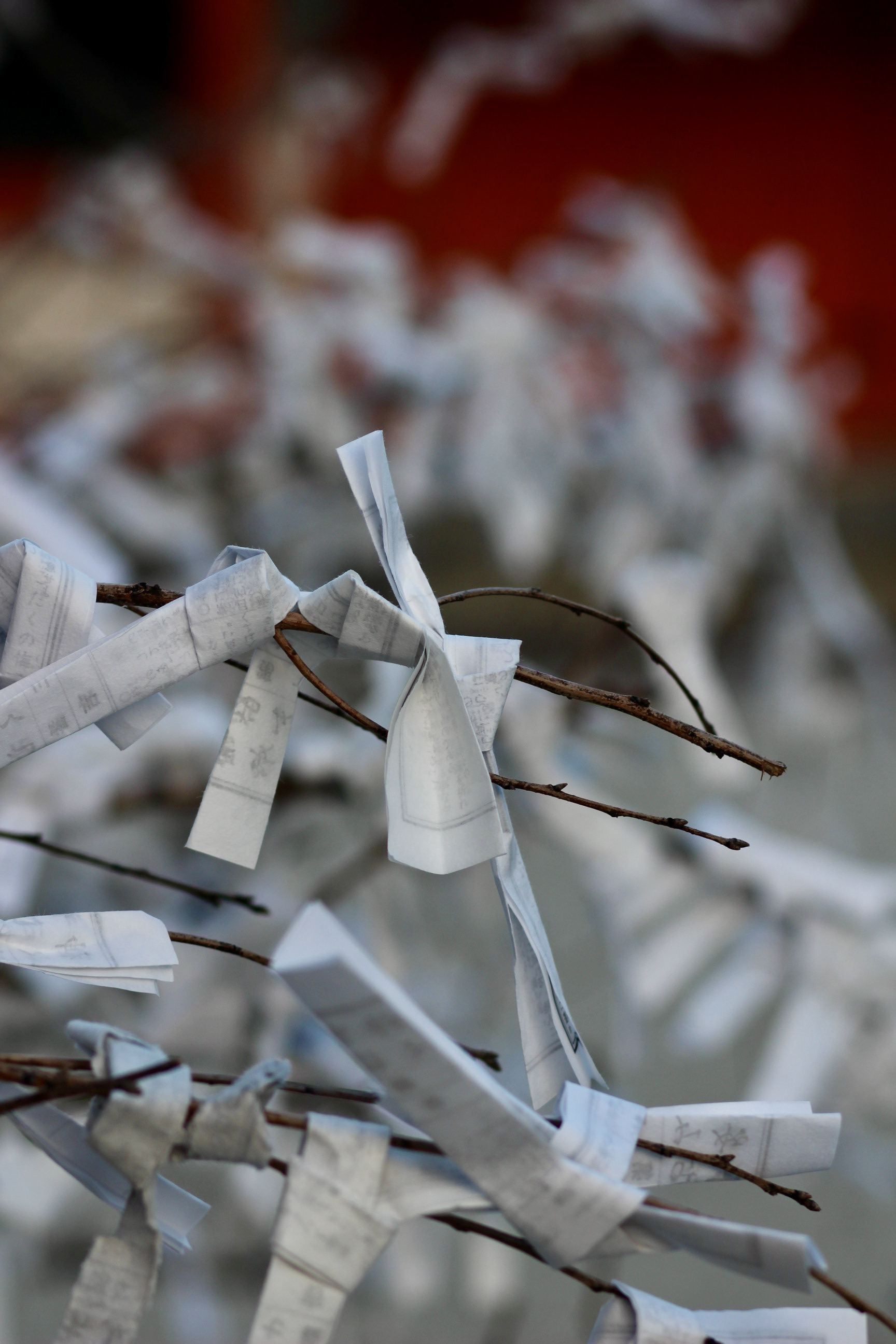
Pieces of paper are wrapped around the thin branches of some trees. These are fortune telling papers called Omikuji. When a bad luck fortune paper is randomly drawn at a shrine or temple, the person ties it around a tree’s branch to leave the bad fortune behind (source: Japan Guide) .
The Heian Shrine also has a paid garden with a variety of plants, ponds and cherry trees. It is said to be one of the best place in Kyoto to see the cherry blossom.
NANZEN-JI TEMPLE
Featured in the scene « Alone in Kyoto » in the movie Lost in Translation.
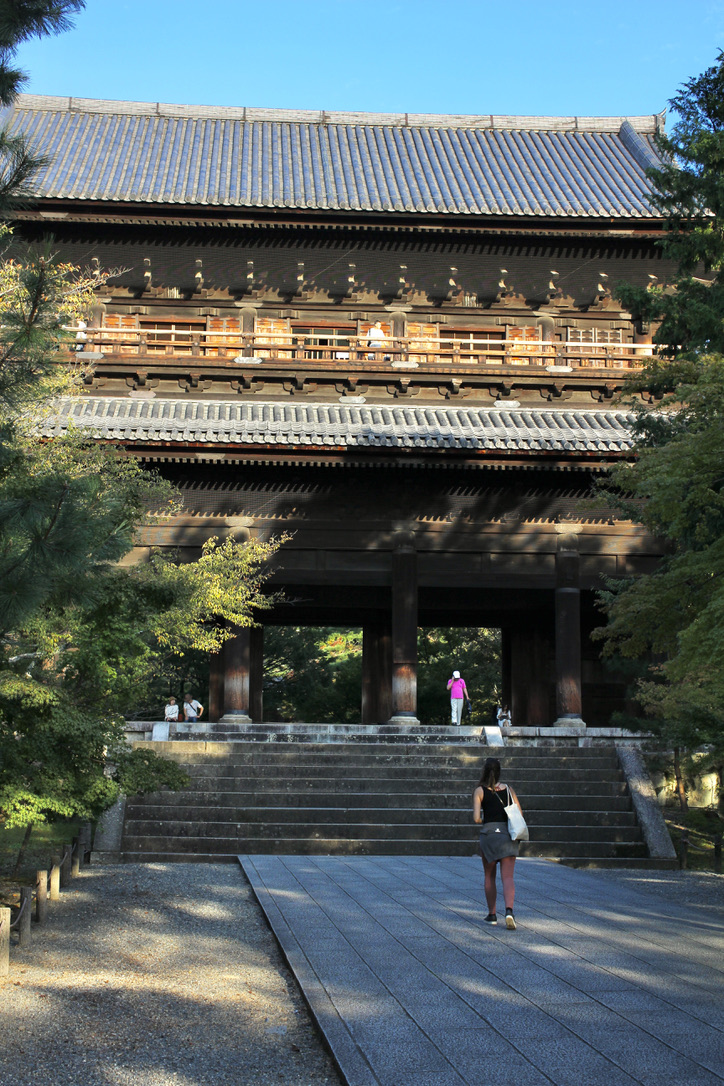
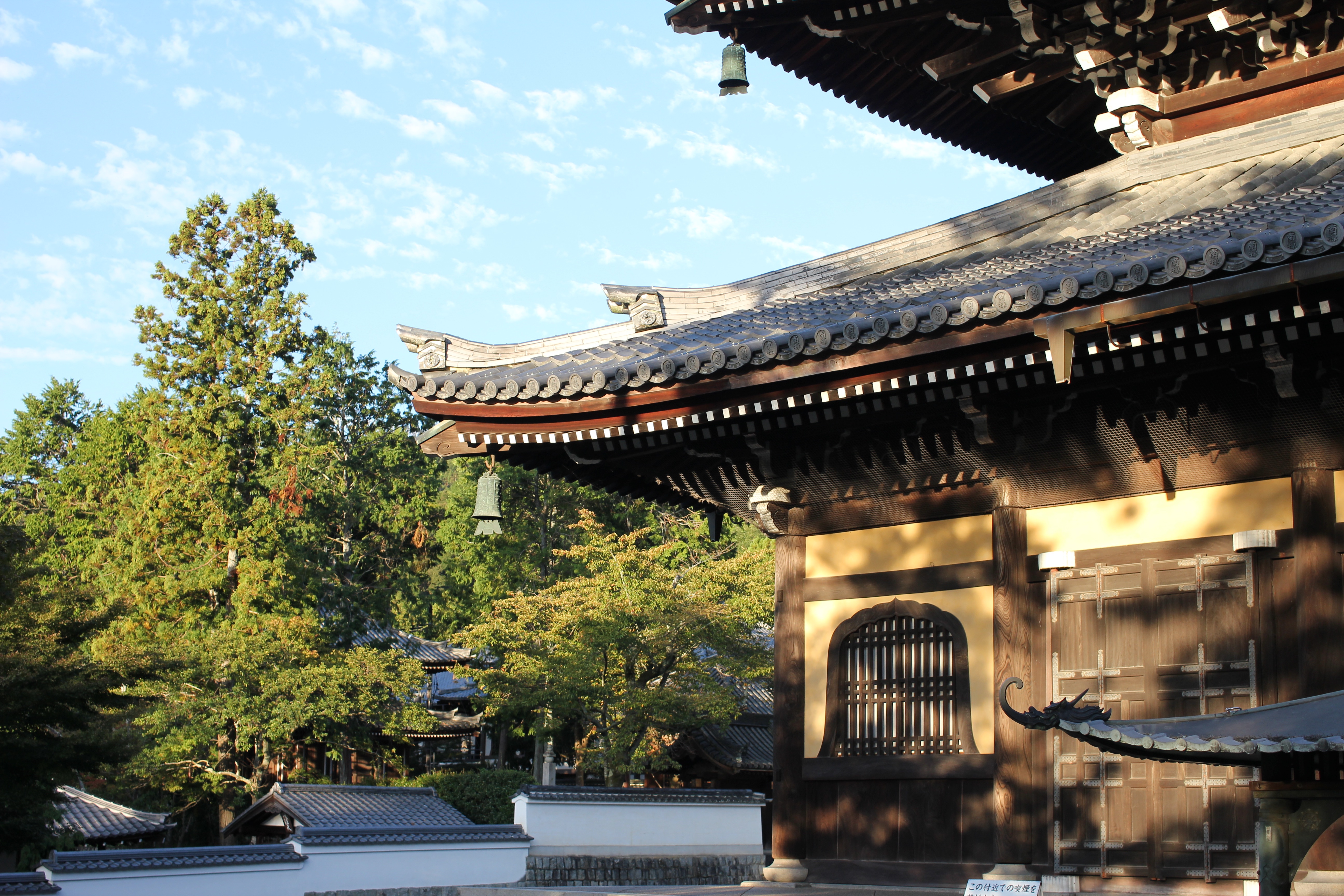
Nanzen-ji is a Zen temple with a massive elevated entrance gate and a pond garden, with the famous stepping stones to cross over it.
TIP: visit Heian Shrine one hour before closing time to get fewer crowds and visit the entire site during the golden hours of sunset. We got there a bit too late and the garden was already closed.

Not worth visiting in our opinion:
NiJO-JO: Nijo castle with an architecture from Japan’s feudal era.
Ryoan-ji: famous for its rock garden, we personally preferred other rock/sand gardens.
Kyoto gosho: kyoto Imperial Palace.
4 DAYS
OSAKA AND AROUND
We took a train from Kyoto and arrived in Osaka within 20 minutes. We did this trip in the morning so we could drop our bags in our hotel near Osaka train station and explore Nara and Osaka for the rest of the day.
Osaka day visit
OSAKA
& NARA
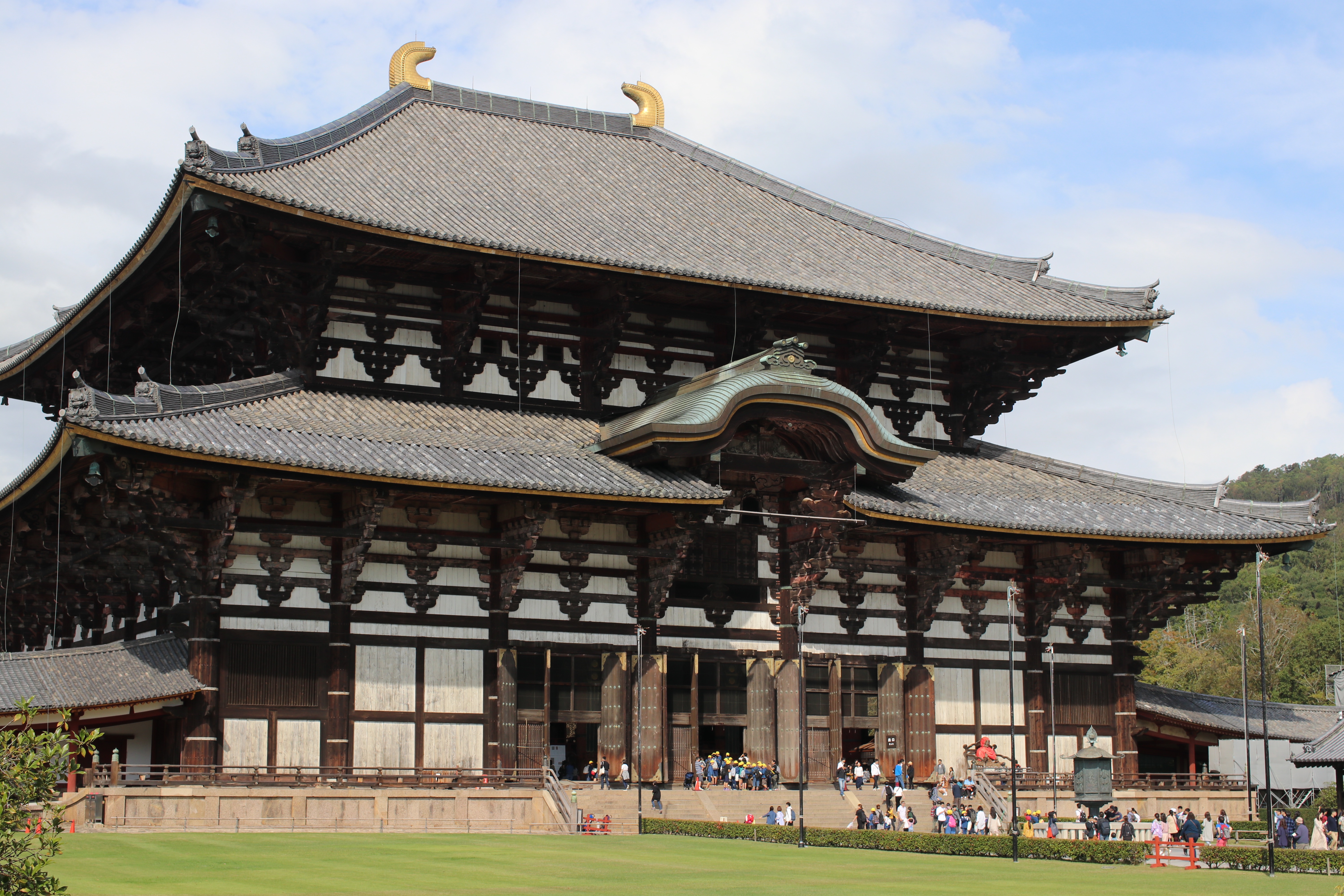
Nara: Todai-ji Temple
Nara: Isuien Garden
Osaka by night
Nara is located 50 minutes by metro from Osaka and can be visited in half a day. We recommend going to Nara from mid morning to mid afternoon and have lunch between visiting the temple and the garden.
NARA: TODAI-JI TEMPLE
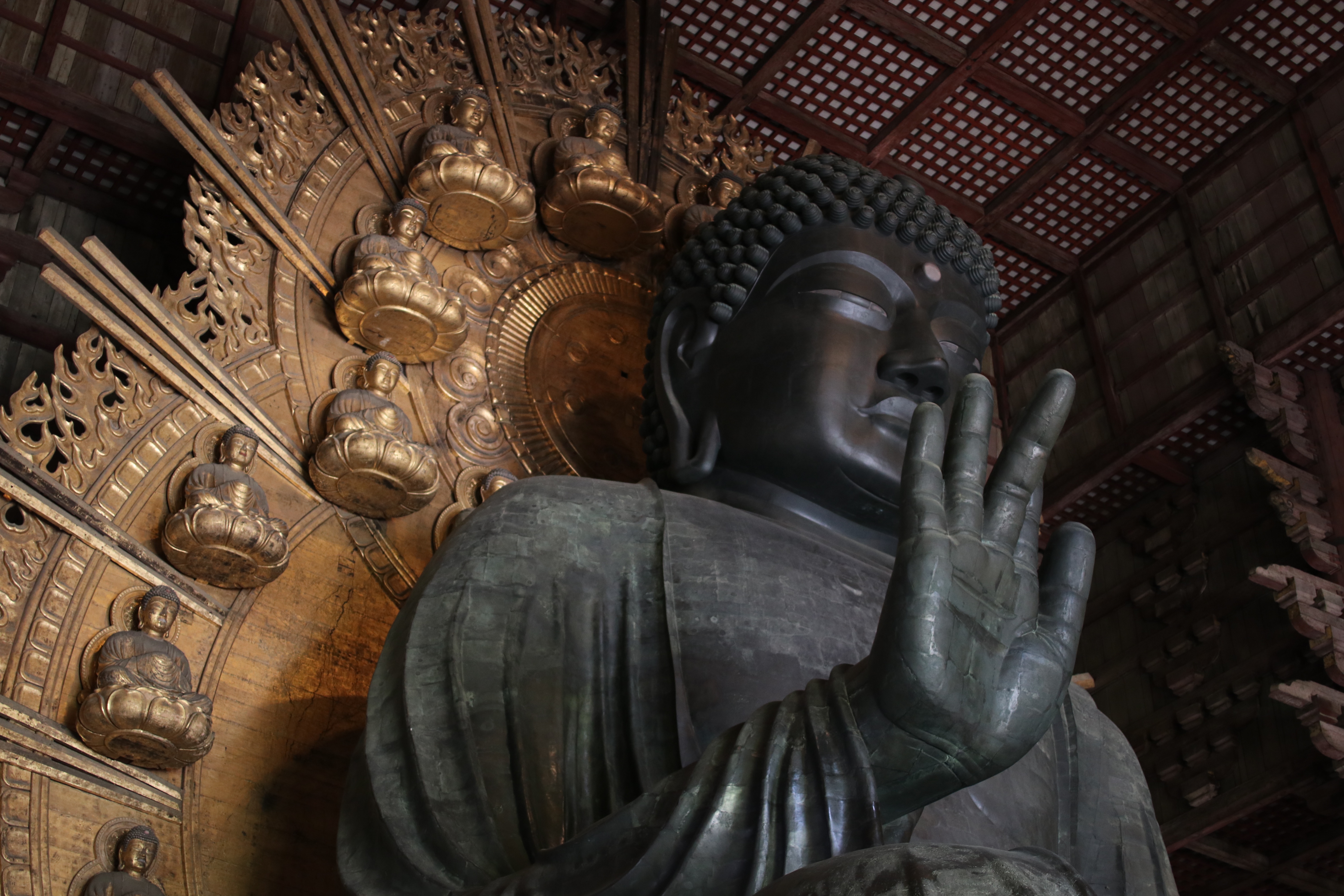
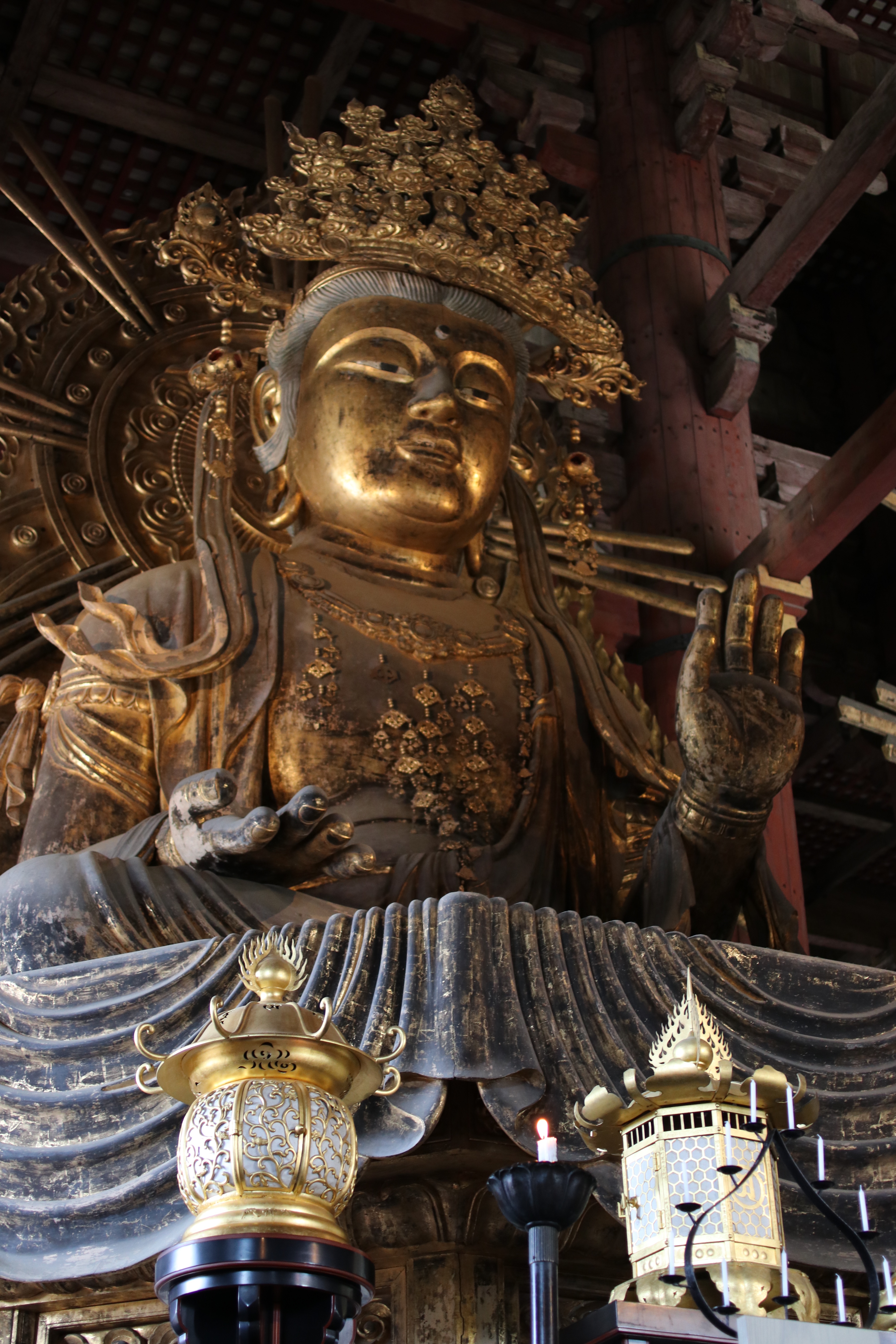
The Todai-ji, situated 30 minutes by foot or 15 mins by metro from Nara station, is a large Buddhist temple with impressive giant status.
NARA: ISUIEN GARDEN
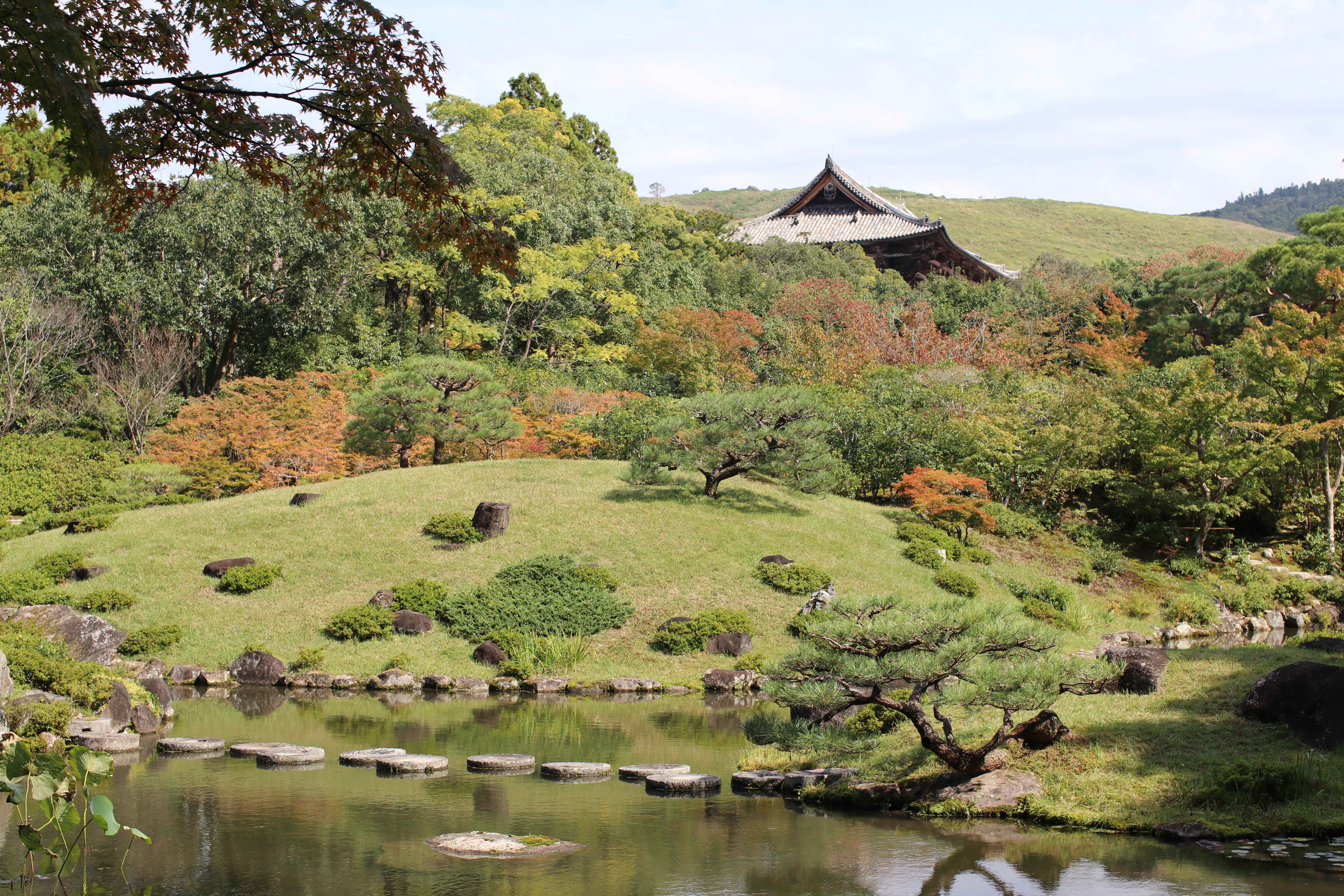
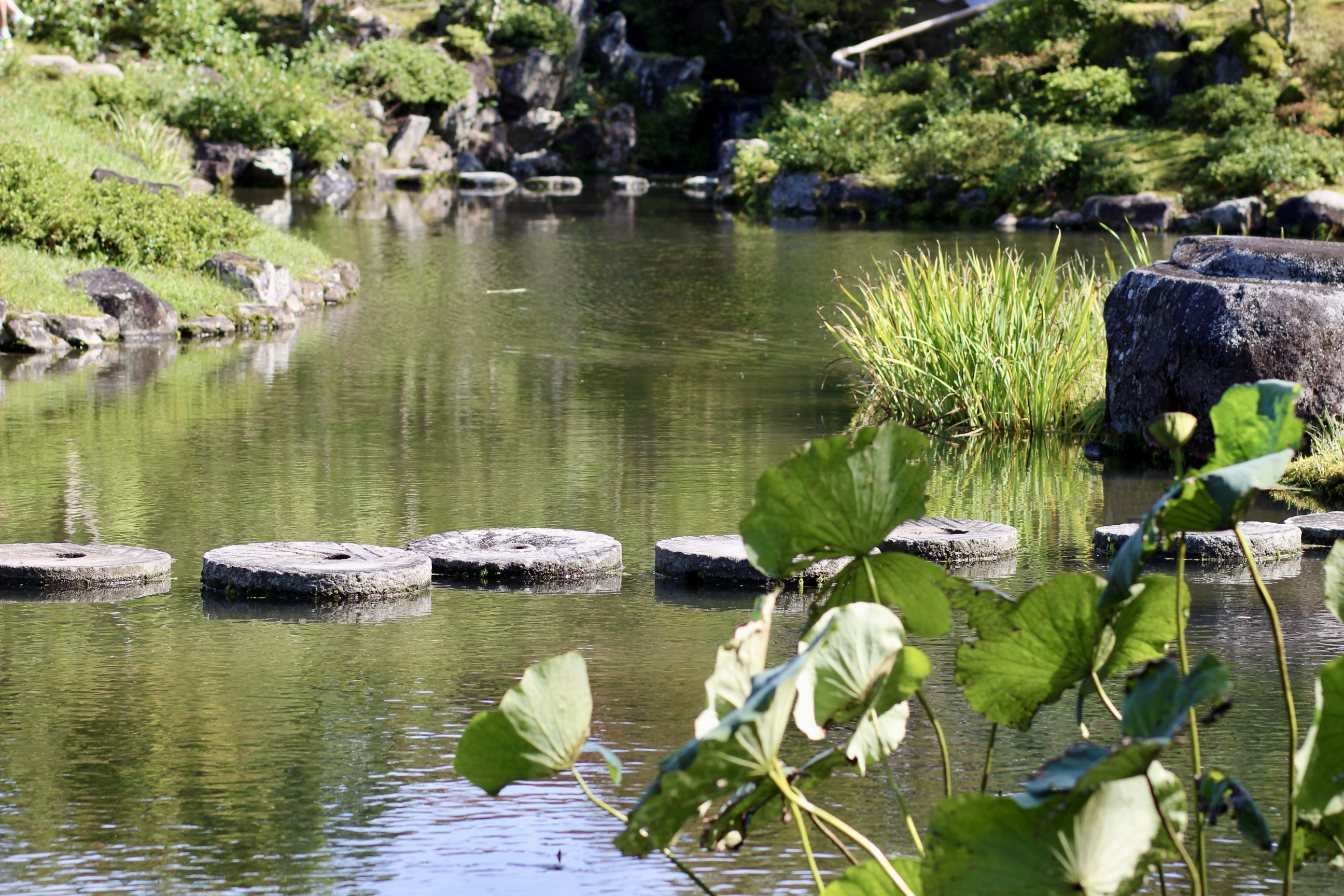
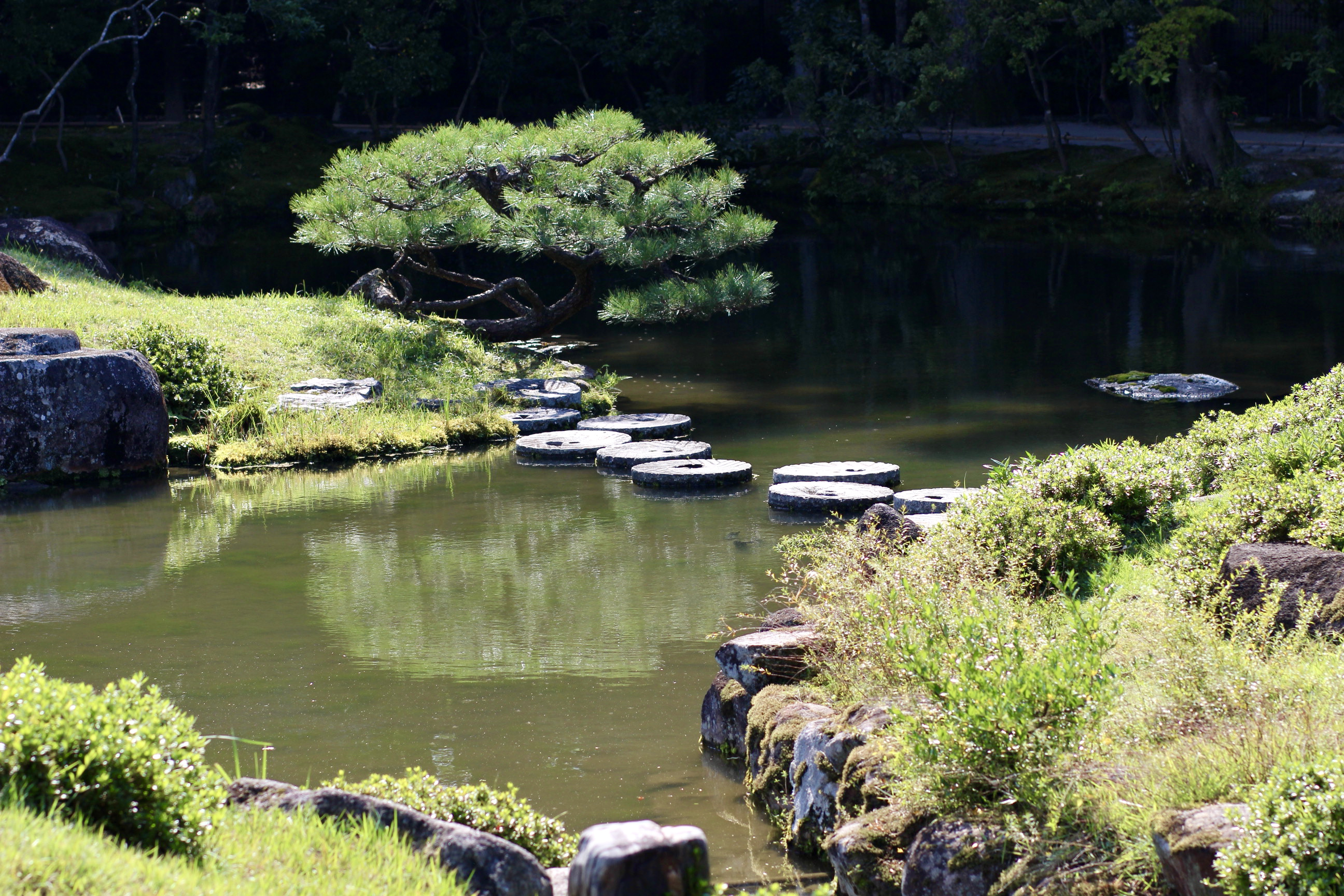
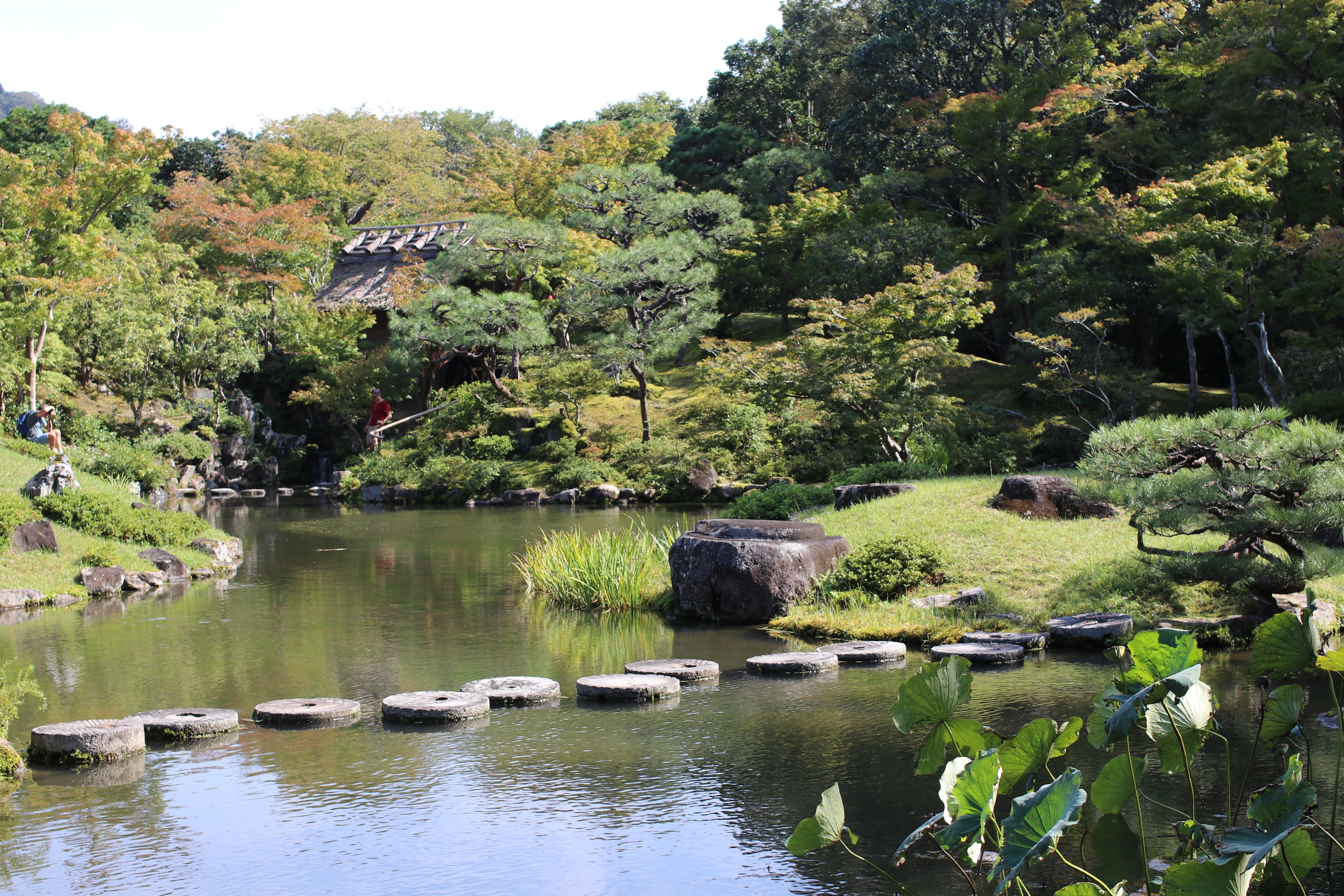
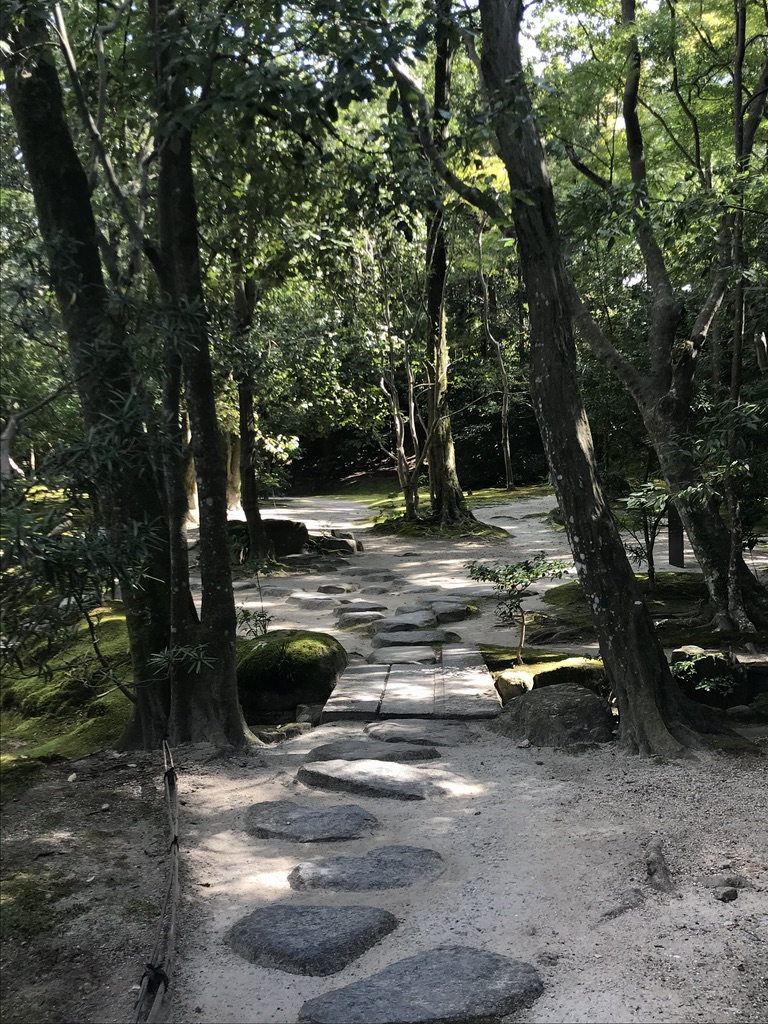
A short 4-min walk away is the Isuien Garden, a spacious and lovely traditional Japanese garden, with lots of small paths to explore all its corners.
OSAKA
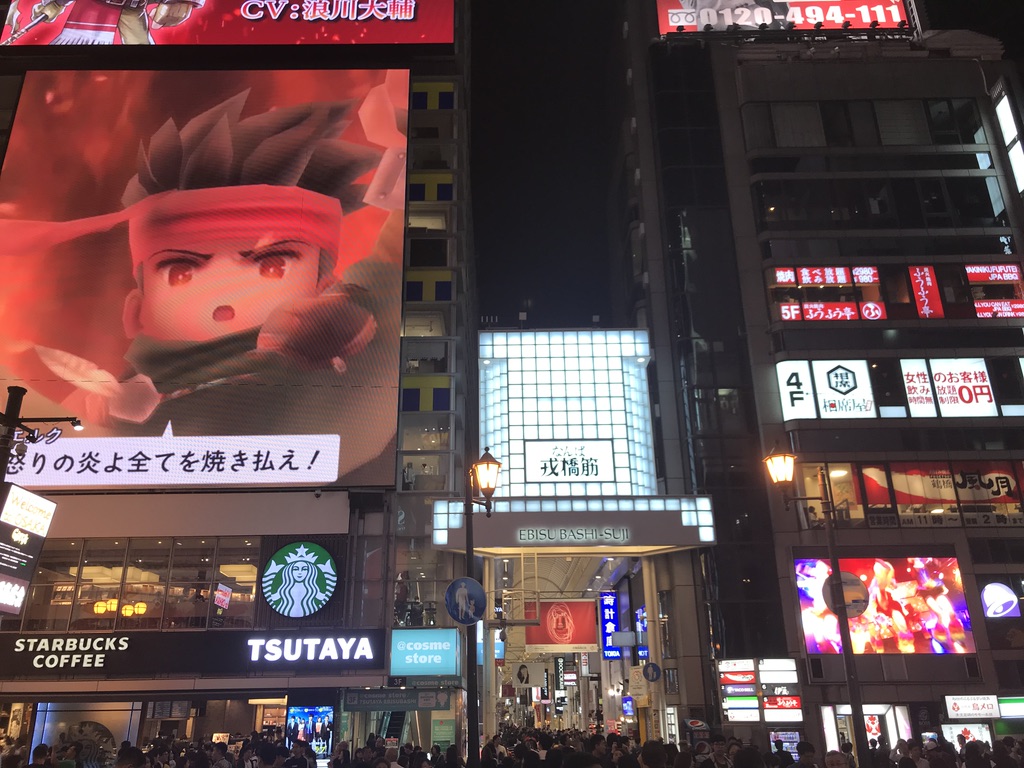
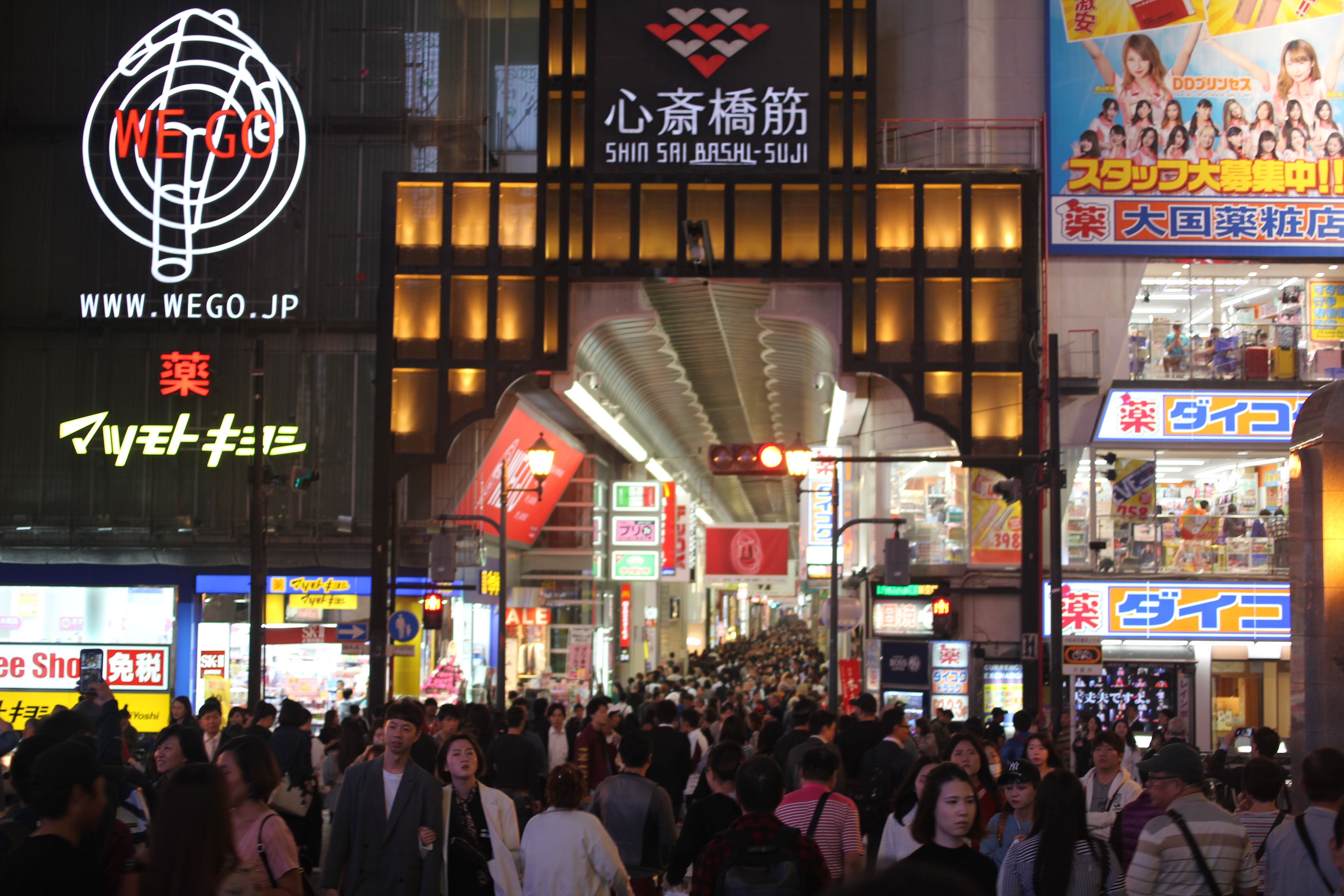
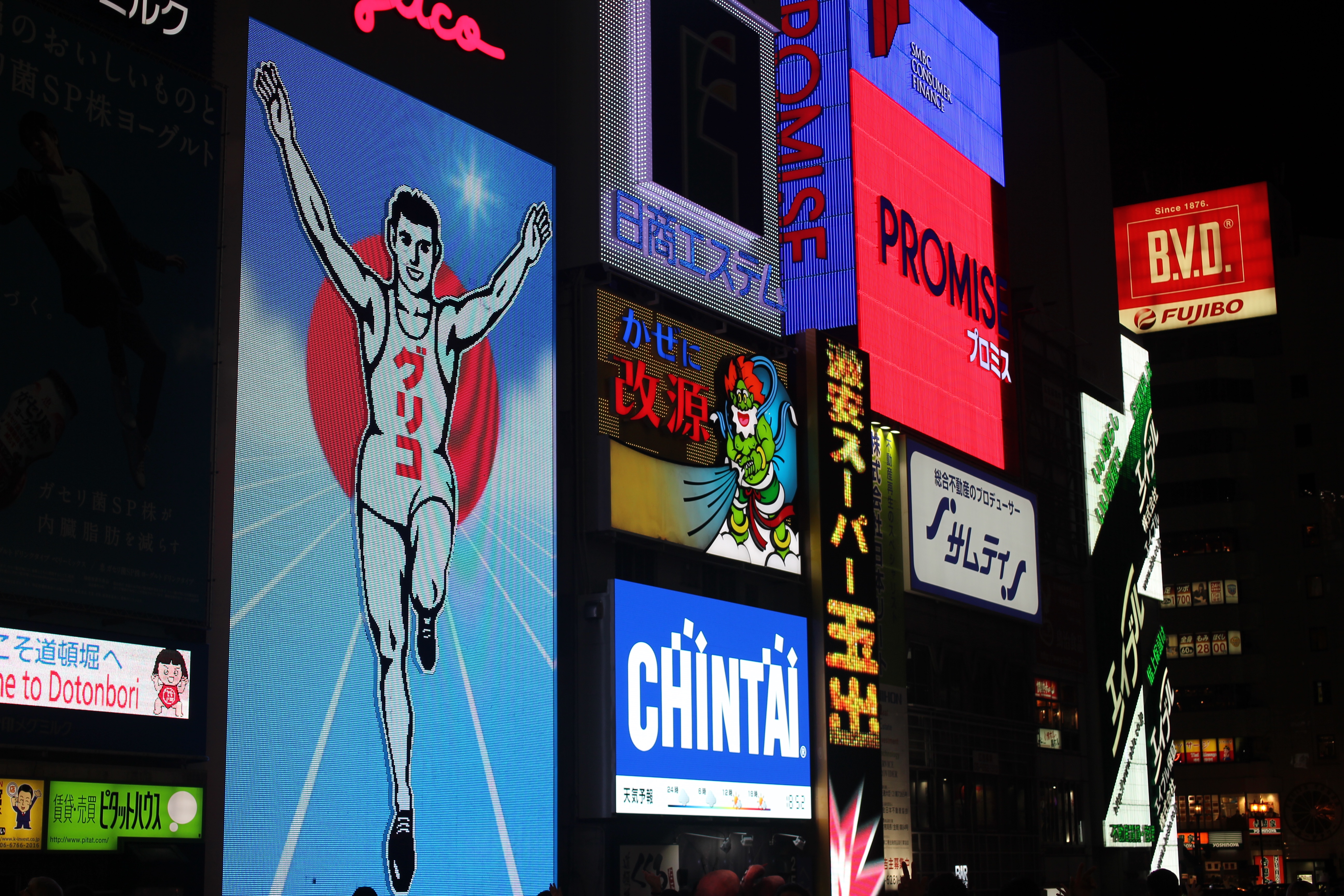
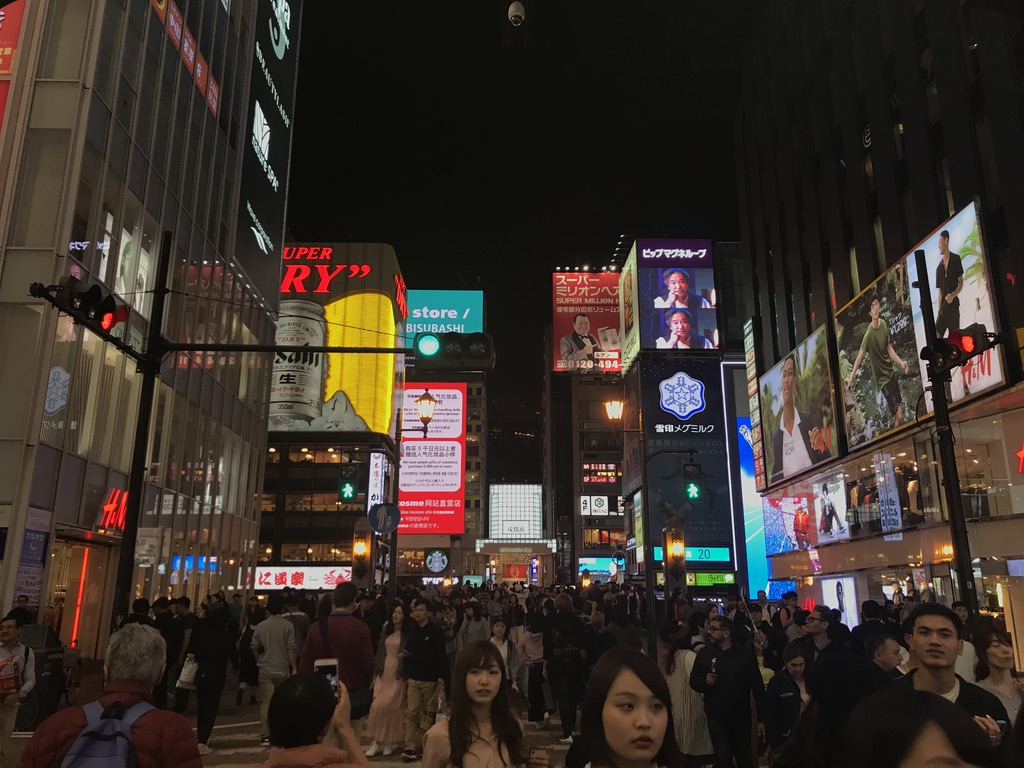
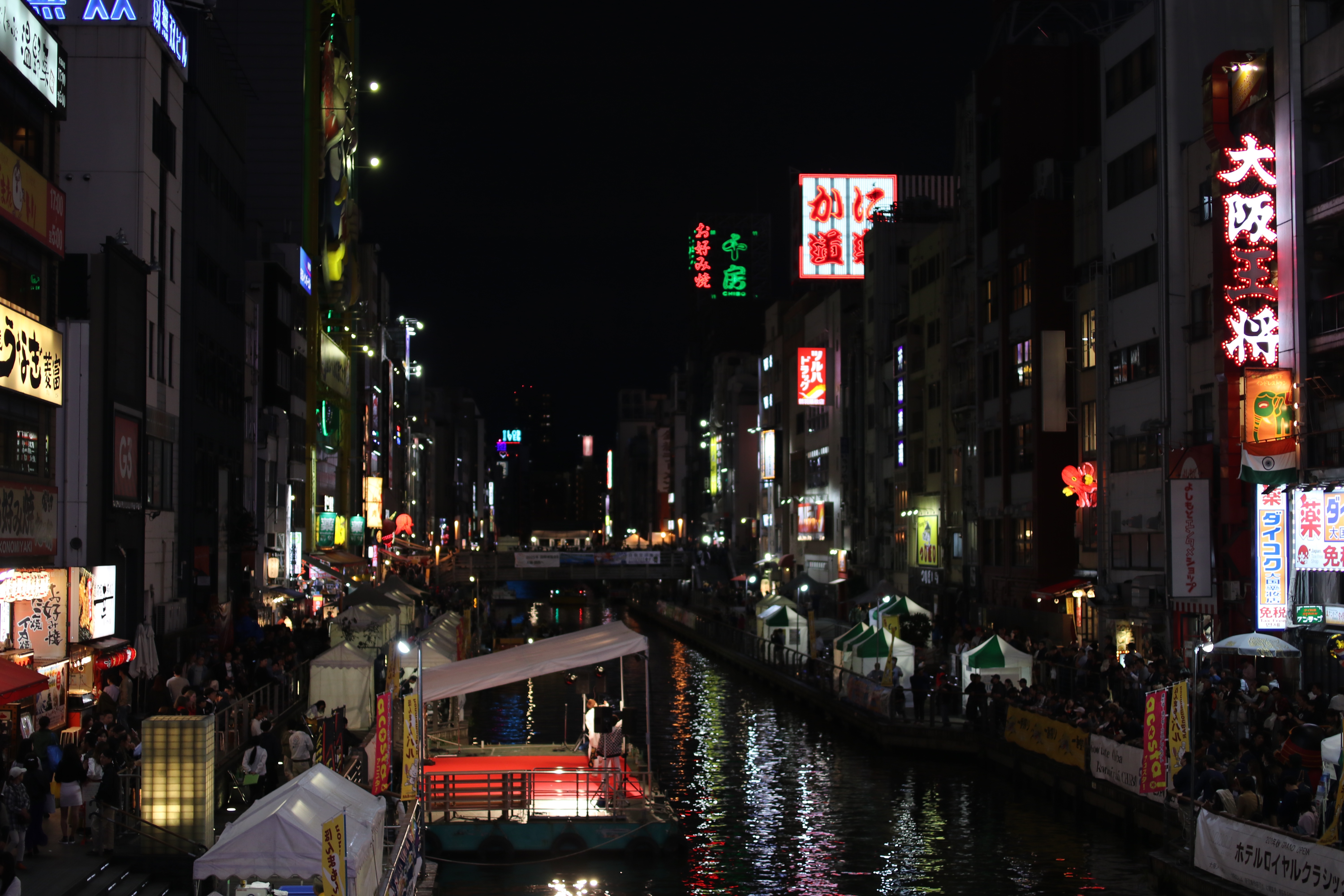
We visited Osaka for the rest of the day and evening. The centre consists of skyscrapers and huge advertisement video screens. There is a lot of shopping opportunities in Osaka from small street boutiques to big shopping malls.
SHOPPING TIP: Osaka has many shopping malls and electronic stores. In Japan, electronics such as cameras are cheaper than in Europe; especially with the sales tax deduction.
SOUVENIR IDEAS: Matcha tea powder, beautiful chop sticks and high-end Yukatas* (from a department store, such as Daimaru, for a better quality).
*A Yukata is a light Japanese kimono that you can use as a summer bathrobe.
1 or 2-day trip from Osaka
KOYASAN
Konbobuji temple
Okunoin temple
It takes around 2h/2h15 to travel from Osaka to Kōyasan. From Osaka train station, the metro will bring you to Shin-Imamiya Station, where you can take the Nankai-Koya Line train to Gokurakubashi Station. From there, you can hop on a cable car that will bring you to Mount Koya, Kōyasan Station.
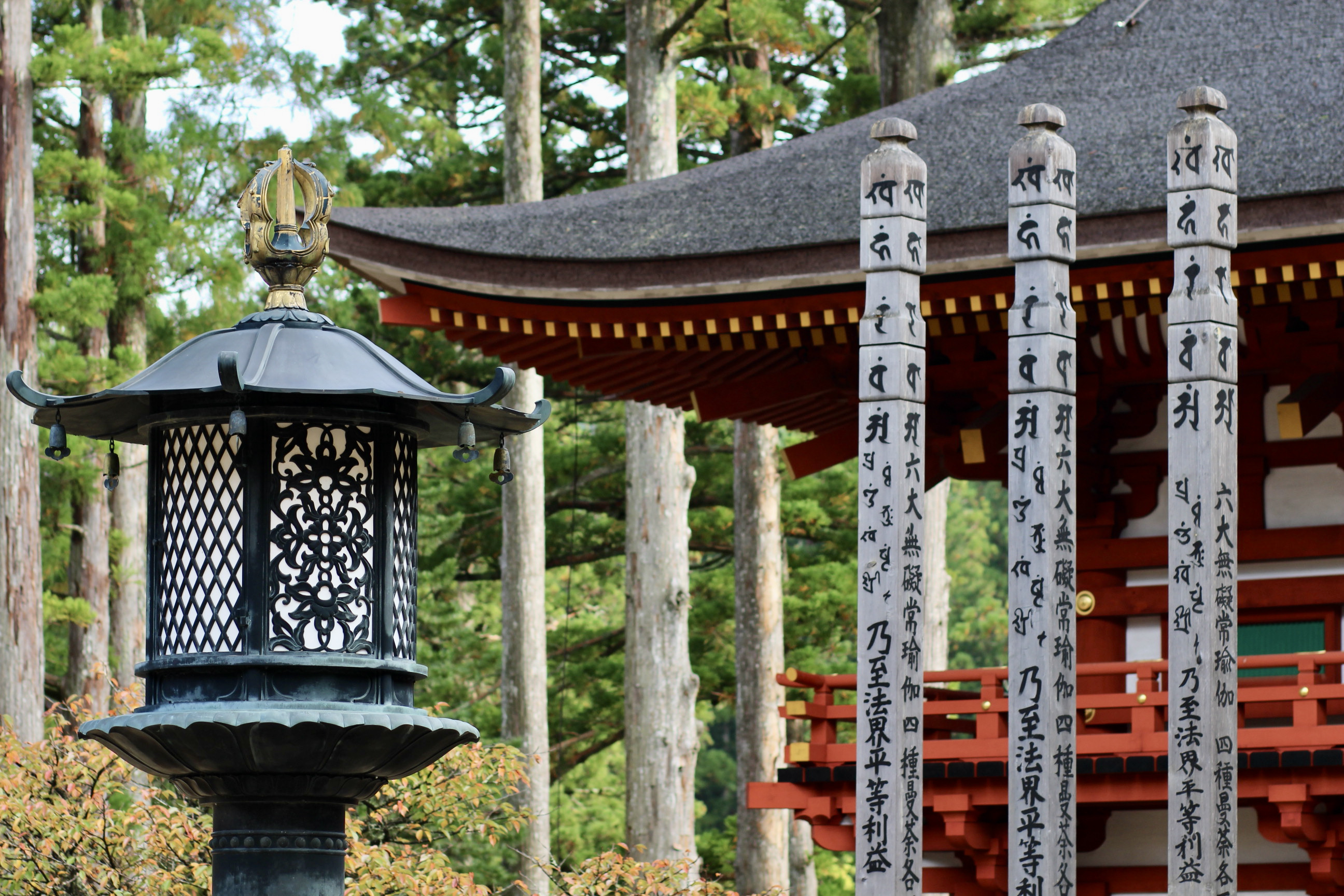
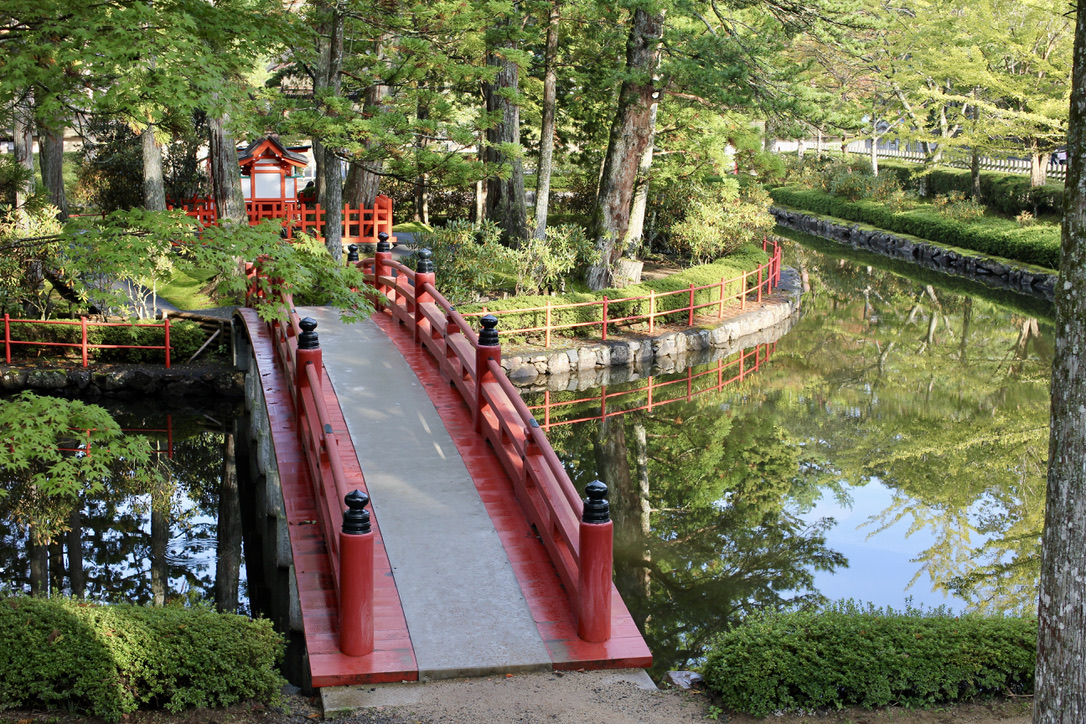
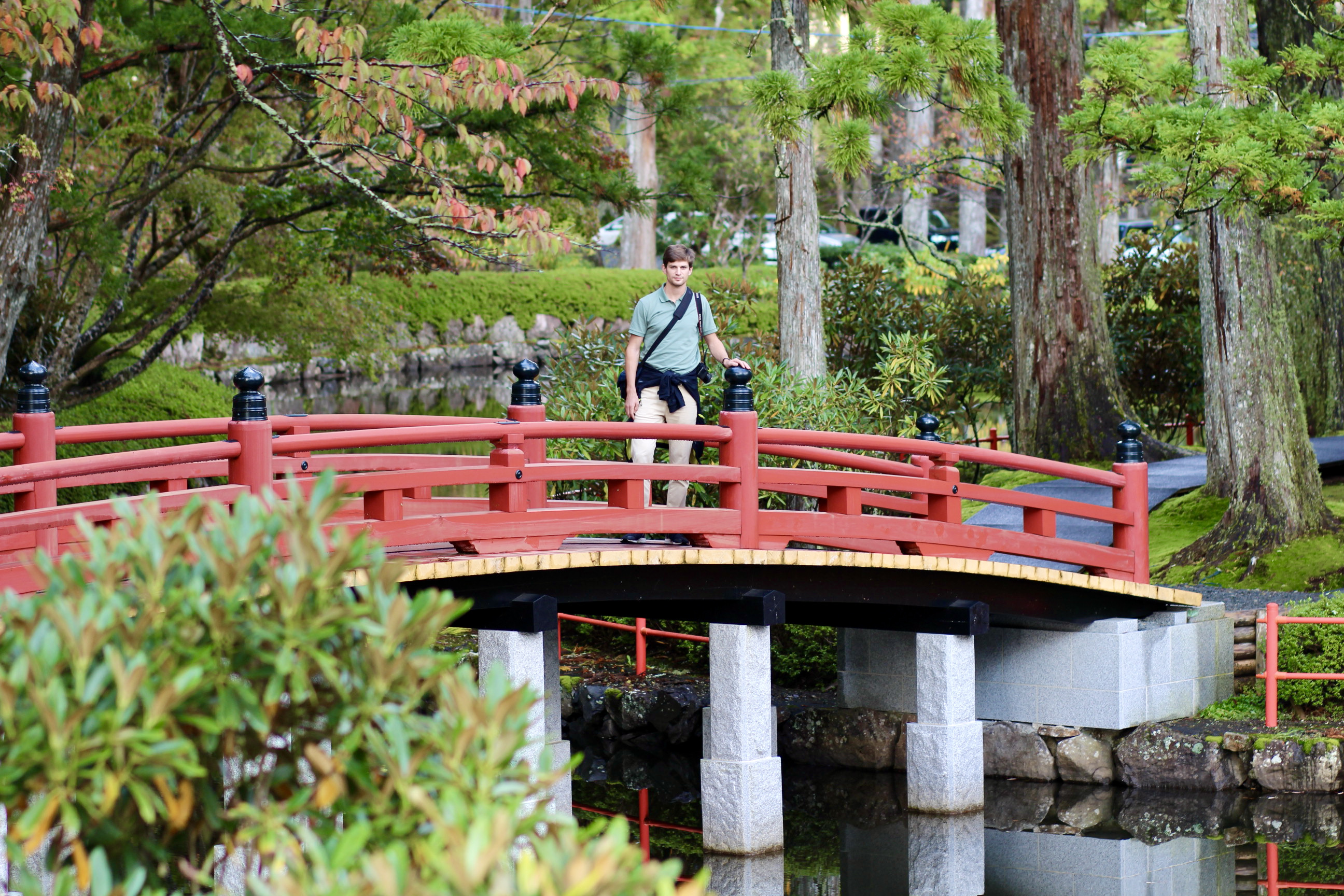
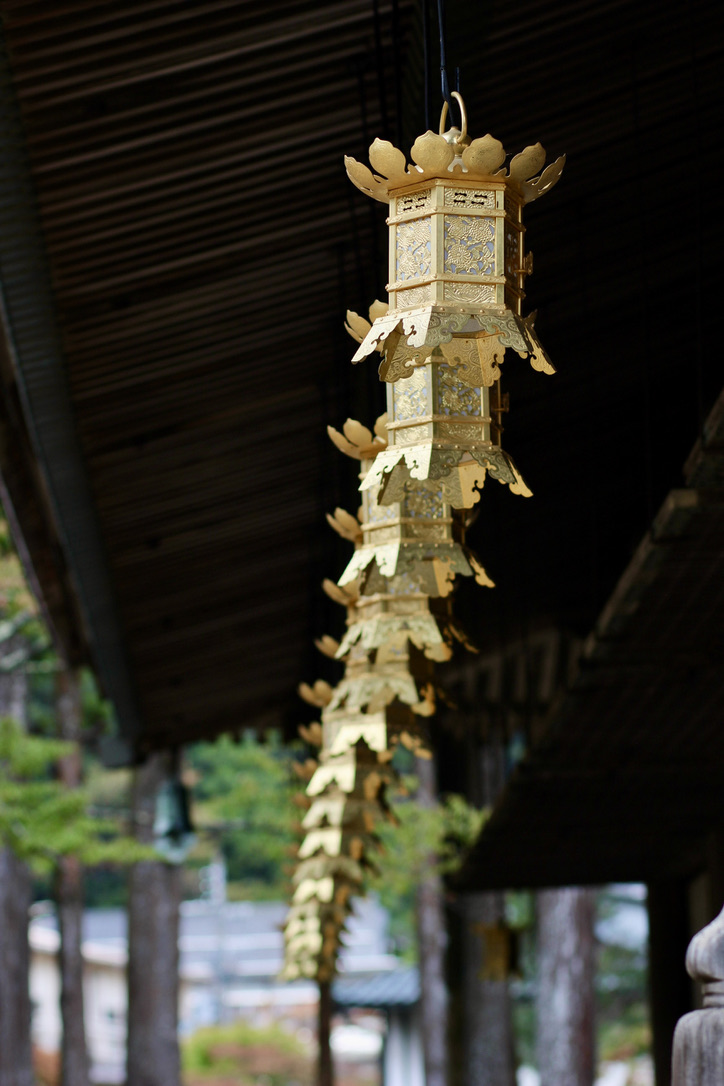
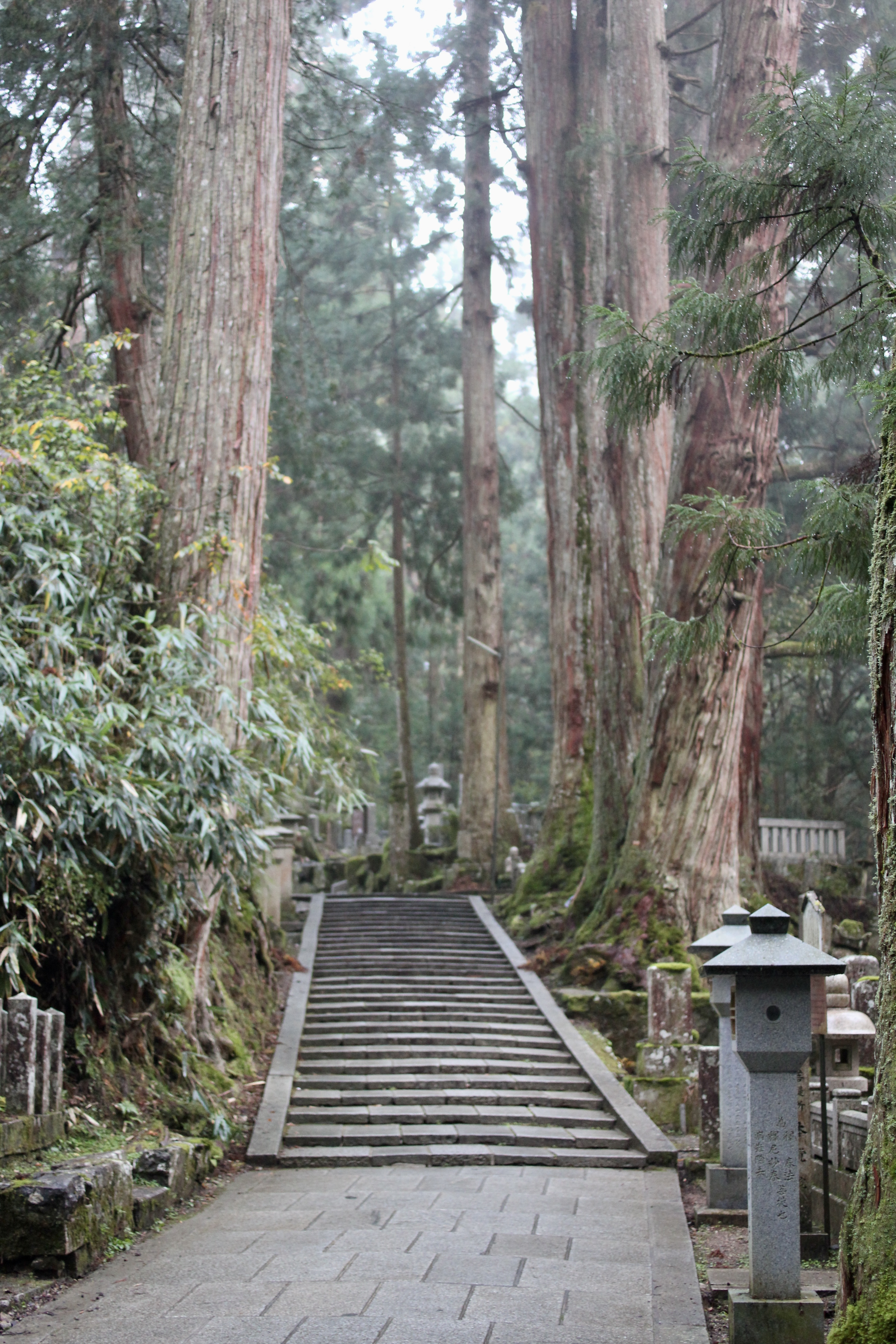
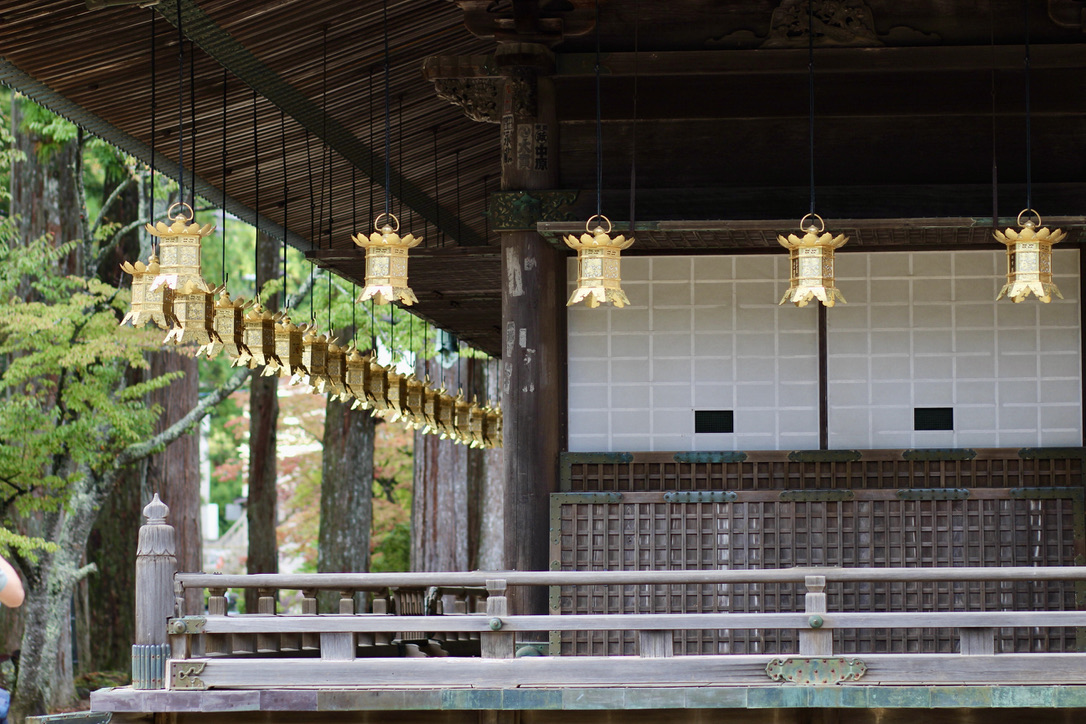
Kōyasan is a secluded temple town built on a forested mountaintop with over 100 temples. We visited the two most important ones, Kongobuji temple and Okunoin temple.
KONGOBUJI TEMPLE
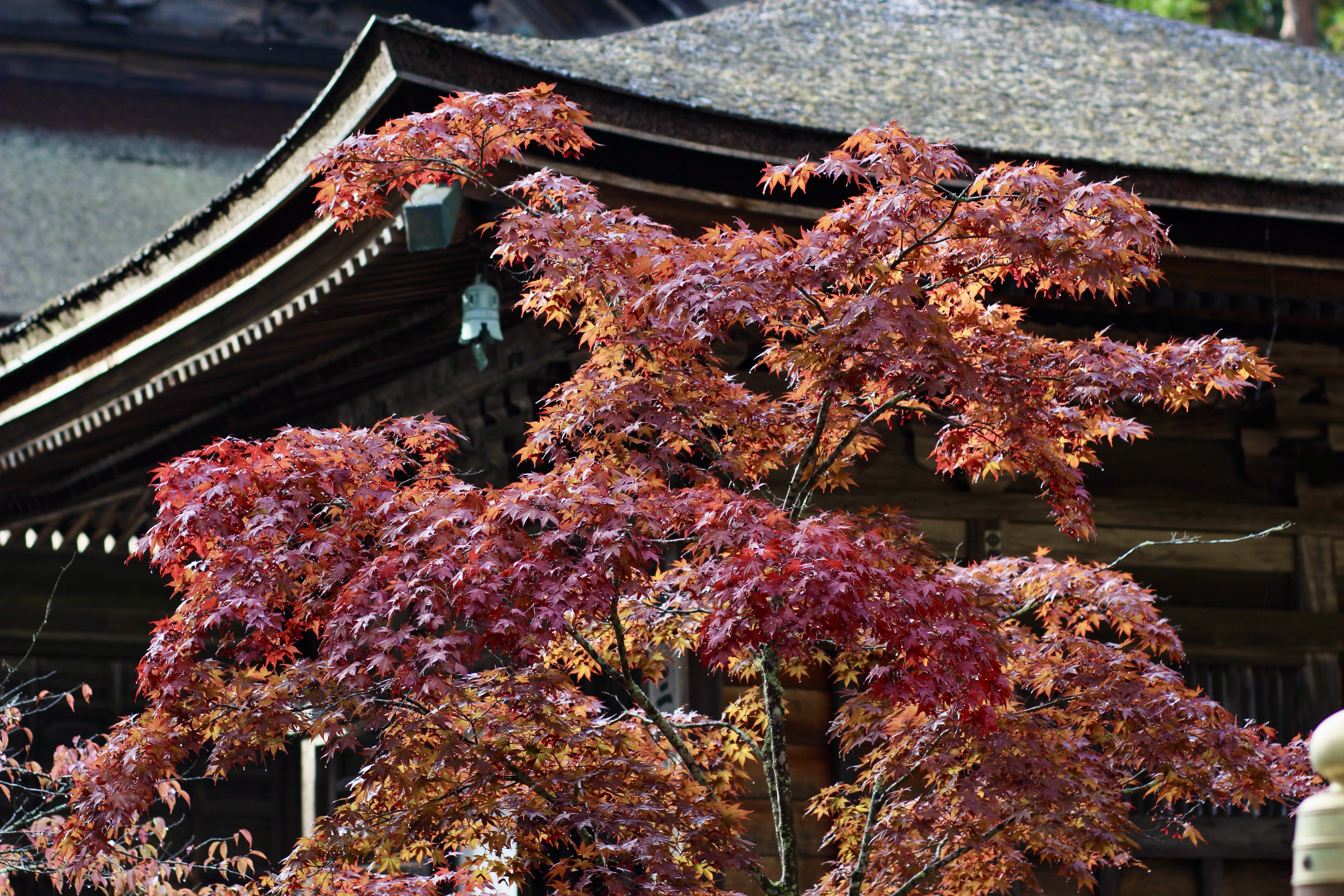
Kongobuji temple is the head temple of Shingon Buddhism. It’s a short 11-min bus ride from Kōyasan station (the road is not meant for walking if we remember well).
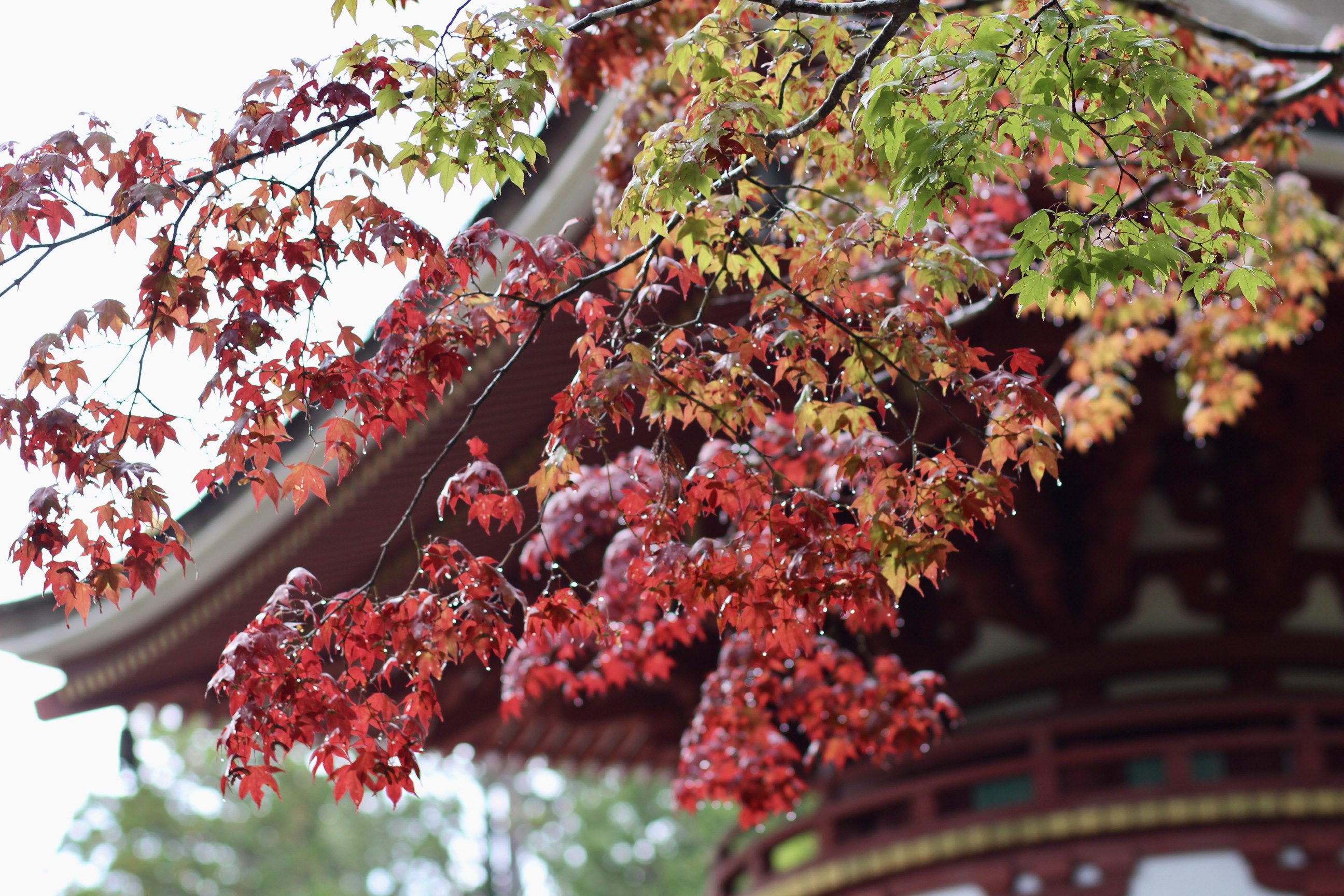
The architecture of each building and the surroundings are incredibly beautiful. Luckily, the maple trees were starting to turn into deep orange and red hues up here.
OKUNOIN TEMPLE
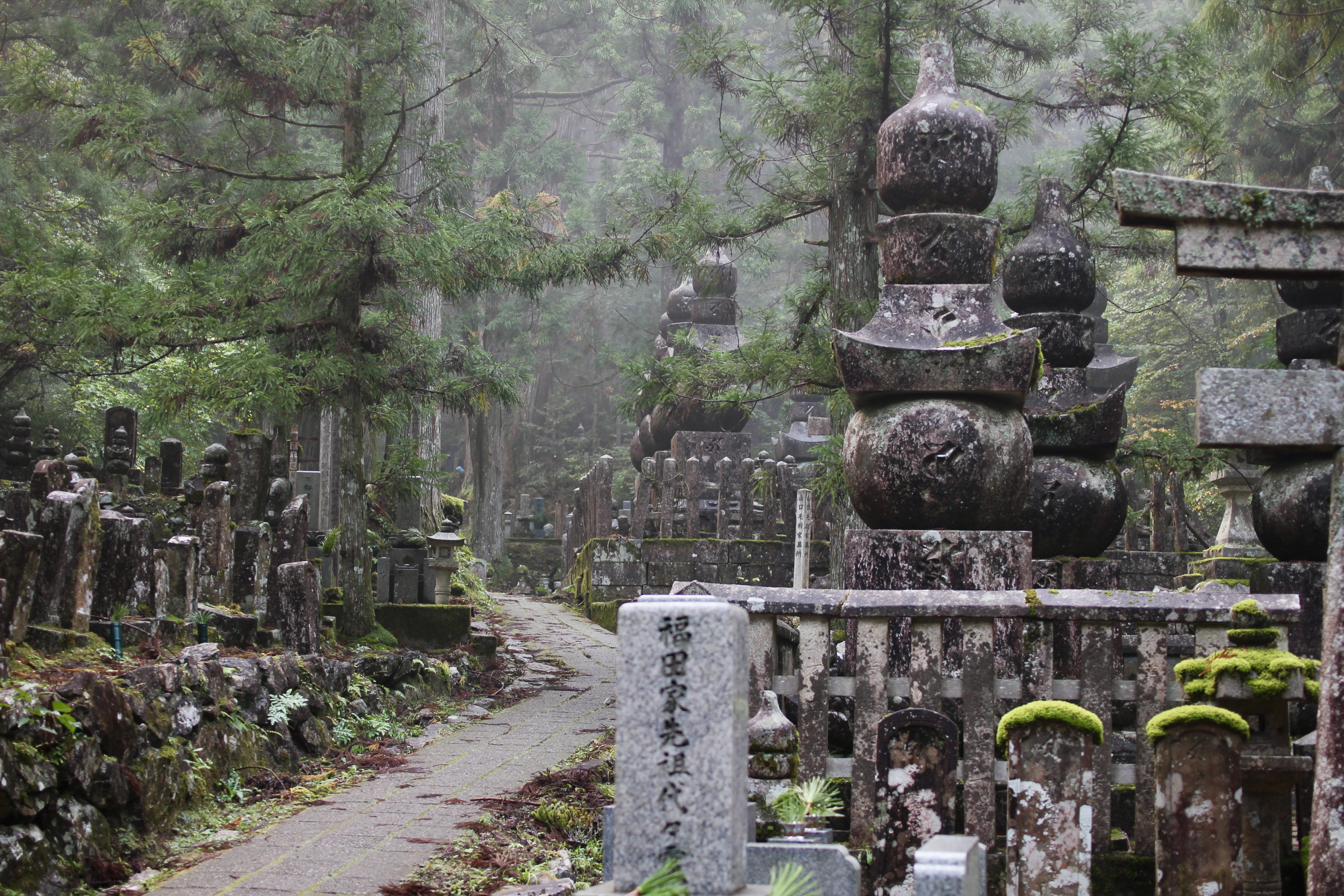
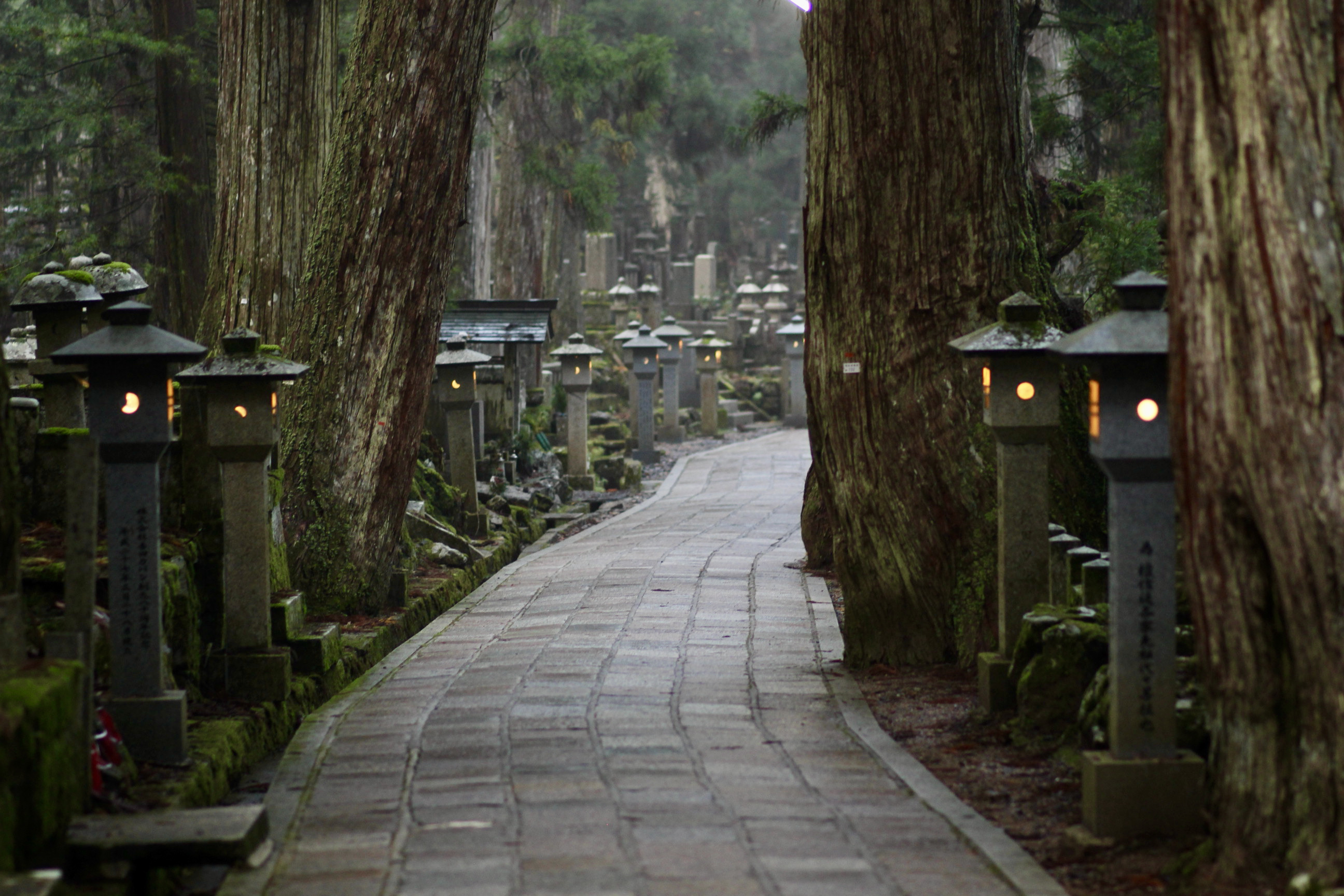
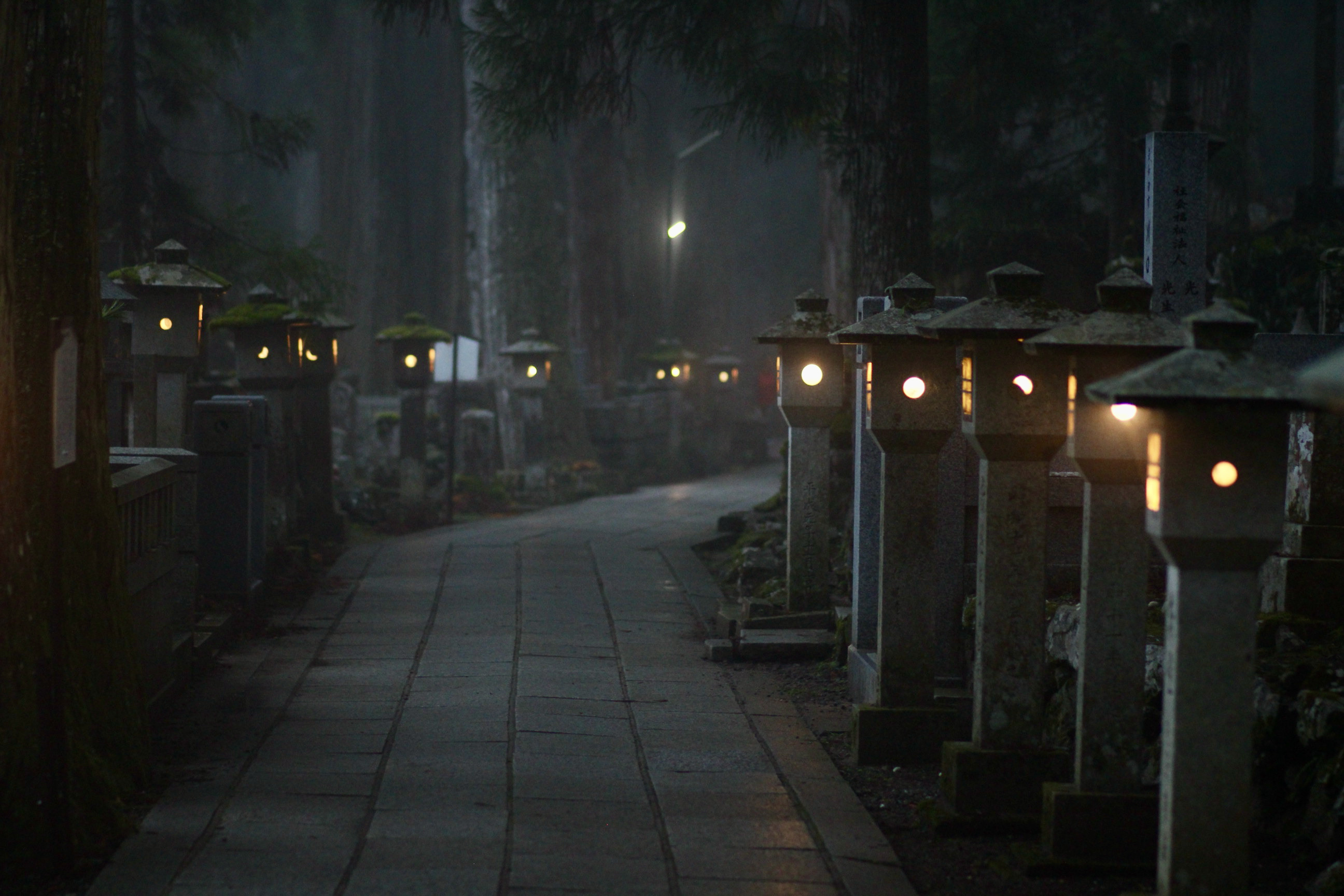
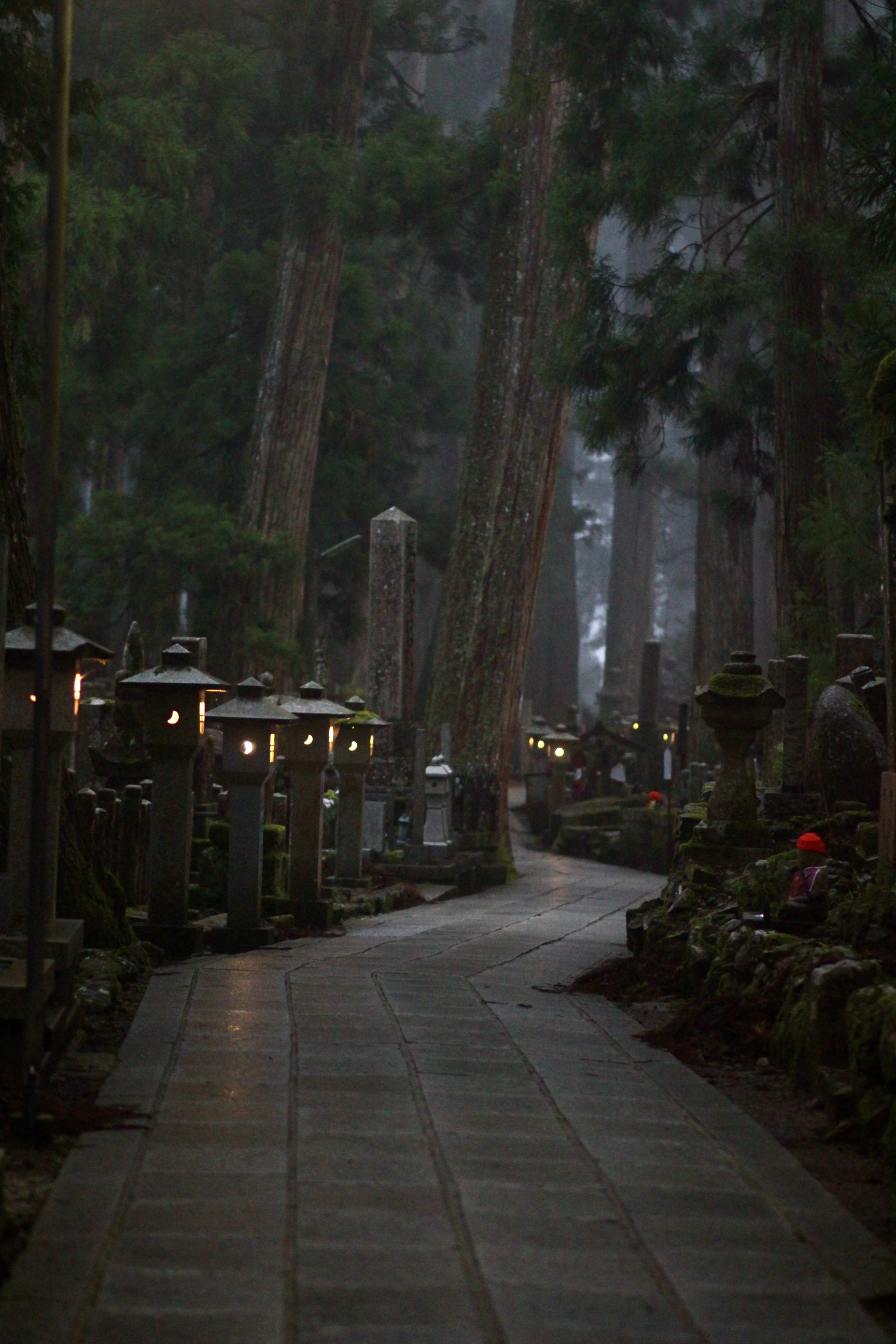
A 26-min walk from there is the Okunoin temple, the site of Kobo Daishi’s mausoleum. During our visit, the misty weather increased the already spooky atmosphere of this forested cemetery walk. We recommend doing this walk close to sunset; the night will have fallen on your way back with the illuminated stone lanterns guiding you back towards the village.
TIP: You can visit Kōyasan as a one-day trip from Osaka or stay over night. Some people stay at a temple lodging, in a traditional Japanese bedroom (futons beds) with shared bathroom, to experience the monks’ lifestyle such morning prayers and rituals. We did not try it, we stayed at an airbnb in Koyasan but did not sleep well on our futons…

Osaka day visit
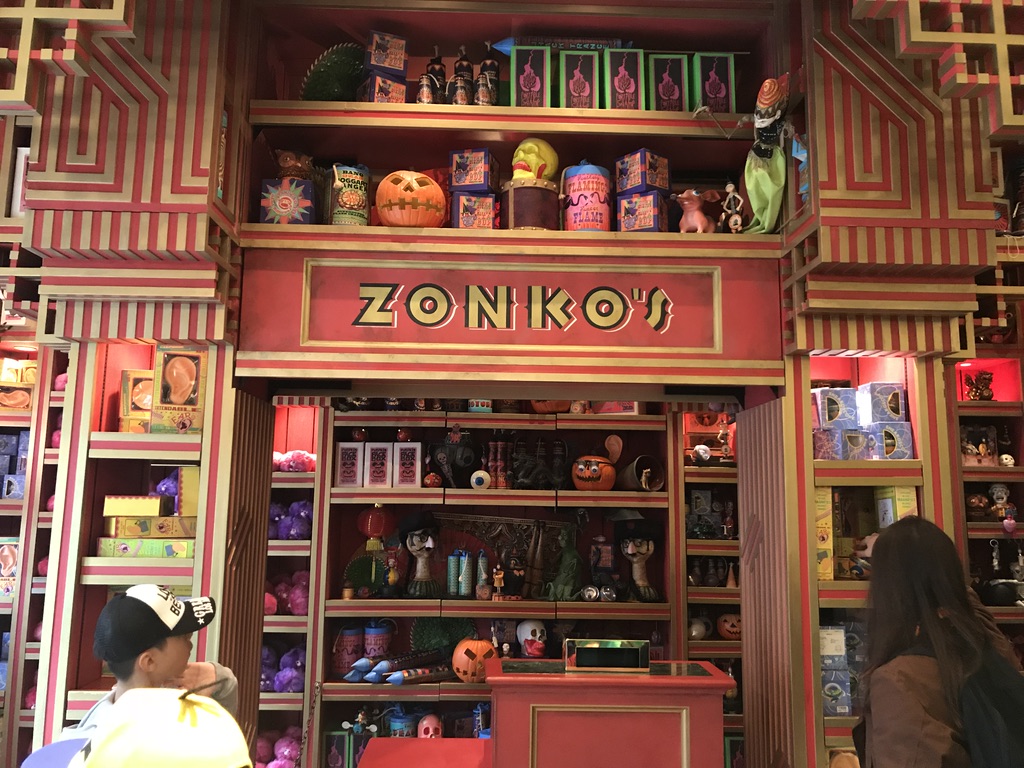
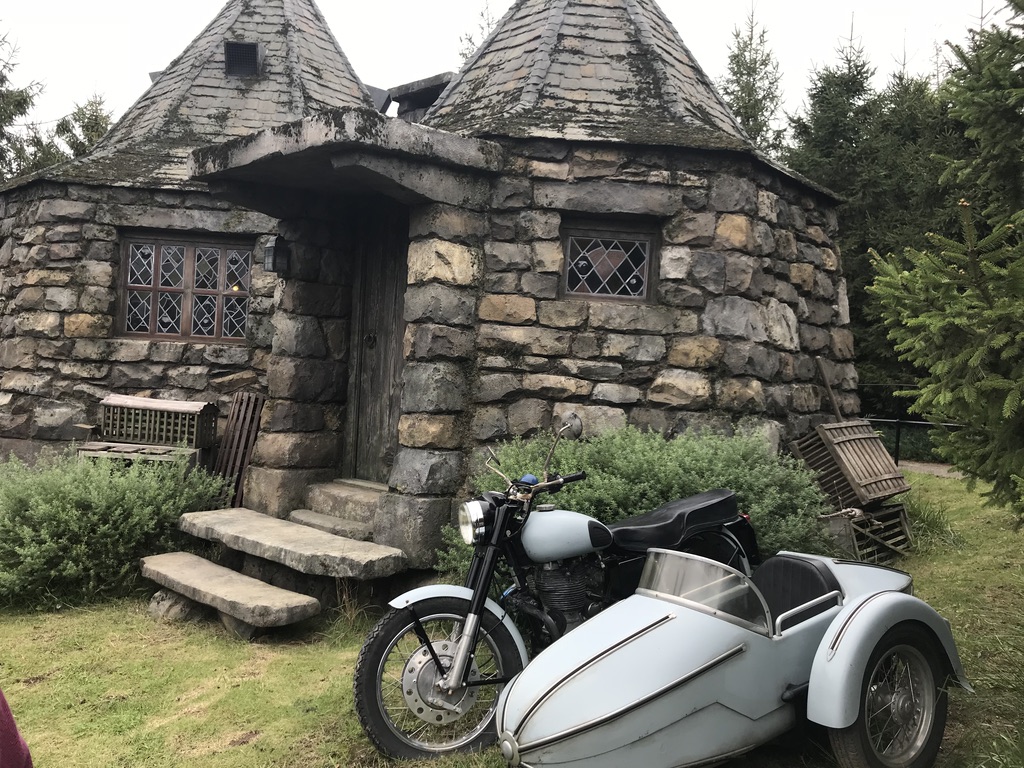
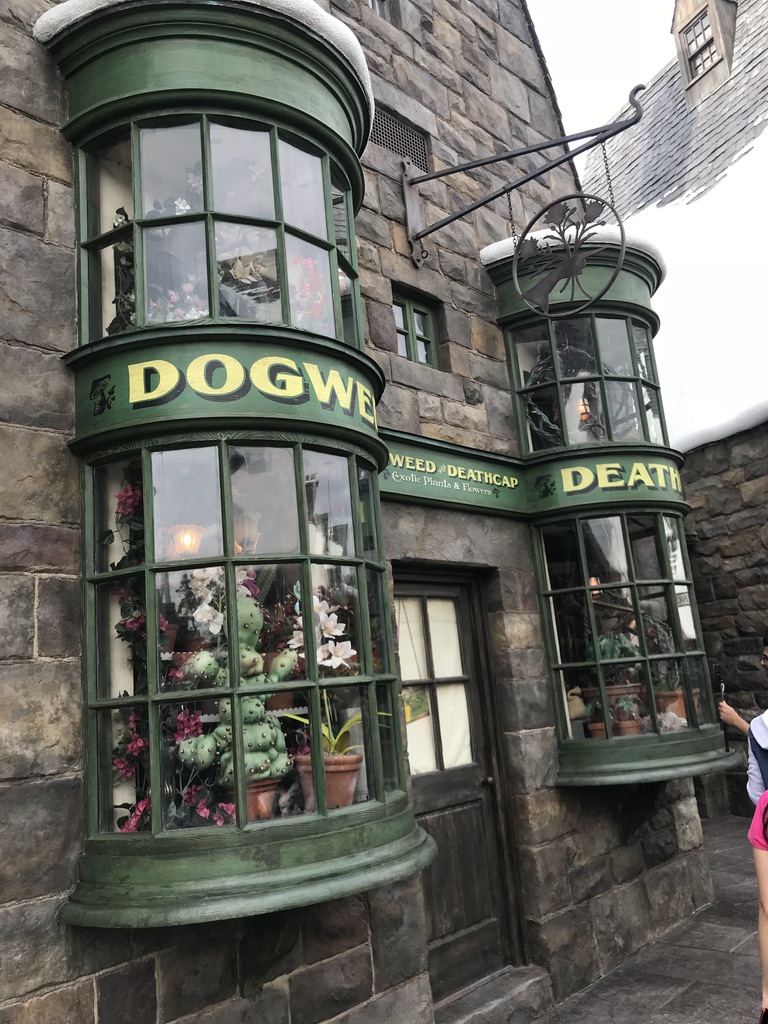
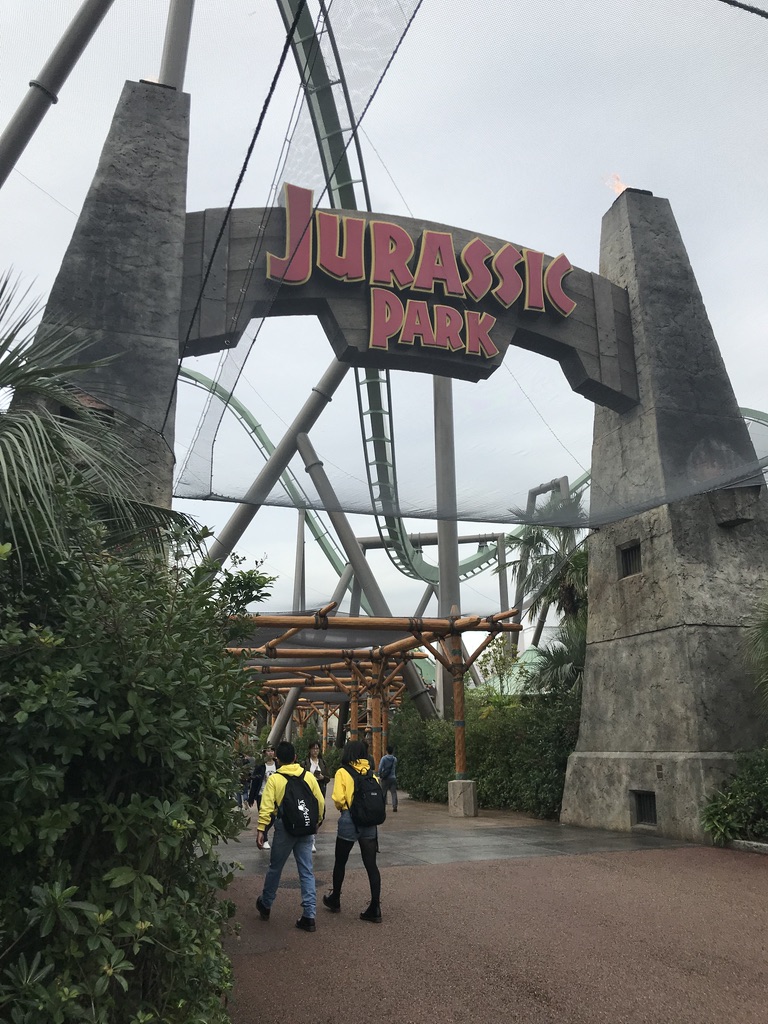
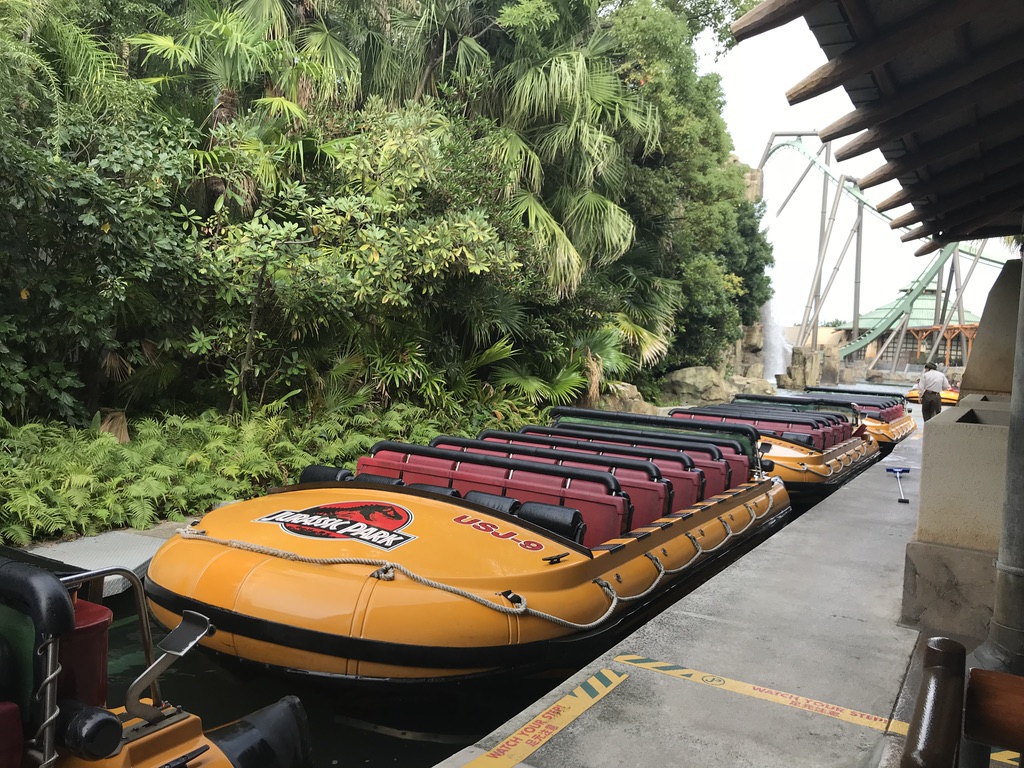
UNIVERSAL STUDIO JAPAN
Harry Potter
Jurassic Park
& more
We decided to end our trip with a visit of Universal Studio Japan. It’s an easy 11-min metro ride from Osaka train station, with a switch at Nishikujō Station.
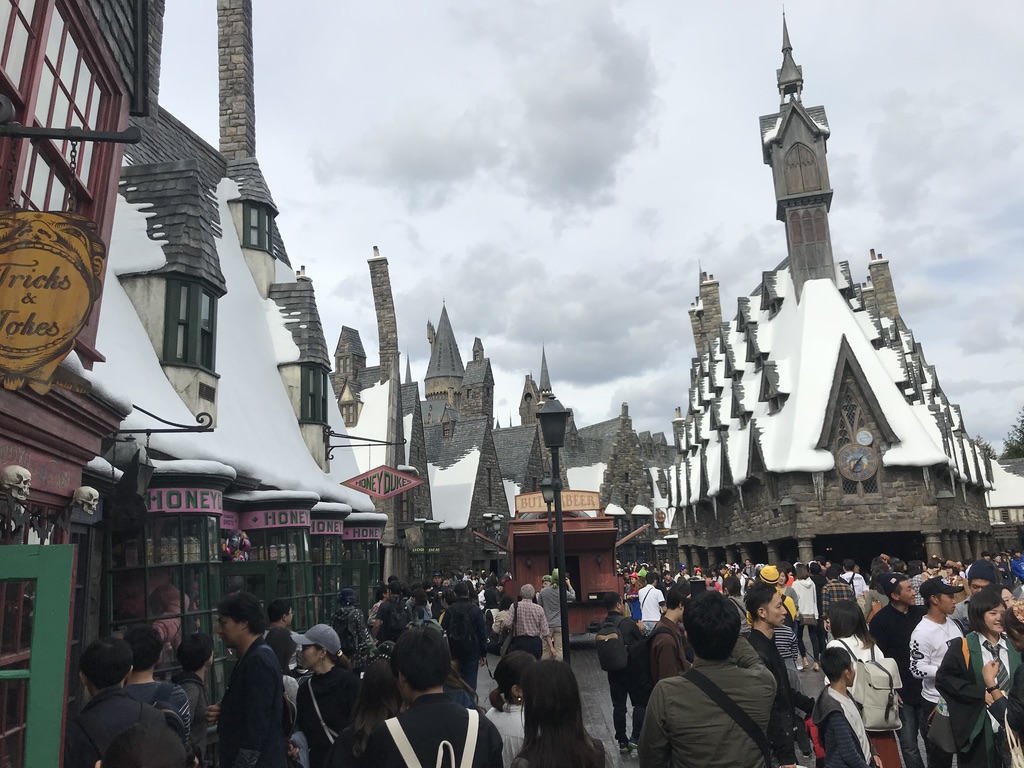
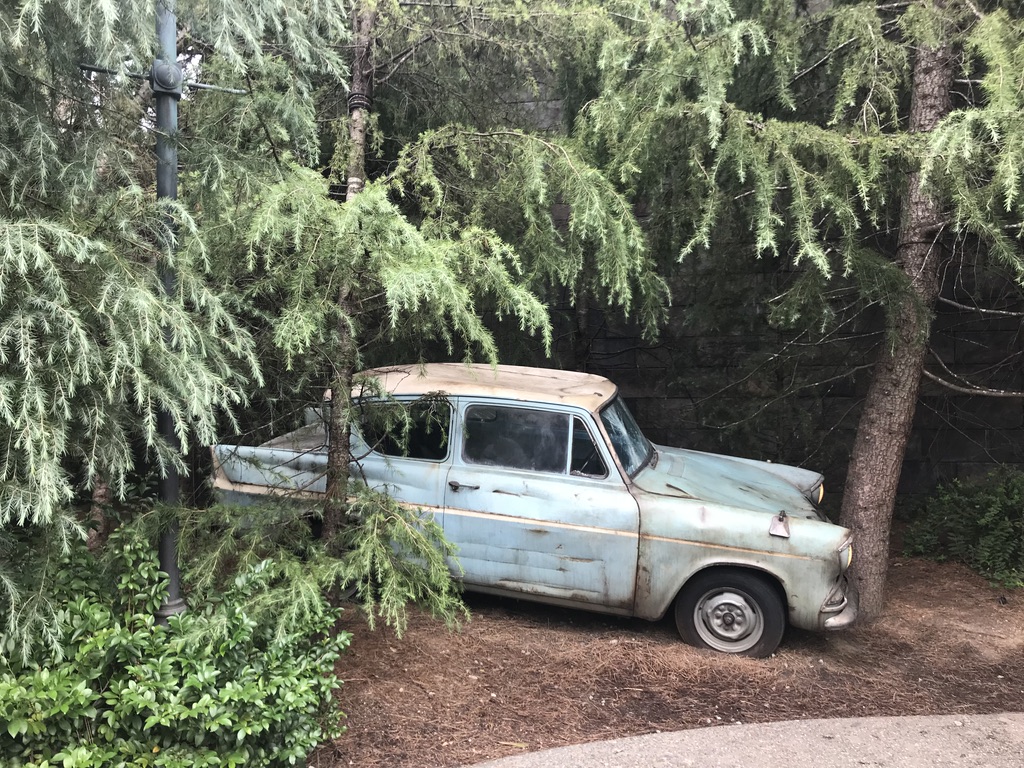
Universal Studio Japan has different themed worlds, including Harry Potter and Jurassic Park. Each world holds new and unique adventures at every turn, with some fun roller coasters and boat rides.
We enjoyed spending our day here, although it is good to note that you will probably have long queues for every major attraction as its a very popular park (the only Universal Studio outside of the US!).
TIP: bring a phone or tablet with series or movies to watch during the long queues. Don’t forget to bring fully charged power banks too!

FOOD IN JAPAN
Sushis, Ramen
& Matcha fever
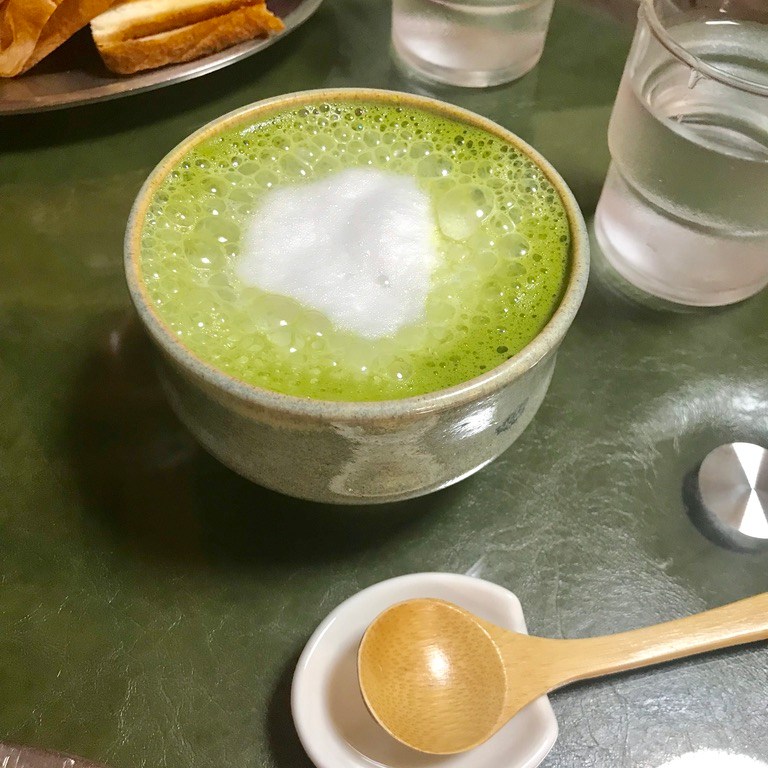
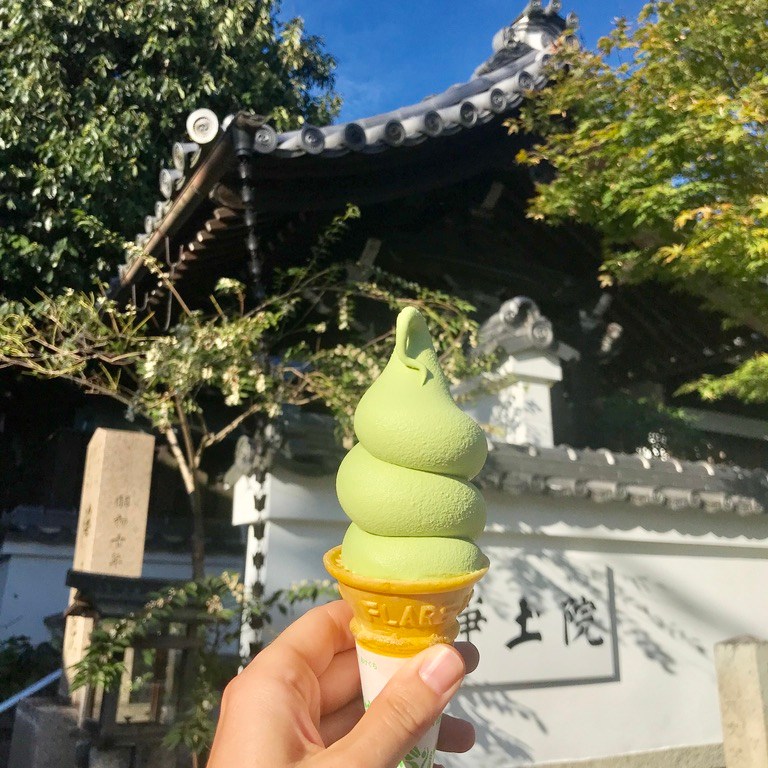
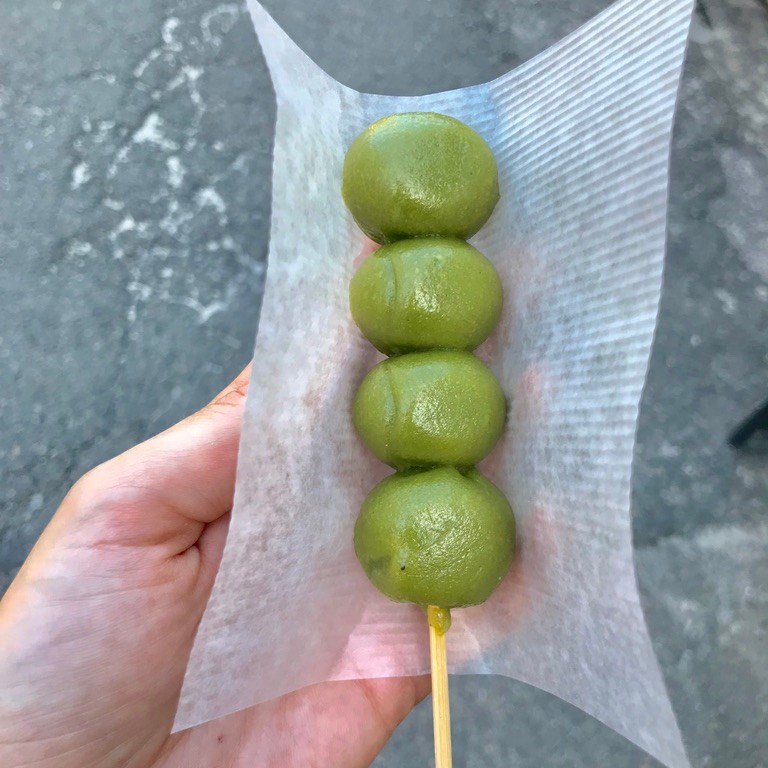
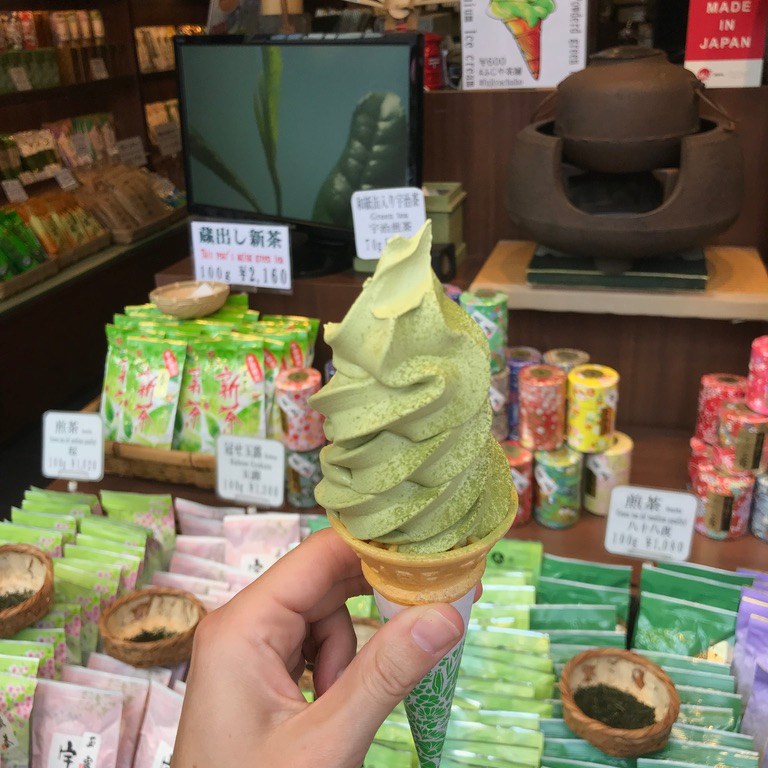
Matcha is a fine Japanese green tea that tastes completely different from the green teas we consume in Europe. We especially love Matcha tea and Matcha Latte, but Matcha tastes delicious in sweet recipes as well, such as Matcha ice cream, Matcha cakes and Matcha sweet treats.
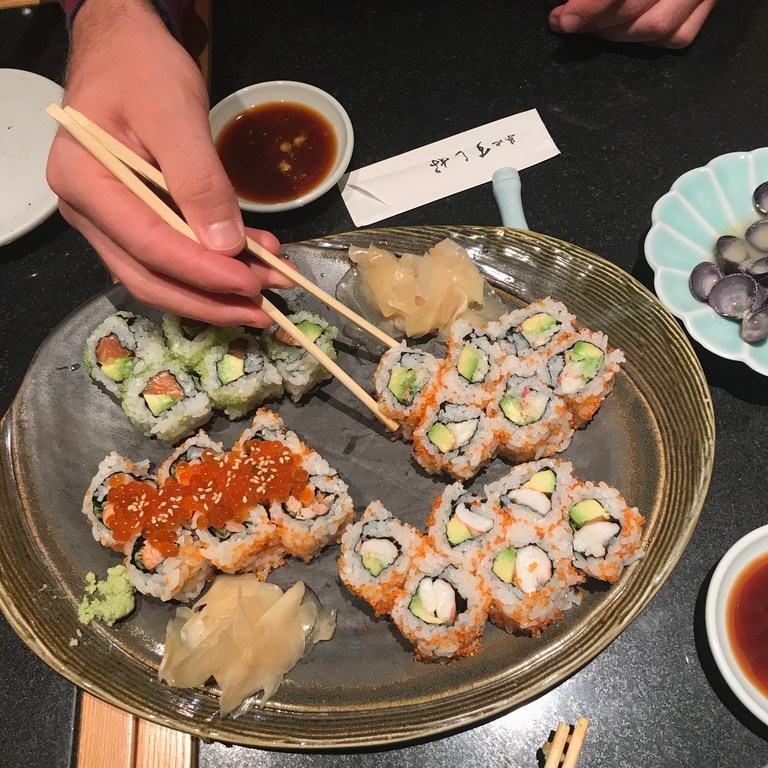
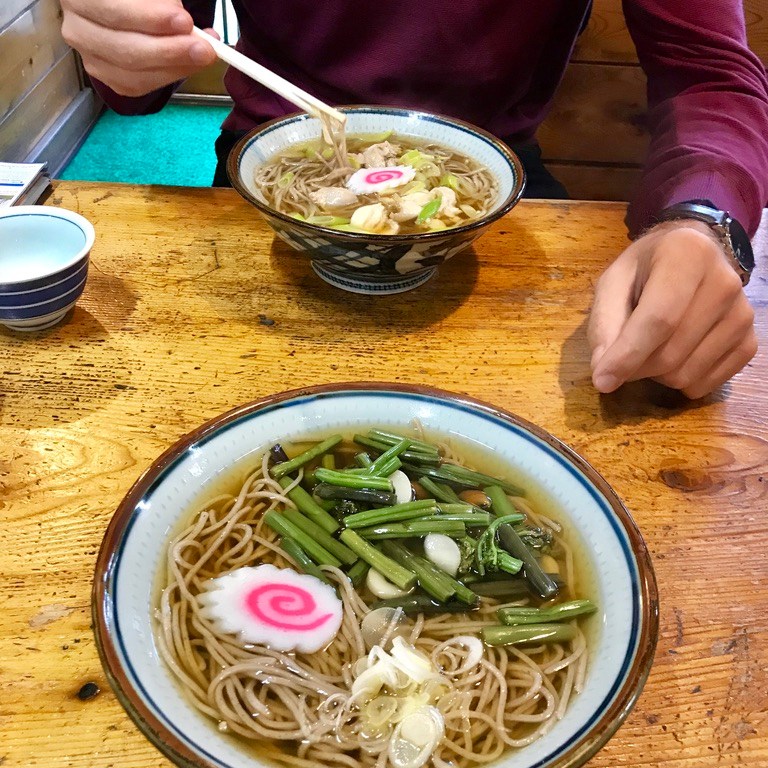
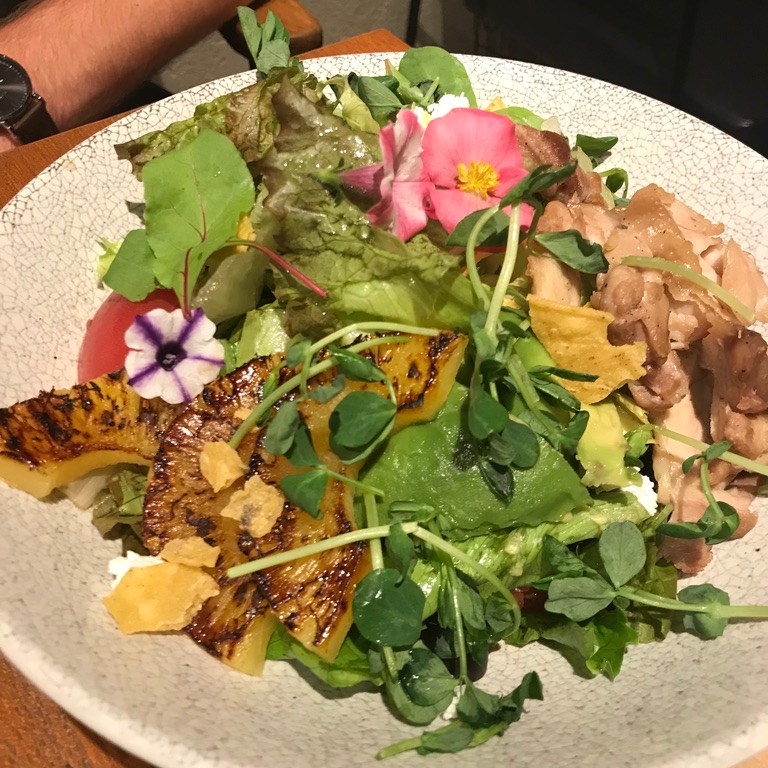
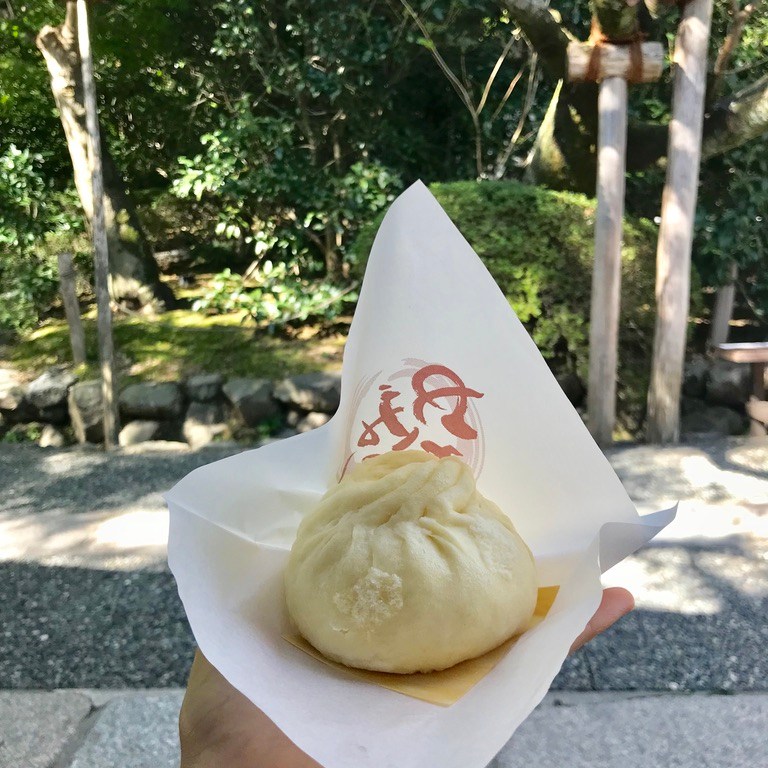
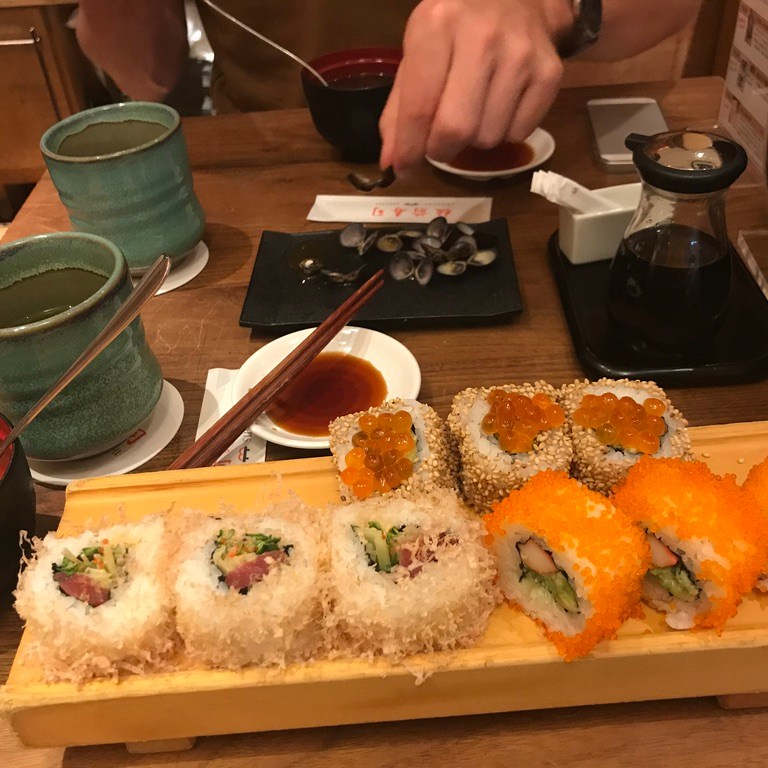
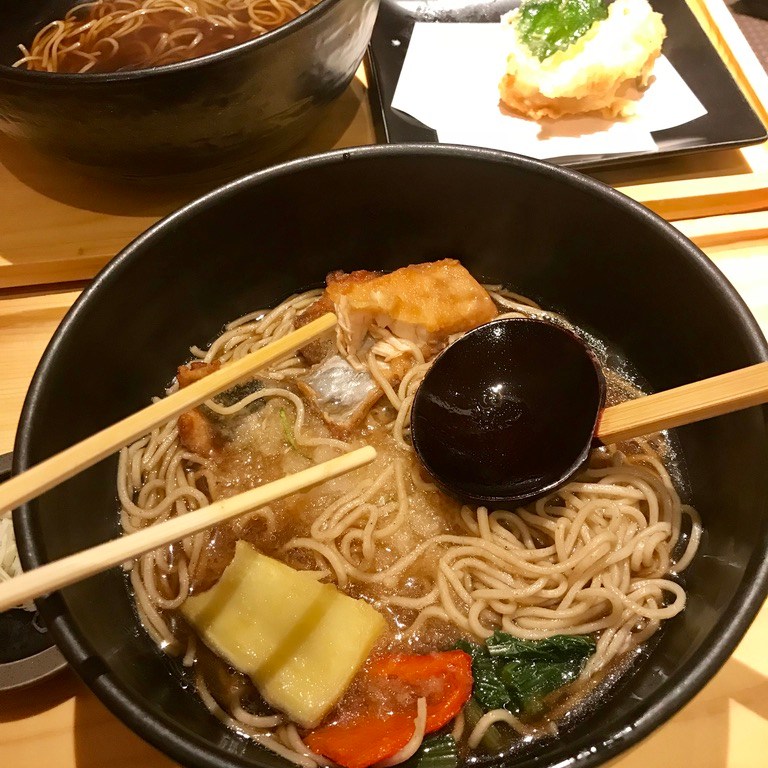
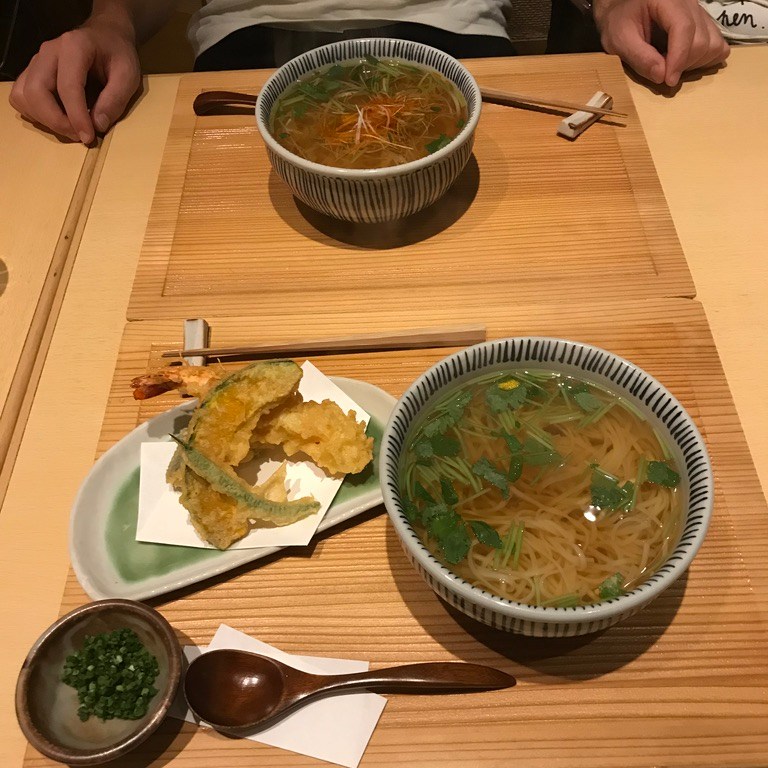
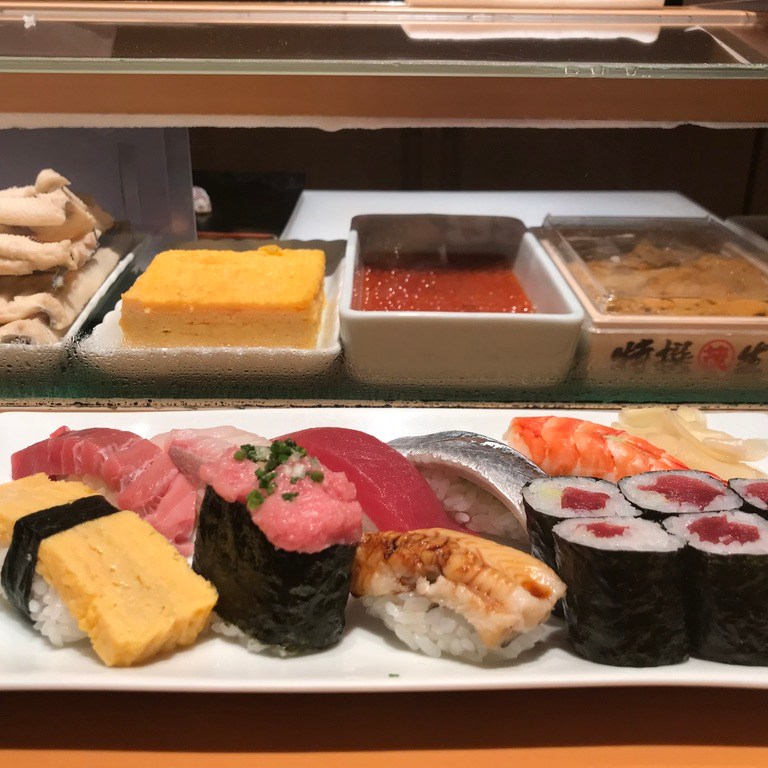
We had incredible sushis and maki in traditional Japanese restaurants or directly from fish markets. We also loved ramen noodle soups, they were the best ones we ever had! We tried many more freshly cooked local food, but unfortunately don’t have pictures of all of them, nor the names.
We hope you will also enjoy the wonderful flavours of Japanese cuisine.